When Reality Becomes Interpretation: The Hermeneutic Turn in Human Understanding
From religion and art to psychology and science, our understanding of reality is inseparable from the ways we interpret meaning, symbols…
This current writing or discussion might have been categorized as a 'star attraction' a few years ago, as the topic has become increasingly prominent day by day, especially in connection with the rise of postmodern thought. We will gradually explore in greater depth why hermeneutics has become so important and popular.

https://opentextbooks.rug.nl/philosophymigration/chapter/hermeneutics/
For now, two reasons are worth mentioning. First, hermeneutics forms part of a new paradigm for understanding reality. Second, it has proven useful in generating new ways of thinking across many different fields of life and scholarship. It has influenced philosophy, sociology, psychology, literary studies, religious studies, and even, more recently, biology and cognitive science.
When we look at all these disciplines from different perspectives, they eventually converge on a common issue: interpretation. At its core, hermeneutics is a profound reflection on what it means to interpret. What exactly is interpretation?
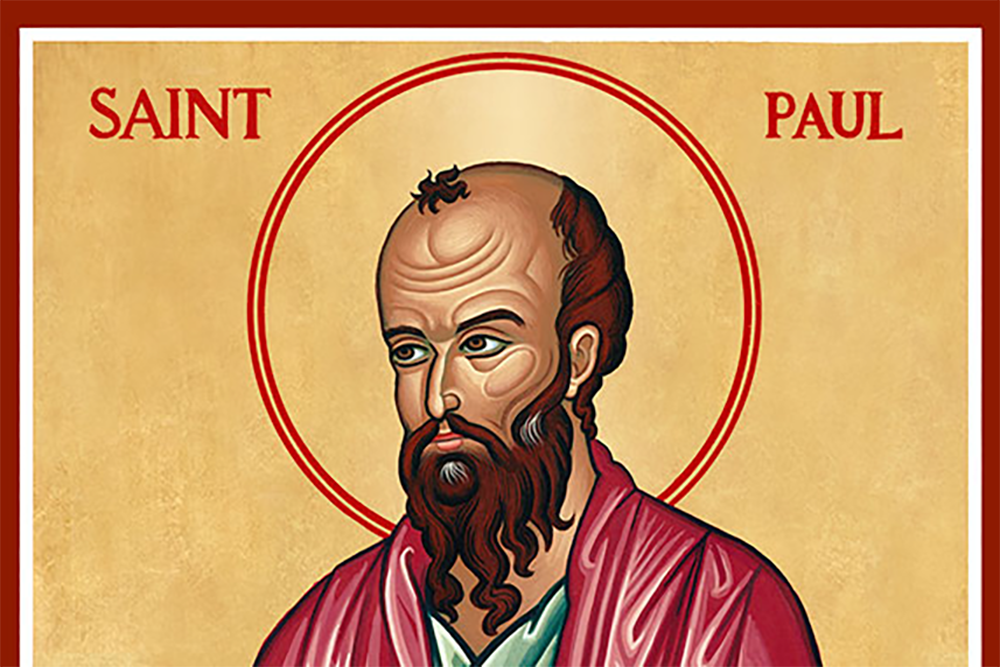
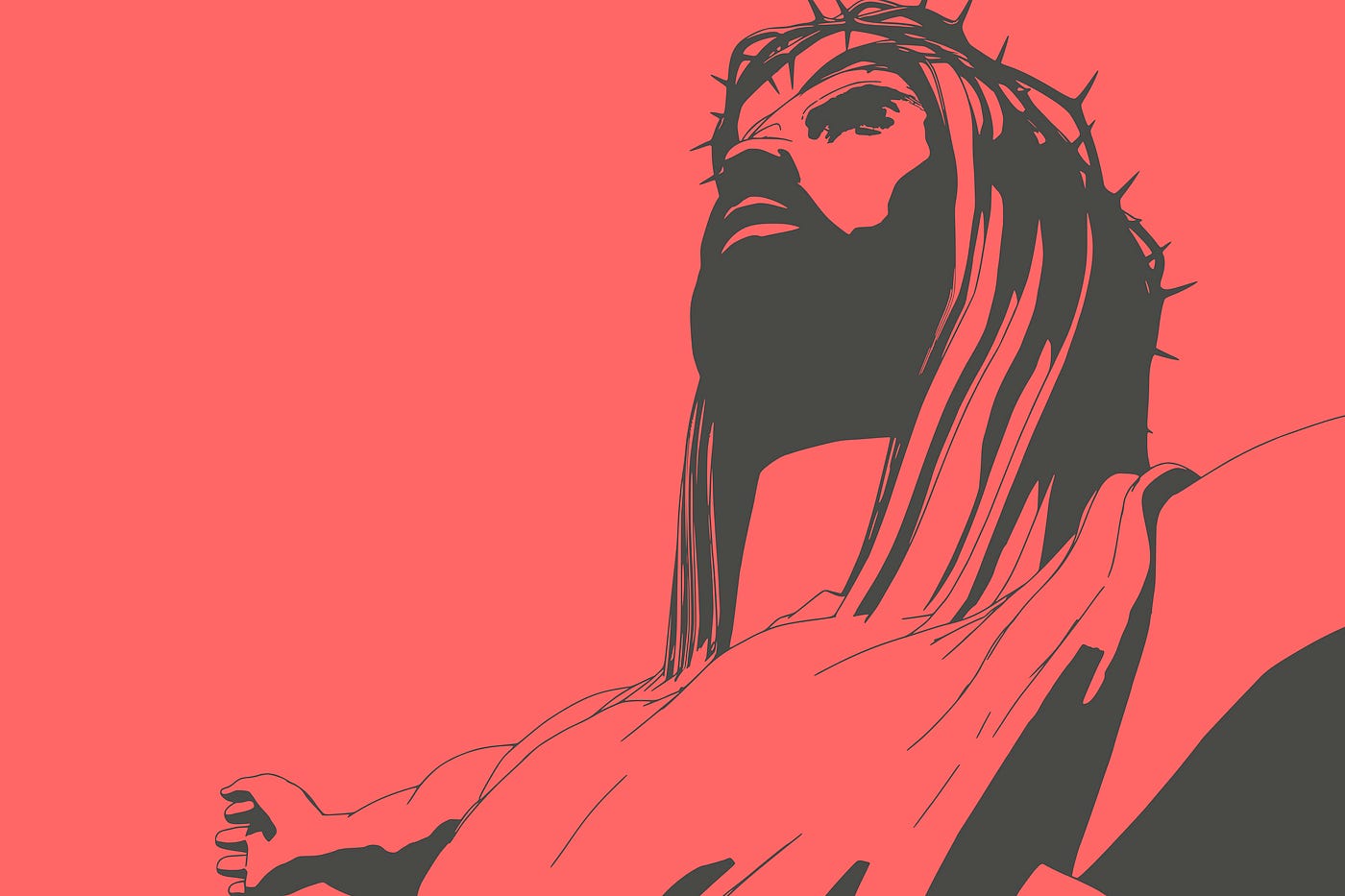
Interpretation is not limited to interpreting sacred texts. We also interpret experiences. Consider a simple event such as narrowly avoiding a traffic accident. On one level, it is merely an ordinary occurrence. Yet someone may interpret it as divine grace: “God saved me.” Over time, we realize that much of religious life is fundamentally a matter of interpretation. Interpretation involves intuition, memory, imagination, and personal meaning.
The same phenomenon appears in art. Modern and contemporary art increasingly focuses on conceptual and symbolic dimensions rather than merely visual forms. Eventually, almost anything can become art if it is framed and interpreted within a certain conceptual context. A pile of stones, a pair of shoes, or an everyday object can be regarded as a significant artwork if the artistic concept behind it is recognized. In contemporary art, meaning often resides not in the physical object itself but in the ideas and interpretations surrounding it.
In sociology, paradigms have also changed over time. Society was once viewed mechanistically, like a machine whose parts interact according to fixed functions. Later, society was understood as an organism capable of self-regulation and adaptation. Today, many sociologists emphasize symbols and meanings. Social life is increasingly understood as a field of symbolic interaction. Political campaigns, social movements, and public institutions succeed largely through the effective mobilization of symbols and meanings. Even designing a political party logo becomes an exercise in shaping public interpretation.
Psychology has undergone similar developments. Various psychological approaches analyze how people interpret symbols and experiences. Human behavior is deeply connected to meaning-making. Love, heartbreak, personal relationships, and life goals all depend on how individuals interpret their experiences. Contemporary approaches such as evolutionary psychology and theories of human development increasingly emphasize the role of values and meaning in psychological growth. Mental health is often linked to one’s orientation toward meaning and purpose.
This is also why concepts such as spiritual intelligence emerged—the capacity to perceive meaning in life. Religion is only one avenue through which such meaning may be expressed.
In literature, attention has shifted from merely analyzing narrative structures and technical elements toward exploring the meanings embedded within texts. Great literature often reshapes our perception of life itself.
Even biology and cognitive science have entered these discussions. Cognitive science investigates how the brain processes information, forming the basis of developments such as computers and artificial intelligence. Yet despite extensive research, the workings of consciousness remain deeply mysterious.
Cells within living organisms communicate, respond to changing conditions, and adapt in remarkably sophisticated ways. Human beings can survive in radically different environments because biological systems continuously interpret and respond to circumstances. This raises intriguing questions about whether forms of interpretation exist even at biological levels.
For a long time, scientific thought was dominated by materialistic and mechanistic assumptions. Human emotions, spirituality, artistic creativity, religious experience, love, sacrifice, and moral ideals were often explained merely as by-products of biochemical and neurological processes. According to this view, consciousness itself was nothing more than an epiphenomenon—a secondary effect of material interactions within the brain.
However, many researchers eventually came to regard such explanations as overly simplistic. Consciousness seemed to possess a significance that could not easily be reduced to physical mechanisms alone. This debate intensified through studies of near-death experiences. Some individuals whose brains appeared temporarily inactive later reported vivid conscious experiences during those periods. Such cases challenged the assumption that consciousness is simply produced by neural activity.
As a result, many scientists and philosophers began reconsidering the nature of consciousness. Intuition, imagination, creativity, and profound insights suddenly became legitimate subjects of inquiry rather than merely irrational leftovers from pre-scientific thinking. Indeed, many major scientific breakthroughs themselves emerged from acts of imagination.
These developments encouraged renewed interest in realities that may not be entirely physical or material. Some thinkers began exploring concepts traditionally associated with metaphysics—the branch of philosophy concerned with questions beyond the immediately observable world. Metaphysics asks questions such as: If everything has a cause, is there a first cause that itself is uncaused? What lies beyond the realm of physical observation?
Historically, hermeneutics began as a method of interpretation, especially for understanding texts from the past. Humans have always had to interpret historical documents, traditions, and inherited meanings. Over time, however, hermeneutics evolved from a practical method into a broader philosophical perspective.
A major turning point occurred in the twentieth century, particularly through thinkers such as Martin Heidegger, who transformed hermeneutics into a philosophy of understanding itself. Interpretation was no longer merely a technique for reading texts; it became a fundamental way of understanding reality.
Traditionally, interpreters often assumed that the best interpretation of a text was the one that recovered the original intention of its author. If we wanted to know what a text truly meant, we should discover what the author originally intended.
Yet problems soon emerged. If Scripture was authored by God, how could we ever know God’s exact original intention? Different interpreters regularly produced different interpretations. More fundamentally, in everyday life people rarely ask the original creator for clarification. We constantly interpret situations, actions, and relationships without direct access to original intentions.
This realization led to profound questions: Is the author’s intention really the only correct interpretation? If not, are all interpretations equally valid? What is truth, then? How do we distinguish between better and worse interpretations?
Hermeneutics became increasingly influential because it challenged traditional assumptions about truth and reality. What does it mean for something to be “true”? Is truth simply correspondence with reality? But then what exactly counts as reality?
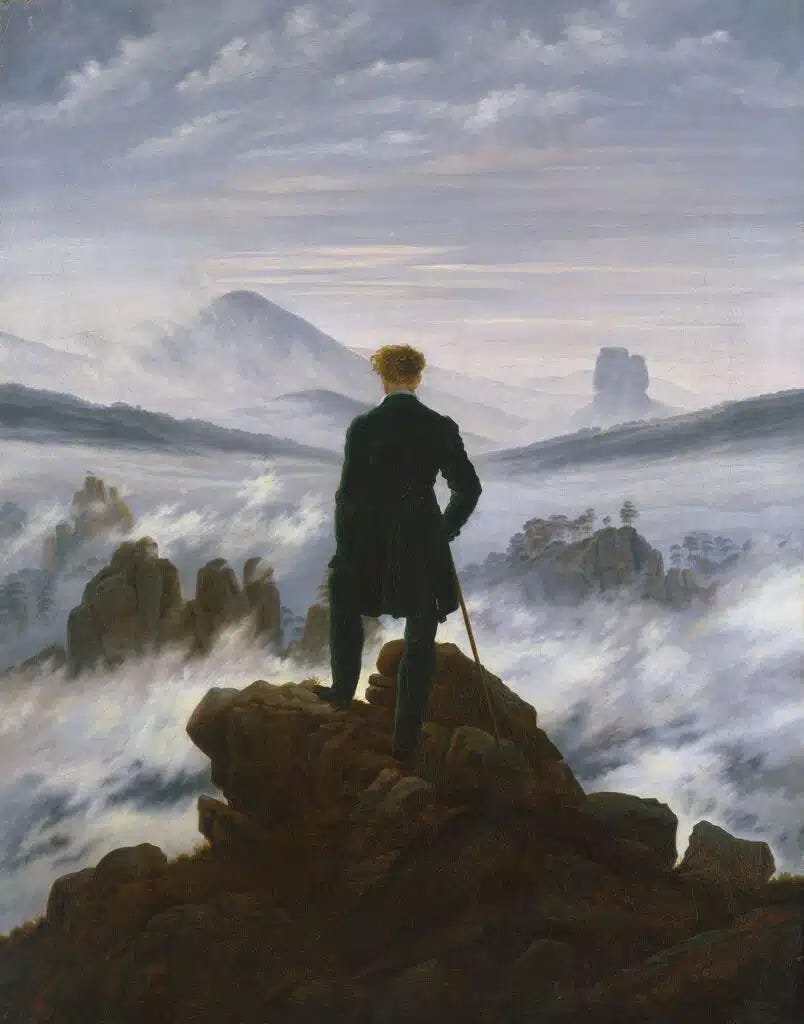
Dreams, hallucinations, imagination, memory, and subjective experiences complicate the matter. A person experiencing a hallucination may perceive something as entirely real. Human beings inhabit worlds shaped by interpretation. Reality, especially human reality, is never encountered in a purely neutral form.
This is one reason why ideas such as relativism became so controversial. As people mature intellectually, they often realize that their own perspective is not the only possible one. A child may believe that their toys, family, or opinions are the best in the world. Growing up involves recognizing that others may possess different perspectives, values, and truths. Intellectual maturity often requires moving beyond the assumption that one’s own viewpoint is absolute.
That recognition—the ability to acknowledge that one’s perspective is limited—is one of the central insights that hermeneutics invites us to consider.
메타데이터
- post_id
- 5a1e025d4d3b
- slug
- when-reality-becomes-interpretation-the-hermeneutic-turn-in-human-understanding-5a1e025d4d3b
- url
- https://medium.com/@shrimpmindparadox/when-reality-becomes-interpretation-the-hermeneutic-turn-in-human-understanding-5a1e025d4d3b
- canonical_url
- https://medium.com/@shrimpmindparadox/when-reality-becomes-interpretation-the-hermeneutic-turn-in-human-understanding-5a1e025d4d3b
- author_url
- https://medium.com/@shrimpmindparadox
- status
- ok
- fetched_at
- 2026-06-09 15:37:30