Are QR Codes Safe? What Users Should Know Before Scanning
QR codes have quickly become part of everyday life. You’ll find them on menus, packages, advertisements, tickets, and payment terminals…
Are QR Codes Safe? What Users Should Know Before Scanning

QR codes have quickly become part of everyday life. You’ll find them on menus, packages, advertisements, tickets, and payment terminals. With just a quick scan, your phone opens a webpage or performs an action instantly.
But many people still wonder:
Is scanning a QR code safe?
In most situations, the answer is yes. QR codes themselves are not dangerous — but understanding how they work helps you avoid the small number of risks that do exist.
What a QR Code Actually Does
A QR code is simply a way of storing information in a scannable format. When your phone reads the code, it converts the pattern into data.
That data might include:
- A website link
- Contact details
- A digital menu
- Wi-Fi credentials
- A payment page
- Event or product information
Importantly, a QR code does not run software or harm your device on its own. It only directs your phone somewhere.
The safety question really comes down to where the code sends you.
Where Problems Can Happen
The main concern with QR codes is similar to clicking unknown links online.
Scammers sometimes create QR codes that lead to:
- Fake login pages
- Fraudulent payment websites
- Pages asking for personal information
- Misleading downloads
Because you can’t immediately see the full link before scanning, people may trust QR codes more easily than normal URLs.
This type of scam is often described as QR phishing.
Simple Ways to Stay Safe When Scanning
You don’t need technical knowledge to protect yourself. A few basic habits make QR code use very safe.
Check the link before opening
Most smartphones display a preview of the destination website. Take a second to confirm:
- The domain name looks correct
- The brand matches the location
- The address begins with HTTPS
If anything looks unusual, close it.
Be careful with public QR stickers
In busy public places, scammers may place their own QR code over an existing one.
Pay extra attention at:
- Parking payment stations
- Public notice boards
- Transit areas
- Outdoor advertisements
A poorly placed or damaged sticker can be a warning sign.
Don’t share sensitive details immediately
After scanning a code, avoid entering passwords or payment information right away. Legitimate services allow you time to verify where you are.
Taking a few seconds to confirm the website greatly reduces risk.
Are QR Codes Used by Businesses Safe?
In general, yes. Businesses widely use QR codes because they simplify customer interactions.
Common legitimate uses include:
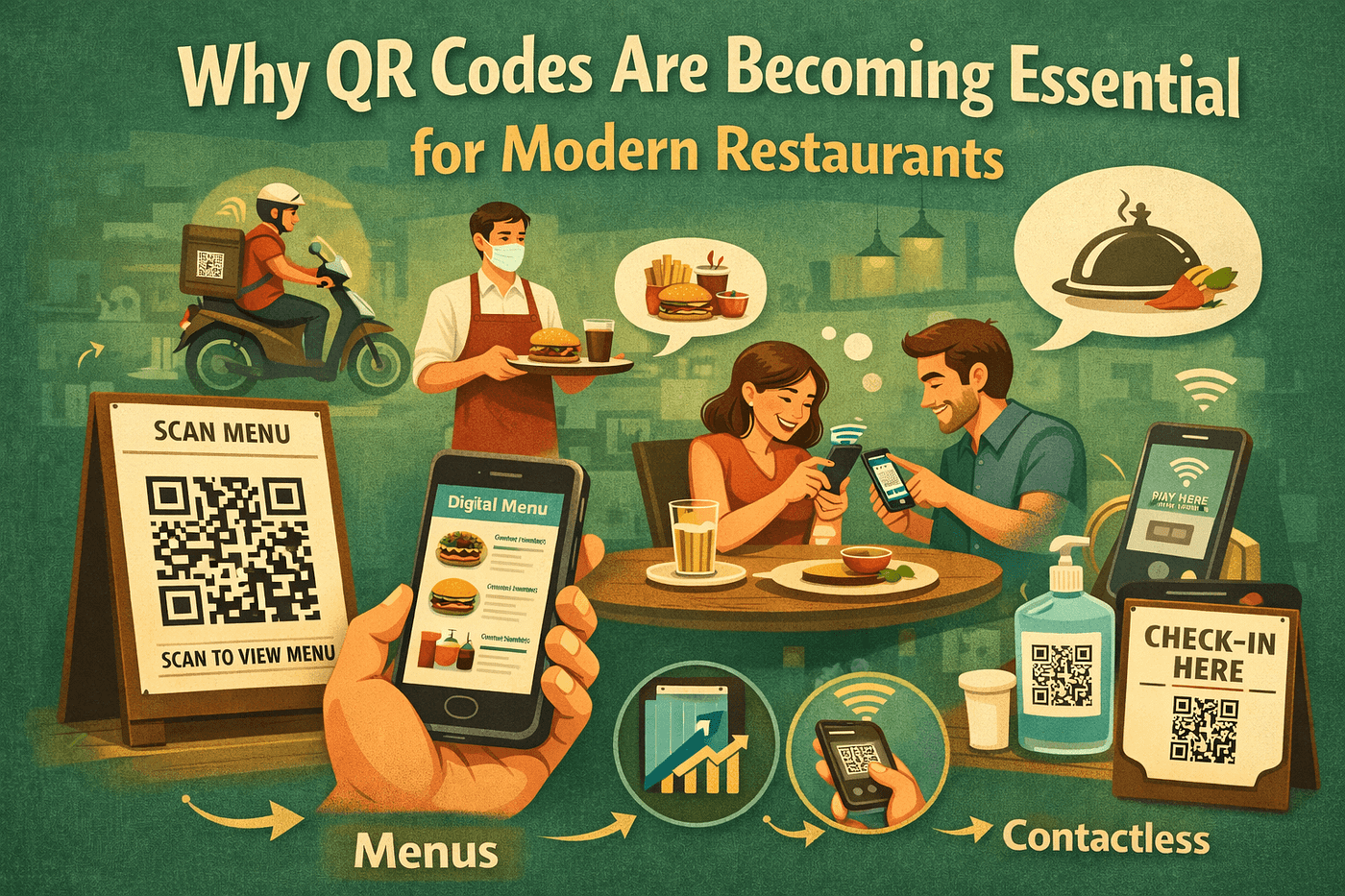
- Restaurant menus
- Product instructions
- Promotions and offers
- Customer feedback pages
- Digital payments
- Event access
When companies create codes through reliable generators such as QRColor, the destination is typically clear and intentionally managed.
For everyday users, most QR codes encountered in normal environments are trustworthy.
Your Phone Already Adds Protection
Modern smartphones include built-in security features that help prevent problems, including:
- Dangerous site warnings
- Secure browsing protection
- Download confirmations
- App permission controls
Even if a suspicious page opens, devices often alert users before anything harmful occurs.
Situations Where You Should Skip Scanning
It’s best not to scan a QR code if:
- The source looks unofficial or random
- Someone pressures you to act quickly
- Payment is requested unexpectedly
- The link preview looks unfamiliar
- The code appears tampered with
Using the same caution you would apply to emails or messages is usually enough.
The Truth About QR Code Safety
One of the biggest myths is that scanning a QR code can instantly infect a phone.
In reality:
- A scan alone cannot install malware
- Downloads require approval
- Users must interact with a page before anything happens
QR codes are simply shortcuts — not security threats by themselves.
Final Thoughts
QR codes are designed to make accessing information faster and easier, and for the vast majority of users, they are perfectly safe to use.
The best approach is straightforward:
Scan normally, verify the destination, and interact only with trusted sources.
With basic awareness, QR codes remain one of the safest and most convenient tools connecting the physical and digital world.
메타데이터
- post_id
- 5a2d72a1946d
- slug
- are-qr-codes-safe-what-users-should-know-before-scanning-5a2d72a1946d
- url
- https://medium.com/@Aan_Drei/are-qr-codes-safe-what-users-should-know-before-scanning-5a2d72a1946d
- canonical_url
- https://medium.com/@Aan_Drei/are-qr-codes-safe-what-users-should-know-before-scanning-5a2d72a1946d
- author_url
- https://medium.com/@Aan_Drei
- status
- ok
- fetched_at
- 2026-06-16 20:05:23