How Freshers Can Prepare for SWE Interviews (A Practical Roadmap That Actually Works)
A simple, structured guide to help freshers focus on the right topics, avoid common mistakes, and prepare effectively for SWE interviews.
How Freshers Can Prepare for Software Engineering Interviews (A Practical Roadmap That Actually Works)

If you’re a fresher preparing for software engineering interviews, you’ve probably felt this:
There’s too much to study and no clear starting point. Data Structures,Algorithms, Operating Systems, Networking, Databases, OOP, Projects, HR rounds etc. It can feel like you’re expected to know everything — while still figuring out where to even begin. Most freshers don’t fail because they lack intelligence. They fail because they lack structure.
This article is the exact roadmap I wish someone had given me when I started preparing.
My Story
When I first began preparing for software engineering interviews, I made a classic mistake.
I tried to study everything at once. One day I would solve coding problems. The next day I would watch Operating Systems lectures. Then I’d switch to networking. Then databases. It felt like I was working hard — but I wasn’t making real progress. The problem wasn’t effort. It was direction. Everything changed when I realized a simple truth:
For fresher interviews, companies don’t expect you to know everything. They expect you to be strong in core fundamentals.
Once I shifted my focus to mastering the basics instead of chasing every topic, preparation became clearer, faster, and far less stressful.
Technical Explanation: What Freshers Should Actually Focus On
If you’re preparing as a fresher, your preparation should revolve around six pillars.Think of these as your interview foundation.
1️⃣ Data Structures & Algorithms (Your Most Important Skill)
This is the most heavily tested area for freshers.Interviewers aren’t just checking if you can code — they’re evaluating how you think and solve problems. Instead of trying to solve hundreds of random questions, focus on mastering patterns:
- Arrays & Strings
- Hashing
- Two pointers
- Sliding window
- Recursion & Backtracking
- Stacks & Queues
- Linked Lists
- Trees & Graph basics
- Dynamic Programming fundamentals
What matters most:
- Understanding why a solution works
- Explaining your thought process clearly
- Analyzing time and space complexity
Quality of practice matters far more than quantity.
2️⃣ Operating Systems (Conceptual Clarity Matters)
Many freshers ignore OS — but it shows up frequently in interviews. Key topics to focus on:
- Processes vs Threads
- CPU Scheduling
- Context Switching
- Deadlocks (conditions & prevention)
- Memory Management
- Virtual Memory
Interviewers don’t want definitions. They want to see if you understand how systems actually work.
3️⃣ Computer Networks
You don’t need deep networking knowledge as a fresher, but you must understand core concepts. Important topics include:
- OSI vs TCP/IP models
- HTTP vs HTTPS
- DNS
- TCP vs UDP
- How data travels across the internet
- Basic routing concepts
Focus on real-world understanding, not memorization.
4️⃣ Databases
Almost every interview includes database questions. Core topics:
- SQL basics (SELECT, JOIN, GROUP BY)
- Primary keys vs Foreign keys
- Indexing
- Normalization
- ACID properties
- Transactions
You should be able to:
- Write simple SQL queries
- Explain when to use relational vs NoSQL databases
5️⃣ Object-Oriented Programming
This tests your programming maturity. Focus on:
- Encapsulation
- Inheritance
- Polymorphism
- Abstraction
- Interfaces vs Abstract Classes
- Real-world examples of OOP
Interviewers often ask: “Explain OOP using a real-life example.” So understanding matters more than memorizing definitions.
6️⃣ Projects (Your Practical Proof)
Your projects are how you show you can apply knowledge. Interviewers may ask:
- Why did you build this project?
- What challenges did you face?
- How does the system work internally?
- What would you improve?
Even one well-understood project can make a strong impression.
Lessons Learned From My Preparation
Looking back, here are the biggest lessons that helped me the most: Looking back, here are the biggest lessons that helped me the most:
- Fundamentals matter more than advanced topics. Freshers are not expected to know system design or advanced frameworks. Strong basics are enough.
- Consistency beats long study hours. Studying 2–3 hours daily is more effective than occasional 10-hour sessions.
- Understanding > Memorization. Interviewers can easily tell if you’re reciting vs truly understanding.
- Explaining is as important as solving. You must practice speaking your thought process out loud.
- Everyone feels overwhelmed at the start. Feeling lost is normal. It doesn’t mean you’re not capable — it just means you need structure.
Actionable Advice: A Simple Preparation Roadmap
Step 1: Use the 70–20–10 Rule
- 70% problem solving (coding practice)
- 20% concept revision
- 10% reflection and mistake analysis
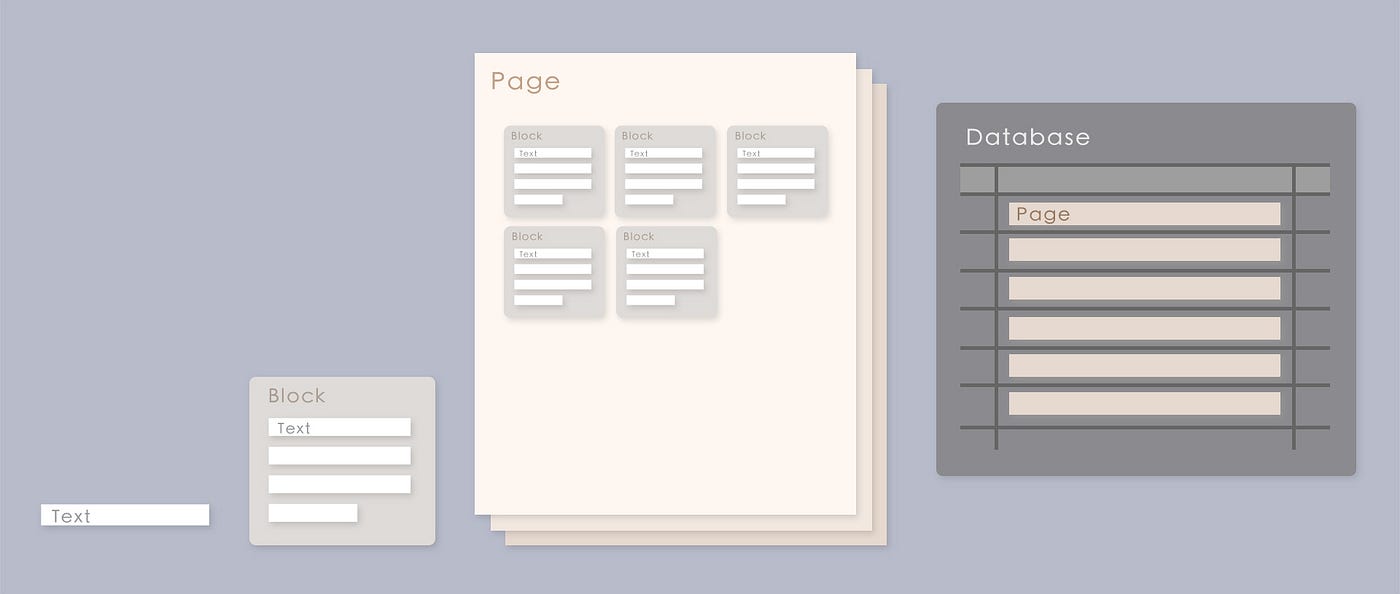
Step 2: Maintain an Interview Notebook
Notion is a good tool for this After every practice session, note:
- Mistakes you made
- Concepts you struggled with
- Questions you couldn’t solve
- Better solutions you learned
This habit dramatically speeds up improvement.
Step 3: Practice Mock Interviews
Many freshers fail not because they don’t know answers — but because they panic. Mock interviews help you:
- Improve communication
- Reduce anxiety
- Think clearly under pressure
How to Leverage AI for Interview Preparation (Without Becoming Dependent on It)
AI can be a powerful accelerator for interview prep — if you use it the right way. Instead of treating AI as a shortcut to get answers, use it as a learning partner. You can ask it to explain complex topics like OS scheduling or database indexing in simpler terms, generate step-by-step hints when you’re stuck on a coding problem, or suggest optimizations after you attempt a solution yourself. One of the most effective ways to use AI is to conduct mock interviews — you can ask it to play the role of an interviewer, give you DSA problems, ask follow-up questions, simulate HR rounds, and even provide feedback on how clearly you explained your approach. The key rule, however, is simple: always try to think first, then use AI to refine your understanding. When used this way, AI doesn’t replace your preparation — it multiplies your learning speed.
Preparing for software engineering interviews as a fresher can feel intimidating. But remember: Every experienced engineer once started exactly where you are today.You don’t need genius-level skills.You don’t need to solve the hardest problems.
You just need:
- Strong fundamentals
- Consistent effort
- Clear thinking
- Confidence in your learning process
Interviews aren’t testing how much you know.They’re testing how you approach problems.And that’s a skill you can absolutely build. If you’re preparing right now, take it one topic at a time.Progress may feel slow in the beginning — but it compounds faster than you expect.And one day, you’ll look back and realize: What once felt overwhelming…has become second nature.
If this helped you, consider sharing it with someone who’s starting their interview journey. You never know who might need this roadmap today.
Because every confident engineer you see today once sat exactly where you are — confused, overwhelmed, and unsure where to begin. What made the difference wasn’t talent or luck, but the courage to start, stay consistent, and keep learning one step at a time.
Your journey may feel slow right now, but one day you’ll look back and realize — this was the phase that built the foundation for everything that followed.
메타데이터
- post_id
- 5a4c5dc6abff
- slug
- how-freshers-can-prepare-for-software-engineering-interviews-a-practical-roadmap-that-actually-work-5a4c5dc6abff
- url
- https://medium.com/@achala.nayak/how-freshers-can-prepare-for-software-engineering-interviews-a-practical-roadmap-that-actually-work-5a4c5dc6abff
- canonical_url
- https://medium.com/@achala.nayak/how-freshers-can-prepare-for-software-engineering-interviews-a-practical-roadmap-that-actually-work-5a4c5dc6abff
- author_url
- https://medium.com/@achala.nayak
- status
- ok
- fetched_at
- 2026-06-13 16:00:06