PON1: The Longevity Enzyme Hidden Inside Your HDL Cholesterol
Why Your “Good Cholesterol” May Not Be Telling the Whole Story
PON1: The Longevity Enzyme Hidden Inside Your HDL Cholesterol
PON1: The Longevity Enzyme Hidden Inside Your HDL Cholesterol
Why Your “Good Cholesterol” May Not Be Telling the Whole Story
For decades, we’ve been taught that HDL is the “good cholesterol.”
The higher your HDL, the better your cardiovascular health. At least, that’s what many of us believed.
Then something interesting happened.
Researchers began noticing that some people with very high HDL levels still developed heart disease, while others with more modest HDL levels remained remarkably healthy. The mystery led scientists to look beyond the cholesterol itself and investigate what HDL was actually doing.
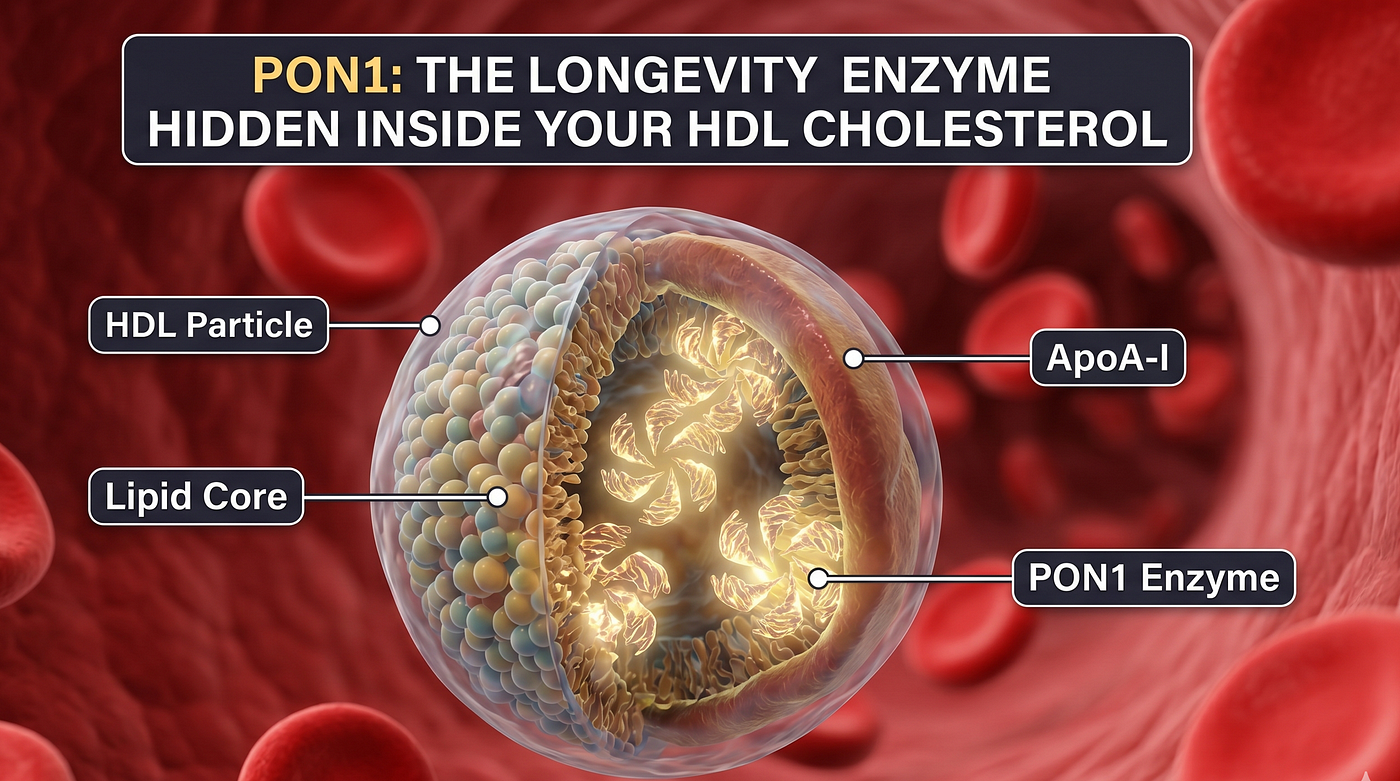
What they discovered was a remarkable enzyme called Paraoxonase 1, or PON1. If HDL is the armored vehicle protecting your arteries, PON1 may be one of its most important bodyguards.
This little-known enzyme helps neutralize oxidative stress, reduce inflammation, detoxify harmful compounds, and protect blood vessels from damage. In many ways, PON1 may tell us more about the quality of HDL than the amount of HDL circulating in the bloodstream.
For those interested in longevity, cardiovascular health, cognitive function, and personalized nutrition, PON1 deserves a place on the radar.
What Is PON1?
PON1 is an enzyme produced primarily by the liver and transported through the bloodstream attached to HDL particles.
Its primary job is protection.
Every day, our bodies are exposed to oxidative stress from metabolism, pollution, inflammation, poor diet, infections, and environmental toxins. Left unchecked, oxidative damage contributes to aging and chronic disease.
PON1 serves as one of the body’s natural defense systems by helping to neutralize oxidized lipids before they can damage blood vessels.
Researchers have found that PON1 can:
- Prevent oxidation of LDL cholesterol
- Improve HDL functionality
- Reduce oxidative stress
- Protect blood vessel walls
- Detoxify certain pesticides and environmental chemicals
- Break down homocysteine thiolactone, a harmful metabolite linked to vascular damage
These actions make PON1 a critical component of healthy aging.
Why Oxidized LDL Is the Real Problem
Many people fear LDL cholesterol.
However, LDL itself is not necessarily harmful.
The real issue begins when LDL becomes oxidized.
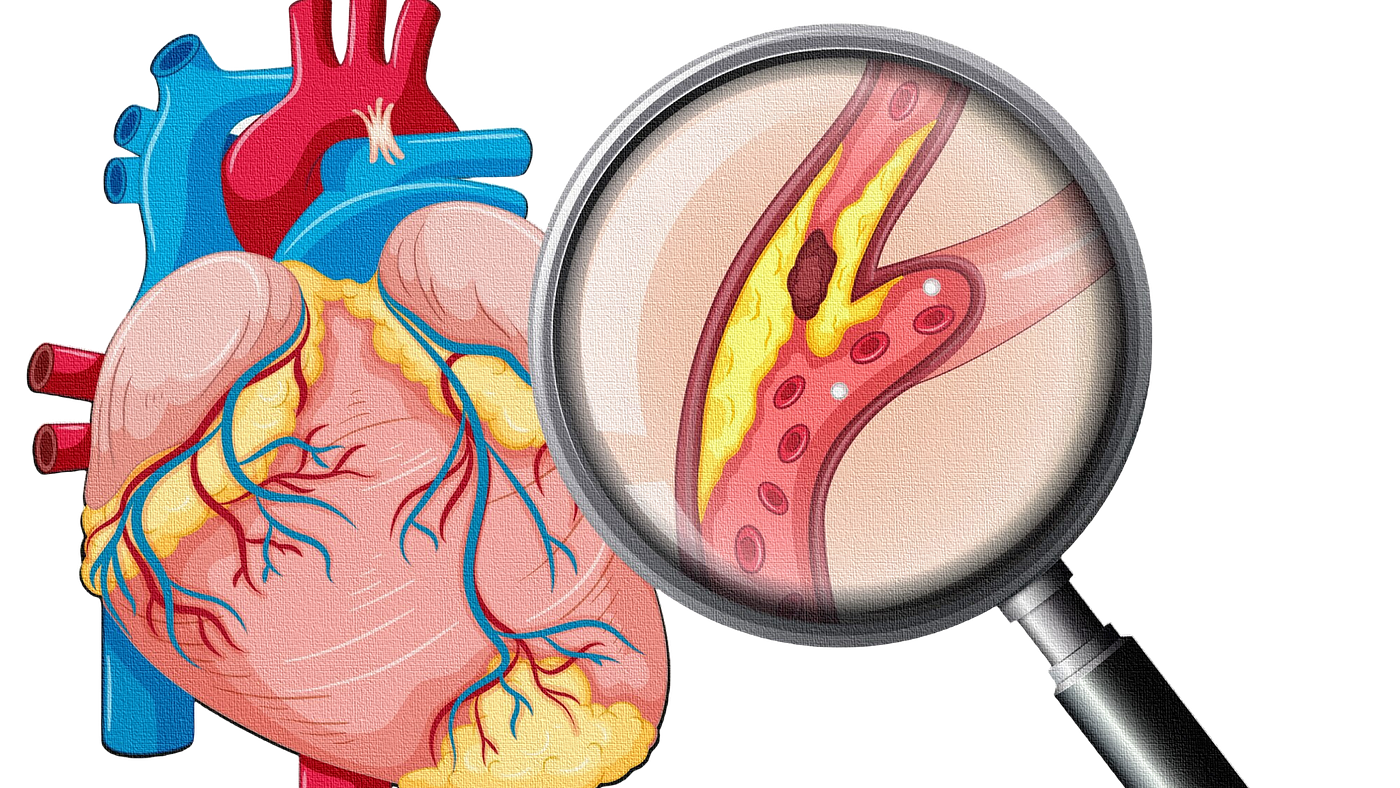
Oxidized LDL is more likely to penetrate artery walls, trigger inflammation, attract immune cells, and contribute to plaque formation.
Think of LDL as a delivery truck.
The truck isn’t dangerous when functioning normally. The problem occurs when the truck catches fire and starts spilling debris throughout the neighborhood.
PON1 helps prevent that fire from starting.
By limiting LDL oxidation, PON1 helps reduce one of the earliest events involved in atherosclerosis.
PON1 and Longevity
One reason longevity researchers are interested in PON1 is its connection to oxidative stress.
Oxidative stress accumulates throughout life and contributes to many age-related diseases.
Reduced PON1 activity has been associated with:
- Cardiovascular disease
- Metabolic syndrome
- Type 2 diabetes
- Alzheimer’s disease
- Neurodegenerative disorders
- Chronic inflammatory conditions
Scientists increasingly view PON1 as an important biomarker of biological resilience.
Rather than measuring how much HDL you have, PON1 helps reveal how effectively your HDL is performing its protective functions.
Your Genes Influence PON1
As a DNA coach, one of the most fascinating aspects of PON1 is the genetic variation between individuals.
Two people eating the same foods and following the same lifestyle may have very different PON1 activity due to inherited genetic differences.
Several polymorphisms in the PON1 gene influence how much enzyme is produced and how effectively it functions.
rs662 (Q192R)
This is the most studied PON1 variant.
The rs662 SNP results in either a glutamine (Q) or arginine (R) at position 192 of the enzyme.
Genotypes
- AA (QQ) = Generally considered the most favorable genotype for cardiovascular protection and prevention of LDL oxidation.
- AG (QR) = Intermediate activity.
- GG (RR) = Often considered less favorable for cardiovascular protection, although it may be more efficient at detoxifying certain organophosphate pesticides.
For longevity and heart health, the GG (RR) genotype is often viewed as the higher-risk variant because it appears less effective at preventing oxidative modification of LDL cholesterol.
rs854560 (L55M)
This variant affects how much PON1 enzyme is produced.
The SNP results in either leucine (L) or methionine (M) at position 55.
Genotypes
- TT (LL) = Generally associated with higher circulating PON1 levels.
- TA (LM) = Intermediate activity.
- AA (MM) = Often associated with lower PON1 concentrations and lower antioxidant protection.
The AA (MM) genotype is typically considered the least favorable for cardiovascular health because lower enzyme levels may reduce HDL’s protective effects.
rs705379 (C-108T)
This promoter-region SNP affects how strongly the PON1 gene is expressed.
Genotypes
- CC = Highest PON1 expression.
- CT = Intermediate expression.
- TT = Lowest PON1 expression.
Individuals with the TT genotype often exhibit significantly lower circulating PON1 activity and may experience increased susceptibility to oxidative stress.
The Higher-Risk PON1 Profile
For individuals focused on cardiovascular health and longevity, the following combination is often considered less favorable:
- rs662 GG (RR)
- rs854560 AA (MM)
- rs705379 TT
This combination may contribute to:
- Reduced antioxidant protection
- Increased LDL oxidation
- Greater inflammation
- Lower HDL functionality
- Increased susceptibility to environmental toxins
Quick Reference Guide
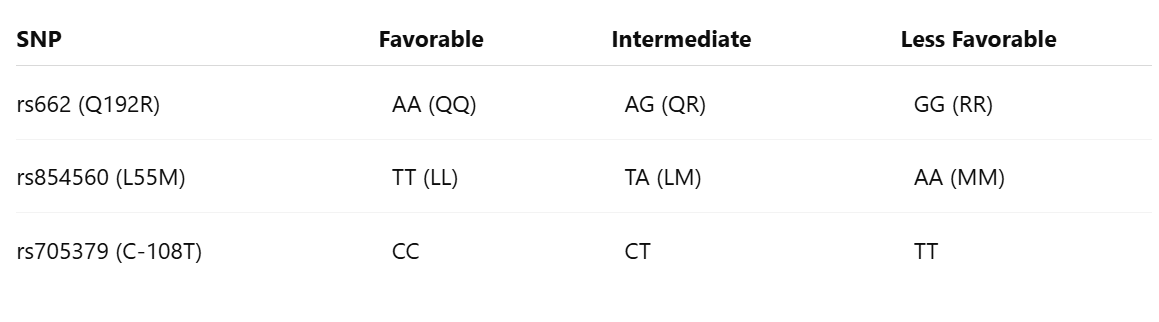
Single nucleotide polymorphisms and their effects on cardiovascular health.
Fortunately, genetics are not destiny.
Research consistently shows that lifestyle factors such as exercise, Mediterranean-style eating patterns, olive oil consumption, pomegranate intake, insulin sensitivity, and smoking avoidance can substantially influence PON1 activity regardless of genotype.
This is one of the reasons PON1 is such an exciting target for personalized nutrition and lifestyle medicine.
PON1 and Homocysteine
PON1 performs another important task that rarely receives attention.
It helps detoxify homocysteine thiolactone.
This compound is formed during homocysteine metabolism and can damage proteins, blood vessels, and tissues if allowed to accumulate.
This is particularly relevant for individuals with:
- Elevated homocysteine
- MTHFR polymorphisms
- Low folate status
- Vitamin B12 deficiencies
When homocysteine metabolism becomes less efficient, PON1 helps limit collateral damage.
What Lowers PON1 Activity?
Modern life presents several challenges to optimal PON1 function.
Research suggests that PON1 activity may be reduced by:
- Smoking
- Obesity
- Insulin resistance
- Chronic inflammation
- Poor blood sugar control
- Highly processed diets
- Environmental toxin exposure
- Excessive alcohol consumption
Many of the same factors that accelerate aging also suppress this important protective enzyme.
How to Naturally Increase PON1 Activity
The good news is that lifestyle interventions appear capable of enhancing PON1 activity.
Extra Virgin Olive Oil
One of the most consistent findings in the scientific literature is the ability of polyphenol-rich olive oil to support PON1 activity.
This may be one reason the Mediterranean diet repeatedly demonstrates cardiovascular benefits.
Pomegranate
Pomegranate contains powerful polyphenols that have been shown to increase PON1 activity while reducing oxidative stress.
Sulforaphane
Found in broccoli sprouts and cruciferous vegetables, sulforaphane activates NRF2, often called the master regulator of antioxidant defense.
Although direct human PON1 studies remain limited, NRF2 activation appears to support many pathways associated with oxidative protection.
As I often recommend, consider cycling concentrated **sulforaphane supplements (use code **poshfitness for a 10% discount) rather than taking them continuously.
Curcumin
The active compound in turmeric may support PON1 through anti-inflammatory and antioxidant mechanisms. If you don’t like or can not tolerate turmeric you can supplement with **curcumin** as well.
Resveratrol
Resveratrol may influence gene expression and support antioxidant defenses that indirectly benefit PON1 activity. The supplemental form of **resveratrol (use code **poshfitness for a 10% discount) can be used but should be taken with olive oil for better absorption and effect.
Omega-3 Fatty Acids
Omega-3 fats from fatty fish and fish oil supplements may improve HDL functionality, reduce inflammation, and support antioxidant defenses that complement PON1 activity. Use a well respected supplement company when taking **fish oil as it is a very delicate oil that can easily become oxidized. I recommend [Nordic](https://amzn.to/4uHHgXC)** since this is mainly what they do.
Exercise
Regular aerobic and resistance training consistently improve HDL functionality and may increase PON1 activity.
Exercise remains one of the most powerful tools for enhancing cardiovascular resilience.
PON1, Longevity Peptides, and Metabolic Health
While direct research on peptides and PON1 remains limited, several longevity interventions may indirectly support PON1 activity.
Improving insulin sensitivity appears particularly important because insulin resistance is associated with reduced PON1 activity.
Potential supportive interventions include:
- Tesamorelin
- Ipamorelin
- **Berberine (use code **poshfitness for a 10% discount)
- **TMG (use code **poshfitness for a 10% discount)
- Metformin
- Weight loss when needed
- Improved body composition
- Enhanced mitochondrial function
These interventions may improve the metabolic environment in which PON1 operates, potentially enhancing its protective effects.
A Practical PON1 Optimization Protocol
If your goal is healthy aging and cardiovascular protection, consider focusing on the following:
- Mediterranean-style eating pattern
- Extra virgin olive oil daily
- Pomegranate or pomegranate extract
- Broccoli sprouts or sulforaphane supplement
- Omega-3 fatty acids
- Resistance training 2 to 4 times weekly
- Regular aerobic exercise
- Homocysteine optimization
- Adequate folate and vitamin B12 intake
- Improved insulin sensitivity
- Reduced exposure to environmental toxins
Notice that none of these interventions target cholesterol directly.
Instead, they improve the body’s ability to manage oxidative stress and inflammation.
The Future of Cardiovascular Medicine
For decades, medicine has focused largely on cholesterol quantity.
The next frontier may involve understanding cholesterol quality.
PON1 represents a shift in thinking.
Instead of asking how much HDL someone has, researchers are increasingly asking how well that HDL functions.
A person with moderate HDL and excellent PON1 activity may be better protected than someone with very high HDL but poor HDL function.
That distinction could reshape how we think about cardiovascular risk, longevity, and personalized health.
Final Thoughts
PON1 may be one of the most underrated enzymes in human biology.
It sits quietly on HDL particles, protecting blood vessels, neutralizing oxidative damage, detoxifying harmful compounds, and supporting healthy aging.
Most people have never heard of it.
Yet its influence extends from cardiovascular health to cognitive function, metabolic resilience, and potentially lifespan itself.
When it comes to longevity, sometimes the most important factors are not the biomarkers we routinely measure, but the invisible systems working behind the scenes to keep us healthy.
PON1 is one of those systems.
And if you have your DNA data, it may be one of the most valuable longevity genes you’ve never checked. If you have your 23andme.com raw data I can analyze the PON1 gene for you free of charge! Just **get in touch**.
NOTE: I do receive a tiny commission when you buy from DoNotAge.org and use my code: poshfitness. However, you also receive a 10% discount.
References
Durrington, P. N., Bashir, B., & Soran, H. (2023). Paraoxonase 1 and atherosclerosis. Frontiers in Cardiovascular Medicine, 10, 1065967.
Jakubowski, H. (2023). Proteomic exploration of paraoxonase 1 function in health and disease. International Journal of Molecular Sciences, 24(9), 7764.
Jakubowski, H. (2024). The molecular bases of anti oxidative and anti inflammatory properties of paraoxonase 1. Antioxidants, 13(11), 1292.
Mackness, B., Mackness, M., & Aviram, M. (2015). Human paraoxonase 1: Gene structure and expression, activities and physiological roles. Gene, 567(1), 12–21.
Shunmoogam, N., Naidoo, P., & Chilton, R. (2018). Paraoxonase (PON) 1: A brief overview on genetics, structure, polymorphisms and clinical relevance. Vascular Health and Risk Management, 14, 137–143.
메타데이터
- post_id
- 5a84b2a80272
- slug
- pon1-the-longevity-enzyme-hidden-inside-your-hdl-cholesterol-5a84b2a80272
- url
- https://medium.com/illumination-scholar/pon1-the-longevity-enzyme-hidden-inside-your-hdl-cholesterol-5a84b2a80272
- canonical_url
- https://medium.com/illumination-scholar/pon1-the-longevity-enzyme-hidden-inside-your-hdl-cholesterol-5a84b2a80272
- author_url
- https://medium.com/@petermarinoscience
- status
- ok
- fetched_at
- 2026-06-21 15:33:18