Why Product Knowledge Is the Key to Business Success
Ambassadors of Service Marketing
Why Product Knowledge Is the Key to Business Success
Ambassadors of Service Marketing
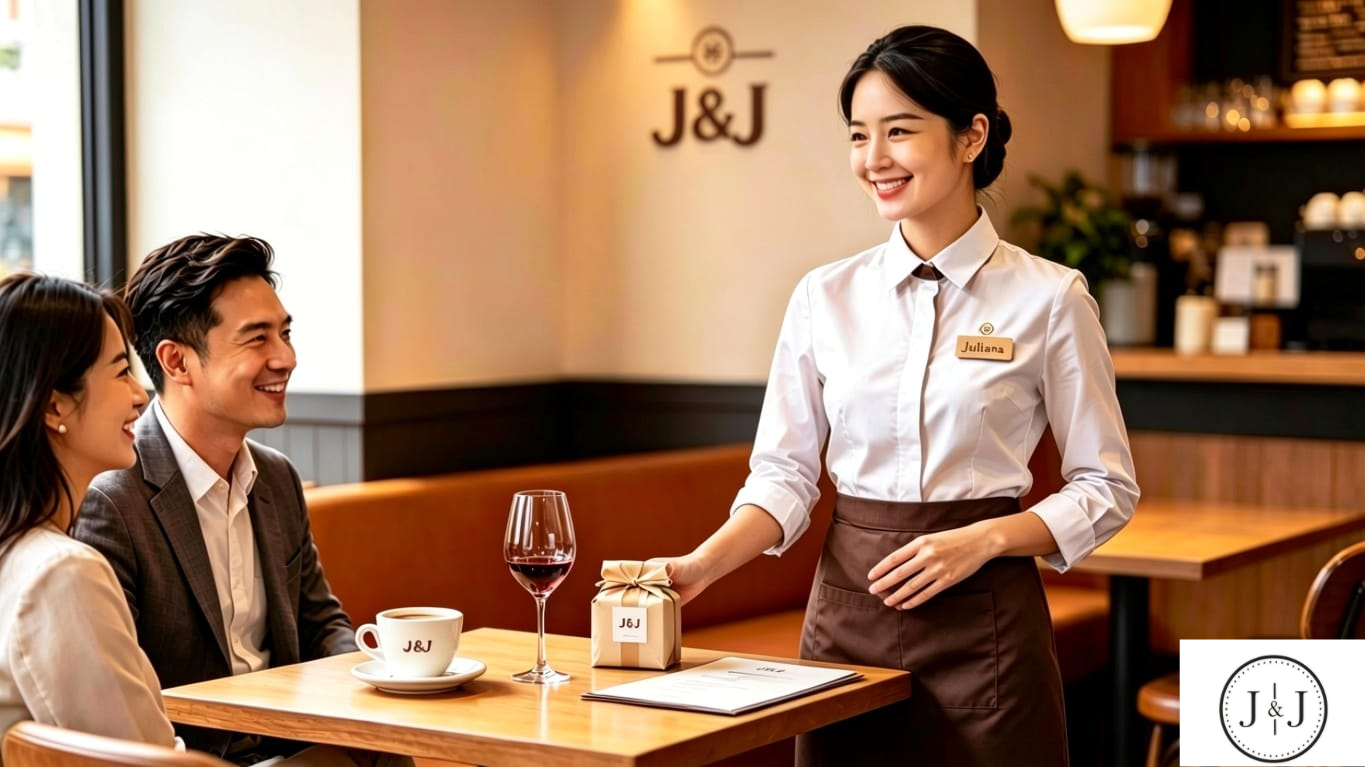
Product knowledge is often treated as a small part of staff training, but in customer-facing industries it can become one of the most powerful tools a business has. When staff understand what they are selling, they do more than answer questions. They build trust, create confidence, and represent the reputation of the business.
During my time working on cruise ships, one of the HR managers said something that stayed with me.
She reminded us that when we wore the company logo on our hats, shirts, and name badges, we were not just wearing a uniform. We were representing the company.
In that moment, every member of staff became an ambassador for the brand.
The CEO was not standing in front of the guest. The marketing department was not there at the table, the bar, the buffet, the reception desk, or the gangway. We were.
Our attitude, product knowledge, body language, and professionalism became the guest’s real experience of the company.
The same HR manager gave us another simple but powerful example. She said that if we invited friends or family into our home, we would not treat them badly. We would welcome them. We would make them feel comfortable. We would offer them something to eat or drink, answer their questions, and try to make sure they enjoyed themselves.
In hospitality, the restaurant, bar, hotel, or ship becomes an extension of that idea. The guests are not just customers passing through. They are people we have invited into our professional home.
That does not mean service has to be fake, forced, or over the top. It means there should be warmth, respect, and care in the way guests are treated.
A warm welcome can turn a first-time visitor into a returning guest. A helpful recommendation can turn a simple order into a better experience. Going slightly above and beyond can make guests feel valued, and when guests feel valued, they are more likely to return, recommend the business, and reward good service.
There is also a practical truth behind this. Guests support the business. In hospitality, they are the reason the restaurant, bar, hotel, or cruise ship exists. Their spending helps pay wages, protect jobs, and keep the business alive. In many service environments, good service can also lead to better tips.
But the real point is bigger than tips. It is about pride in service.
That lesson has stayed with me throughout my career in hospitality, wine service, restaurants, hotels, cruise ships, bars, and customer-facing roles. It also applies far beyond hospitality. Whether someone works in a shop, café, hotel, restaurant, bar, showroom, or service desk, the person facing the customer becomes part of the company’s marketing.
A logo on a uniform creates recognition, but the person wearing it creates the reputation.
Product knowledge is not just about memorising facts. It is about confidence, trust, service, sales, and the way a customer feels about the business after they leave.
A menu, website, brochure, advertisement, or company slogan can all make promises. But the staff member standing in front of the customer is often the person who proves whether those promises are true.
If a customer asks about a wine, beer, whisky, coffee, dish, product, room, service, or package, the answer they receive matters. It can create confidence, or it can create doubt.
A staff member who understands the product can guide the customer. They can make recommendations, explain differences, answer questions, and help the customer make a better choice. This does not need to be pushy selling. In fact, the best selling often does not feel like selling at all. It feels like helpful service.
For example, a customer may ask, “What would you recommend?” A weak answer might be vague, rushed, or uninterested. A stronger answer could be simple but useful: “If you like something lighter and fresh, I would suggest this one. If you prefer something richer, this would be a better choice.”
That kind of answer builds trust.
Trust is powerful in business. When customers feel that staff know what they are talking about, they are more likely to listen, spend, return, and recommend the place to others. When staff do not know the product, or seem uninterested, the opposite can happen.
Customers remember poor service. They remember when someone could not answer a basic question. They remember when they felt dismissed. They may say, “Don’t go there, the staff don’t know anything about what they are selling.”
That is not just a service problem. It is a marketing problem.
Poor product knowledge can damage the reputation of a business just as much as weak advertising, a bad website, or a negative review. In some ways, it can be worse, because it happens face to face in the moment when the customer is ready to buy.
This is why front-line staff should never be seen as “just staff.” They are part of the brand experience. They are part of the sales process. They are part of the customer journey. They are, in many ways, ambassadors of service marketing.
However, product knowledge is not about pretending to know everything.
In real hospitality and retail environments, products change. New beers appear on the bar. Menus are updated. Suppliers change. Seasonal products come and go. Staff are often expected to keep up while also serving guests, handling payments, clearing tables, solving problems, and dealing with the pressure of a busy shift.
No member of staff knows everything.
The real difference is attitude.
There is a big difference between saying, “I don’t know,” and leaving the customer there, and saying, “I’m not completely sure, but I’ll find out for you.”
That second answer can still create trust.
I have seen guests appreciate that effort. Even if a staff member has to check a bottle, look at a label, ask a colleague, search supplier information, or use their phone to confirm something such as an alcohol percentage, the customer often respects the fact that someone has taken the time to help.
Why? Because it shows consideration.
It tells the customer, “Your question matters. I may not have the answer immediately, but I am willing to find it.”
That willingness is part of good service. It is also part of good marketing.
Product knowledge is not perfection. It is preparation, curiosity, honesty, and willingness.
It can also connect with the wider knowledge staff already have.
For example, a guest may ask about a whisky region. A staff member may not be a whisky expert, but they may know something about the geography, history, or culture of that area. A student studying history or Scottish history could still add value to the conversation by sharing a small piece of background about the region.
They may not know every tasting note, cask type, or distillery fact, but they may be able to say something interesting about the Highlands, Speyside, Islay, Edinburgh, or Royal Deeside. Even a simple comment about the landscape, local heritage, or a famous nearby landmark can make the interaction feel more personal.
This is not about pretending to be an expert. It is about using the knowledge you do have to help bring the product to life.
A whisky is not only liquid in a glass. It comes from a place, a culture, a landscape, and a story. When staff understand even a small part of that story, they can make the customer experience richer.
The same idea applies in other industries. A student studying business or marketing may not be passionate about beer, wine, fashion, technology, or beauty products, but they may understand branding, customer behaviour, presentation, and communication. They can still use that knowledge to help represent the business well.
This is why businesses should not simply expect staff to “just know” the products. They should support them. Simple training notes, short product briefings, tasting sessions, staff guides, and clear recommendations can make a big difference. Product knowledge becomes easier when it is made practical, useful, and connected to the real service environment.
A customer notices more than words.
They notice a smile. They notice a frown. They notice tiredness, stress, warmth, confidence, sadness, impatience, and enthusiasm. Before a staff member has even explained a product, their face, tone, and body language may already be shaping the customer’s impression of the business.
Of course, this has to be understood with fairness. Hospitality is physically and emotionally challenging. Staff often work long shifts, late nights, weekends, public holidays, and busy service periods. They may be tired, under pressure, or dealing with things in their personal lives that the guest will never know about.
Many people also work in hospitality for different reasons and at different stages of life. Some are students working part-time while studying at university. For them, hospitality may be a temporary job rather than a long-term career. They may already have enough pressure trying to learn their degree subject, complete assignments, attend lectures, and manage their own future.
It is understandable that they may not have the time, energy, or interest to learn every wine style, beer style, cocktail recipe, whisky region, or product detail to perfection.
However, that does not mean they cannot still contribute to the business.
Even basic product knowledge, combined with a good attitude and a willingness to learn, can still help someone represent the company well.
The emotional side of service also matters.
Sometimes a staff member may be unhappy because of something happening outside work. They may be worried, stressed, exhausted, or distracted. That is human. But from the guest’s point of view, the mood they see can still influence their experience.
This is especially true in places such as airport hotels, restaurants, bars, and tourist destinations. Some guests may be excited to start a holiday. Others may be tired after travelling, nervous before a flight, or simply hoping for a warm welcome. If the first person they meet looks unhappy, uninterested, or disconnected, that mood can affect the guest.
Emotions can be contagious in service.
A warm smile can relax a guest. A helpful answer can create confidence. A friendly tone can change the atmosphere of a room. But the opposite can also happen. A look of unhappiness, frustration, or indifference can spread and change the mood of the interaction before a single product has been recommended.
This does not mean staff must pretend to be happy every second of the day. It means businesses need to understand how important front-line staff are to the emotional experience of the customer. Staff need support, training, encouragement, and realistic expectations. Customers need warmth, care, and confidence.
When those two things meet, service becomes more than a transaction.
It becomes part of the brand.
This idea became especially clear to me through my own experience in the wine industry.
A Personal Example: When Product Knowledge Becomes Real
One of my strongest experiences of product knowledge came through work experience.
During my time on cruise ships, a group of food and beverage crew members, including myself, were sent on a two-week work experience trip to Napa Valley. During that trip, we visited wineries, met winemakers, tasted beautiful wines, and enjoyed lunches and dinners among the vineyards.
What made the experience special was not only the wine itself. It was the hospitality of the winemakers. They welcomed us into their wineries, shared their stories, explained how they built their brands, and spoke with real passion about their wines.
That experience gave me a deeper insight and appreciation for the products I was later selling on board the ship.
When I returned to ship operations, I felt more passionate, more confident, and more enthusiastic. If a guest asked me about a wine such as Ravenswood Zinfandel, I was not simply reading from a tasting note. I could speak with pride because I had visited the winery and learned something of its story.
I could tell the guest about Joel Peterson, the founder of Ravenswood, and the story of how he fought to save his first vintage from hail damage. That kind of story gives a wine more meaning. It turns the product from just another bottle on a list into something with history, struggle, personality, and passion.
Experiences like that make service more natural and more honest.
When a staff member has been welcomed by the people behind a product, tasted it, heard the story, and understood the effort behind it, they are more likely to represent that product with sincerity. I wanted to honour those winemakers and wine brands by presenting their wines to guests with the same respect and enthusiasm that had been shown to me.
Of course, not every staff member will have the chance to visit a vineyard, distillery, brewery, factory, or supplier. But the principle remains the same. The closer staff can get to the story behind a product, the better they can bring it to life for the customer.
Another simple method I have used is “try before you buy.”
When appropriate, allowing a guest to taste a small sample can be a powerful form of service-led marketing. It gives the customer confidence and creates a shared experience between the staff member and the guest.
This can be especially useful when a staff member does not know the product deeply yet. Rather than pretending to be an expert, they can say, “Would you like to try a little first and see what you think?”
That small gesture can make the interaction feel more honest, relaxed, and personal. The guest is not being pushed into a sale. They are being invited to discover the product.
That is what good product knowledge should do. It should not make service stiff or scripted. It should make service more human.
Conclusion
Service marketing in hospitality is a valuable asset to the overall success and reputation of a business.
Proper training, product knowledge, staff tastings, and interactive learning can all enhance the customer experience. When managers, trainers, or specialist staff such as Sommelier’s show enthusiasm and motivation, that energy can spread through the team.
Staff do not need to know everything, but they do need enough knowledge, confidence, and support to help the guest properly. They also need to know where to find the answer when they are unsure.
When a business gives its team the right tools, the staff can walk onto the shop floor, behind the bar, into the restaurant, or onto the hotel floor with more confidence and purpose.
They are no longer just completing tasks.
They are representing the business.
They are ambassadors of service marketing.
For more of my writing on hospitality product knowledge, beverage service, wine, whisky, and practical staff training, please visit my website. There you can find my Beverage Product Knowledge Training Manual along with other books I have written.
메타데이터
- post_id
- 5aa8ae7fd0c9
- slug
- why-product-knowledge-is-the-key-to-business-success-5aa8ae7fd0c9
- url
- https://medium.com/@jasona221b/why-product-knowledge-is-the-key-to-business-success-5aa8ae7fd0c9
- canonical_url
- https://medium.com/@jasona221b/why-product-knowledge-is-the-key-to-business-success-5aa8ae7fd0c9
- author_url
- https://medium.com/@jasona221b
- status
- ok
- fetched_at
- 2026-07-18 02:52:26