The Hidden Cost of Manual Ball Charging: Why Upgrading to a Full Set of Specialized Machines…
A deep dive into optimizing grinding media charging for maximum ROI, safety, and mill performance.
The Hidden Cost of Manual Ball Charging: Why Upgrading to a Full Set of Specialized Machines Transforms Cement Mill Efficiency
A deep dive into optimizing grinding media charging for maximum ROI, safety, and mill performance.
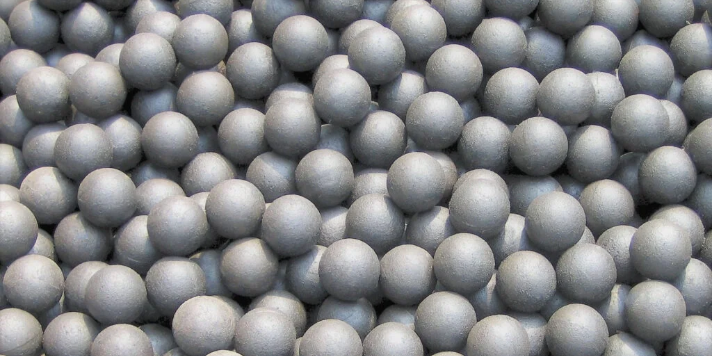
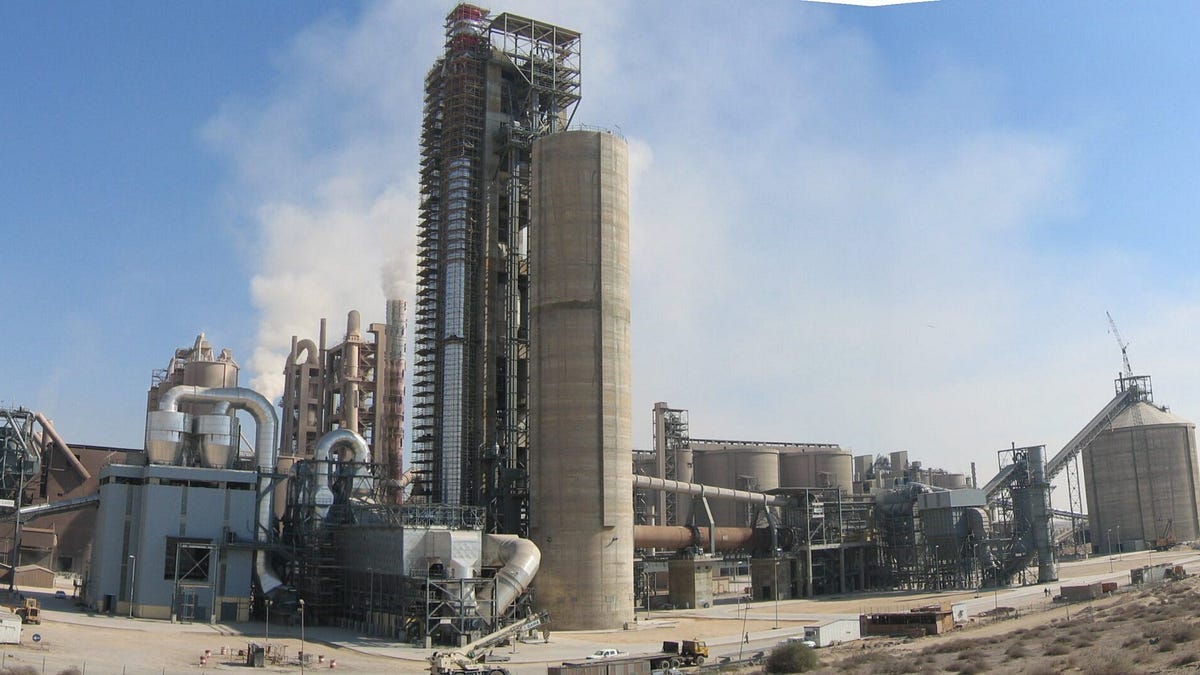
If you spend any time on the floor of a cement plant, you know the deafening, rhythmic roar of a ball mill in operation. It’s the heartbeat of the facility. But beneath that roar lies a silent, compounding inefficiency that bleeds profitability: how fresh grinding media (iron balls) are charged into the mill.
For decades, many plants have relied on manual, ad-hoc, or semi-automated methods to top up or fully recharge their mills. The result? Inconsistent ball size distribution, extended downtime, skewed specific energy consumption (kWh/ton), and unnecessary safety risks.
The industry is shifting. Forward-thinking plant managers and maintenance engineers are moving away from patchwork solutions and investing in a full set of specialized charging machines — such as integrated systems like SAMI or equivalent proprietary automated setups.
Here’s why upgrading your grinding media charging process isn’t just a maintenance upgrade; it’s a strategic operational overhaul.
The Problem with the “Old Way”
Before we look at the solution, we have to acknowledge the friction of traditional media charging. When fresh iron balls are added to a mill using makeshift conveyors, manual labor, or uncalibrated hoppers, three critical problems emerge:
- Skewed Ball Charge Profile: Grinding is a science of impact and attrition. If you dump a mixed bag of fresh balls without precise sizing, you disrupt the optimal ball size distribution. This leads to over-grinding, higher wear rates on mill liners, and increased specific power consumption.
- Unplanned or Extended Downtime: Manual charging is slow. Every hour the mill is stopped for charging is an hour of lost clinker throughput.
- Safety and Environmental Hazards: Handling heavy iron balls manually or with outdated equipment increases the risk of workplace injuries. Furthermore, uncontained charging generates significant silica and iron dust, violating modern ESG and occupational health standards.
The Game Changer: A Full Set of Specialized Charging Machines
Upgrading to a dedicated, full-set charging system (like those engineered by SAMI or similar advanced industrial manufacturers) means replacing fragmented processes with a seamless, closed-loop ecosystem.
A true “full set” of machines typically includes:
- Automated Receiving and Storage Hoppers: For bulk fresh media.
- Precision Weighing and Batching Systems: To ensure the exact tonnage and size ratio is added.
- Enclosed, Heavy-Duty Conveying Systems: To transport media safely to the mill inlet.
- Automated Feeding and Dust Collection Units: To eliminate spillage and airborne particulates.
When these components work in harmony, the charging process transforms from a chaotic bottleneck into a predictable, highly efficient routine.
3 Core Benefits of Automated Media Charging
1. Precision in Ball Size Distribution (The Secret to Optimal Grinding)
A cement ball mill operates best when the grinding media charge is perfectly balanced. A specialized charging system allows you to program exact ratios of different ball diameters (e.g., 90mm, 80mm, 70mm) based on the mill’s current wear profile and the clinker’s grindability (Bond Work Index).
By maintaining this precise profile, you maximize the impact energy on the clinker, reduce the specific energy consumption by 2–5%, and extend the lifespan of your mill liners.
2. Drastic Reduction in Mill Downtime
Time is clinker. Automated charging systems can replenish a mill’s media in a fraction of the time it takes a manual crew. What used to take a 4-hour maintenance window can often be reduced to under an hour. This increased mill availability directly translates to higher annual production volumes without the need for capital-intensive mill expansions.
3. Enhanced Worker Safety and Dust Control
Modern cement plants are under immense pressure to improve safety records and reduce their environmental footprint. A fully enclosed, automated charging set eliminates the need for workers to be in the “line of fire” of heavy, falling iron balls. Integrated dust collectors ensure that the area around the mill inlet remains clean, protecting both worker health and surrounding equipment from abrasive dust ingress.

How to Implement This in Your Plant: A Practical Roadmap
If you’re considering transitioning to a full set of specialized charging machines, here is a step-by-step approach to ensure a smooth ROI:
- Step 1: Audit Your Current Process. Track exactly how many man-hours are spent on media charging, the current variance in your specific power consumption, and any safety near-misses related to media handling.
- Step 2: Analyze Your Wear Data. Work with your metallurgical team to determine the optimal ball charge profile for your specific cement blends (OPC, PPC, Slag, etc.). This data will dictate the batching requirements of your new machine set.
- Step 3: Evaluate Integrated Systems. Look for providers (like SAMI or equivalent specialized OEMs) that offer a complete solution, not just a standalone conveyor. Ensure the system integrates with your existing Plant DCS (Distributed Control System) for automated scheduling.
- Step 4: Calculate the True ROI. Factor in not just the cost of the machinery, but the savings from reduced energy consumption, lower liner wear, increased mill availability, and decreased insurance/liability costs from improved safety.
The Bottom Line
In the highly competitive cement industry, marginal gains compound into massive advantages. Treating grinding media charging as an afterthought is a legacy mindset that costs plants hundreds of thousands of dollars annually in hidden inefficiencies.
Investing in a full set of specialized charging machines is no longer a luxury; it is a baseline requirement for modern, optimized cement production. By bringing precision, speed, and safety to the way we feed the mill, we ensure that every kilowatt of energy and every ton of clinker is utilized to its absolute maximum potential.
Is your plant still relying on manual media charging? It might be time to listen to what the data — and the bottom line — is telling you.
About the Author: This article is written for cement industry professionals, plant managers, and maintenance engineers looking to bridge the gap between traditional operations and modern industrial automation. Follow for more insights on cement plant optimization, grinding technology, and operational excellence.
Tags: #CementIndustry #BallMill #GrindingMedia #PlantOptimization #IndustrialAutomation #MaintenanceEngineering #SAMI #CementProduction
메타데이터
- post_id
- 5aafff0d7d78
- slug
- the-hidden-cost-of-manual-ball-charging-why-upgrading-to-a-full-set-of-specialized-machines-5aafff0d7d78
- url
- https://medium.com/@industrialcommander/the-hidden-cost-of-manual-ball-charging-why-upgrading-to-a-full-set-of-specialized-machines-5aafff0d7d78
- canonical_url
- https://medium.com/@industrialcommander/the-hidden-cost-of-manual-ball-charging-why-upgrading-to-a-full-set-of-specialized-machines-5aafff0d7d78
- author_url
- https://medium.com/@industrialcommander
- status
- ok
- fetched_at
- 2026-08-17 23:29:27