Anyone Can Design When It’s Easy: The Real Skill Shows Up When It All Falls Apart
Constraints, broken briefs, and impossible deadlines aren’t the enemy of good design. They’re the test of it.
Anyone Can Design When It’s Easy: The Real Skill Shows Up When It All Falls Apart
Constraints, broken briefs, and impossible deadlines aren’t the enemy of good design. They’re the test of it.
There’s a design style that looks like the portfolio shots. Generous timelines. A clear brief. A client who trusts you. The perfect typeface is already in mind. In that world, almost anyone can produce something clean and competent.
But that world barely exists. The real one is messier: the requirements change on Thursday, the “quick logo” becomes a three-week saga, the stakeholder hates blue for reasons no one will explain, and the budget shrinks the day you finally cracked the concept.
That’s where the work actually happens. Design is easy when everything goes right, but the true skill is navigating when nothing does.
Constraints Are the Job, Not the Obstacle
Beginners think great design comes from freedom — unlimited time, total creative control, no annoying limits. Experienced designers know the opposite is true. Constraints are where craft is forged.
A limit forces a decision. A tight budget kills the lazy option. An impossible deadline strips away everything that isn’t essential. The designer who can do beautiful work with the constraints — not despite an absence of them — is the one worth hiring. Anyone can fill a blank canvas with infinite resources. The skill is making something sing inside a box someone else built.
When the Brief Falls Apart
Here’s a scenario every working designer knows: you’re halfway through, and the ground shifts.
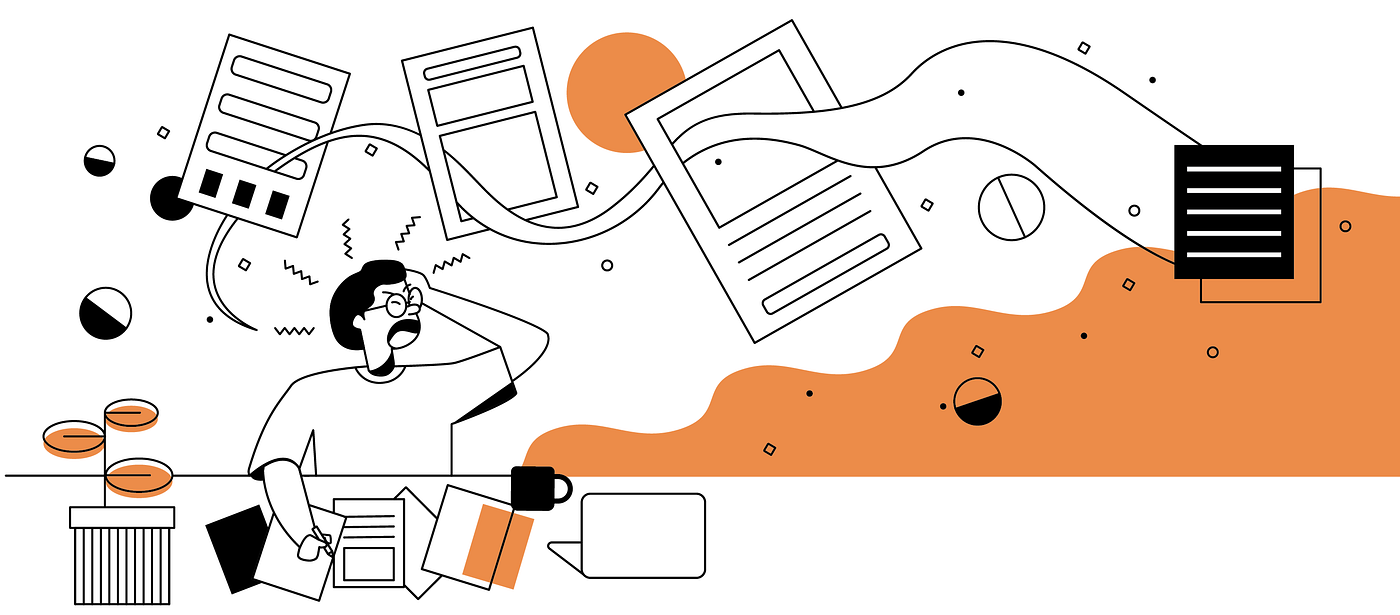
The client changes direction. A new decision-maker appears with different tastes. The thing you were told was locked is suddenly “open for discussion.” The instinct is to panic, or to dig in and defend the old plan.
The skilled move is different. You stay calm, you diagnose what actually changed versus what feels chaotic, and you adapt without losing the idea's spine. Navigating change without abandoning your judgment — that’s not a soft skill. It’s the core skill.
What “Navigating” Actually Looks Like
Handling things going wrong isn’t a personality trait you’re born with. It’s a set of habits you can build:
- Separate the real problem from the noise. When everything feels like it’s collapsing, most of it isn’t. Find the one or two things that genuinely block progress and ignore the rest for now.
- Protect the core idea, flex everything else. Know what’s non-negotiable about the concept and what’s just preference. Defend the spine; trade away the details.
- Communicate before they ask. When a project goes sideways, silence makes clients anxious and anxious clients make worse decisions. Surface the problem early and propose a path forward.
- Treat the wrong turn as data. The version that failed told you something true about what the project isn’t. That’s progress disguised as a setback.
The Calm Is the Craft
Clients rarely remember the project that went smoothly. They remember the one that almost fell apart — and the designer who kept their head while it did. That composure isn’t a bonus on top of your design ability. To the people you work with, your design ability matters.
When you can stay clear-eyed while the brief mutates, the deadline shrinks, and the feedback contradicts itself, you become the person teams want in the room when it matters.
Embrace the Hard Version
So stop waiting for the project where everything goes right. It’s not coming, and if it did, it wouldn’t teach you much.
The messy projects — the ones that fight you — are where you become a real designer. Not because the work is easy, but because you learned to navigate when it wasn’t.
Think back to your hardest project. The skills you’re proudest of probably came from that one — not the one that went smoothly.
I hope you found this article helpful and that you will follow all of the rules and recommendations I provided.
And I would greatly appreciate your opinions and comments.
For more design updates, follow me on YouTube / Instagram and Behance.
Stay Creative!!!
메타데이터
- post_id
- 5afe7d0c04d9
- slug
- anyone-can-design-when-its-easy-the-real-skill-shows-up-when-it-all-falls-apart-5afe7d0c04d9
- url
- https://medium.com/design-bootcamp/anyone-can-design-when-its-easy-the-real-skill-shows-up-when-it-all-falls-apart-5afe7d0c04d9
- canonical_url
- https://medium.com/design-bootcamp/anyone-can-design-when-its-easy-the-real-skill-shows-up-when-it-all-falls-apart-5afe7d0c04d9
- author_url
- https://medium.com/@shivadyahvir
- status
- ok
- fetched_at
- 2026-07-11 14:03:14