Precision PCB Fabrication: Ensuring Quality and Reliability
PCB (Printed Circuit Board) fabrication is the process of designing, manufacturing, and assembling a circuit board that connects and…
Precision PCB Fabrication: Ensuring Quality and Reliability
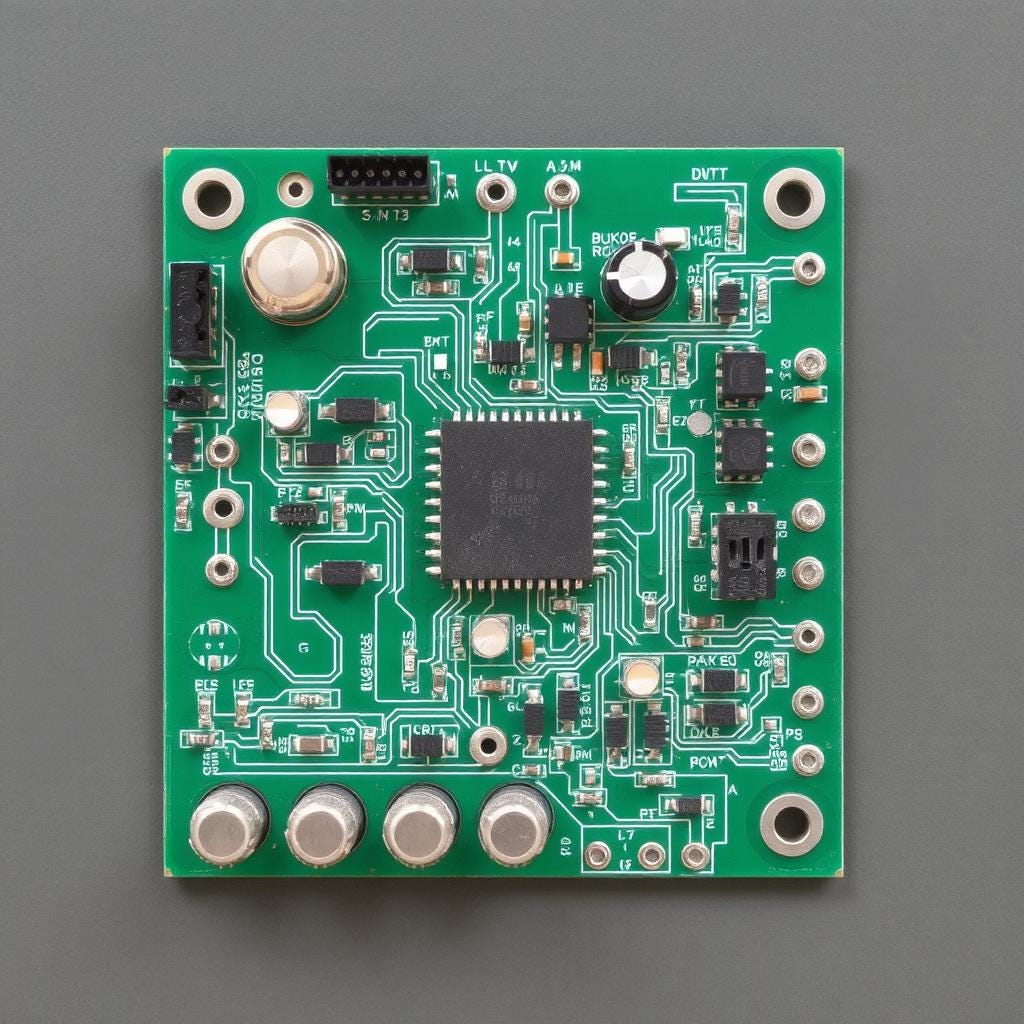
PCB (Printed Circuit Board) fabrication is the process of designing, manufacturing, and assembling a circuit board that connects and supports electronic components. It involves converting a circuit schematic into a physical board, ensuring that it meets the required performance and reliability standards. Foshan Shunde Benze Electronics Technology Co., Ltd. specializes in high-quality PCB fabrication, offering reliable and cost-effective solutions for various industries.
Key Stages of PCB Fabrication
1. Design and Layout
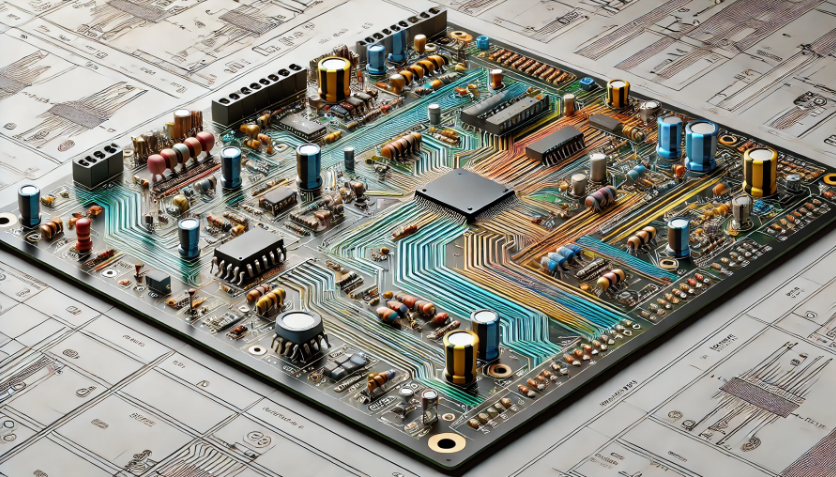
The first step in PCB fabrication is designing the circuit layout using specialized software such as Altium Designer, Eagle, or KiCad. The design involves placing the components and routing the connections between them. Engineers ensure that the design adheres to industry standards and meets the desired electrical and mechanical requirements.
2. Printing the PCB Design
After the design is finalized, the PCB layout is printed onto a photomask using a laser printer. This mask is used to transfer the design onto the copper-clad board, which will serve as the foundation for the circuit.
3. Etching and Layering
The next step is to etch the copper layers to remove unwanted material, leaving behind the desired copper traces. For multi-layer PCBs, additional layers are laminated together, ensuring proper alignment and connection through vias.
4. Drilling and Plating
Holes are drilled into the PCB to allow for component mounting and interlayer connections. These holes are then plated with conductive material to establish electrical continuity.
5. Solder Mask Application
A solder mask is applied to protect the copper traces and prevent solder bridging. The solder mask also enhances the durability of the PCB by shielding it from environmental factors.
6. Silkscreen Printing
Silkscreen printing involves adding labels, component markings, and other information on the PCB surface. This step assists technicians during assembly and maintenance.
7. Surface Finishing
To ensure a reliable connection between the PCB and its components, a surface finish is applied. Common finishes include HASL (Hot Air Solder Leveling), ENIG (Electroless Nickel Immersion Gold), and OSP (Organic Solderability Preservative).
Quality Control and Testing
Foshan Shunde Benze Electronics Technology Co., Ltd. places a strong emphasis on quality control during every stage of PCB fabrication. Rigorous testing, including Automated Optical Inspection (AOI), X-ray inspection, and electrical testing, ensures that the final product meets the required standards.
Applications of PCB Fabrication
PCBs are essential in a wide range of applications, including consumer electronics, medical devices, automotive systems, industrial machinery, and telecommunications. Foshan Shunde Benze Electronics Technology Co., Ltd. caters to diverse industries, providing customized PCB solutions that meet specific client requirements.
Conclusion
PCB fabrication is a critical process that demands precision and expertise to ensure the functionality and durability of electronic devices. Foshan Shunde Benze Electronics Technology Co., Ltd. offers state-of-the-art PCB fabrication services, adhering to strict quality standards and delivering reliable solutions to a global clientele. With a commitment to innovation and excellence, the company continues to play a vital role in the electronics industry.
메타데이터
- post_id
- 5b107fda89b3
- slug
- precision-pcb-fabrication-ensuring-quality-and-reliability-5b107fda89b3
- url
- https://medium.com/@bzpcba/precision-pcb-fabrication-ensuring-quality-and-reliability-5b107fda89b3
- canonical_url
- https://medium.com/@bzpcba/precision-pcb-fabrication-ensuring-quality-and-reliability-5b107fda89b3
- author_url
- https://medium.com/@bzpcba
- status
- ok
- fetched_at
- 2026-08-03 23:41:01