The Necessity of Direct, Authentic Experience
A young musician once spoke to me at length about his mission: he wants to teach people how to experience pure music. Not just to play it…
The Necessity of Direct, Authentic Experience
A young musician once spoke to me at length about his mission: he wants to teach people how to experience pure music. Not just to play it well, not to analyze it, but to enter a state of expanded consciousness in which “music understands itself and speaks through the human being.”
He insisted that the problem with most music schools and traditions is that they always add something extra to the experience — some kind of mannerism or affectation. The founder of a particular school may have played from an authentic inner experience, but his followers often turn that into a fixed style, a mere imprint of the original experience. Over time, that imprint hardens into dogma.
What was once a living encounter with music becomes a set of rules that get passed down to the next generation, long after the original, authentic experience has faded. In many cases, music-making turns into performance of style and self-presentation, rather than a genuine immersion into an expanded state of consciousness. And many students go through years of training without anyone ever telling them that music is, at its core, about plunging into those deeper states of awareness.
He was also deeply skeptical of attempts to “explain” music to people. Music, he claimed, must be felt, not merely understood. Instead of thinking, “Ah yes, this is the motif they mentioned at the beginning of the lecture — I understand now,” we need to surrender to the music and let it move through us.
According to him, we can only truly “understand” music when we experience it deeply and directly. At the same time, he believed that music itself “tells” us how it wants to be played. Any rigid idea of how music “should” be performed is just another old doctrine trying to replace living experience.
At one point, he said something that stayed with me: music and truth are in the same situation. Neither can be owned, codified, or permanently defined — whether in a “correct interpretation” of a piece or in a “correct doctrine” about reality. They can only be encountered again and again in fresh, authentic experiences.
When people try to grasp music — or any truth — only with the intellect, he said, they create nothing more than a copy of the experience in their mind. They construct their own version, claim it as “the truth,” and then keep referring back to this inner copy. They start preaching it to others, teaching it, defending it — but they no longer return to the original living experience. After all, they “already know.”
In this way, a person can create only a rigid, ossified dogma — but cannot truly live either music or truth.
Distilled dogmas
He went further. In his view, both music education and spiritual teachings need to free themselves from mannerisms and “distilled dogmas.” Students should be guided to surrender to a pure, immediate experience that will lead them from within, rather than being asked to follow a teacher as an external authority. The point is not to follow the teacher — but to follow the truth as it reveals itself in direct experience.
He said he had realized that words themselves are just copies of experience. We must not cling to words or their interpretations, but move toward the experience that lies beyond the words.
He also remarked that the greatest “copies of truth” are often our so‑called holy books. It is especially tragic, he said, when people argue endlessly over the meanings of individual words while making little effort to discover the experiences that the authors of those texts originally had.
He felt that people do something very similar with music. One of his friends, he told me, used to compose deeply experiential, original music. But over time, people around him “explained” that nothing would come of it, that he needed to be more “practical.” So he abandoned it. According to the young musician, this was a great loss. When his friend was composing from authentic experience, he was more truly himself. Now, he lives only as a kind of imprint of who he could be.
Joy vs style
He also observed an interesting pattern: in his experience, many amateur musicians play primarily for the joy of it — for the simple, natural pleasure of making music. This, he believes, is also something that only the very best, truly elite musicians rediscover: a deep freedom in experiencing and expressing music.
In contrast, most musicians in the middle try to conform to some “school” or style. In doing so, their authentic experience gets buried under the mannerisms and artificial refinements of that particular tradition. Tragically, many teachers — whether musical or spiritual — label authenticity as “arrogance” or even “impudence.” They pass on dogmas and “imprints of truth” as they were taught, but they do not lead people toward their own deep, transformative experiences.
Listening to him, I was reminded of Stanislav Grof, who repeatedly emphasized that what heals people are powerful experiences and an authentic relationship with the therapist — not any particular school of psychology or psychotherapy.
I also thought of Carl Gustav Jung’s remark that organized religion is a great way to prevent people from having a real encounter with the living God.
Taken together, these perspectives point to the same insight: whether in music, spirituality, or psychotherapy, what truly matters is not the system, the doctrine, or the style — but the living, direct, authentic experience that no system can fully contain.
(please read also my article “Noeticpunk & Shamanicpunk — warning and disclaimer”)

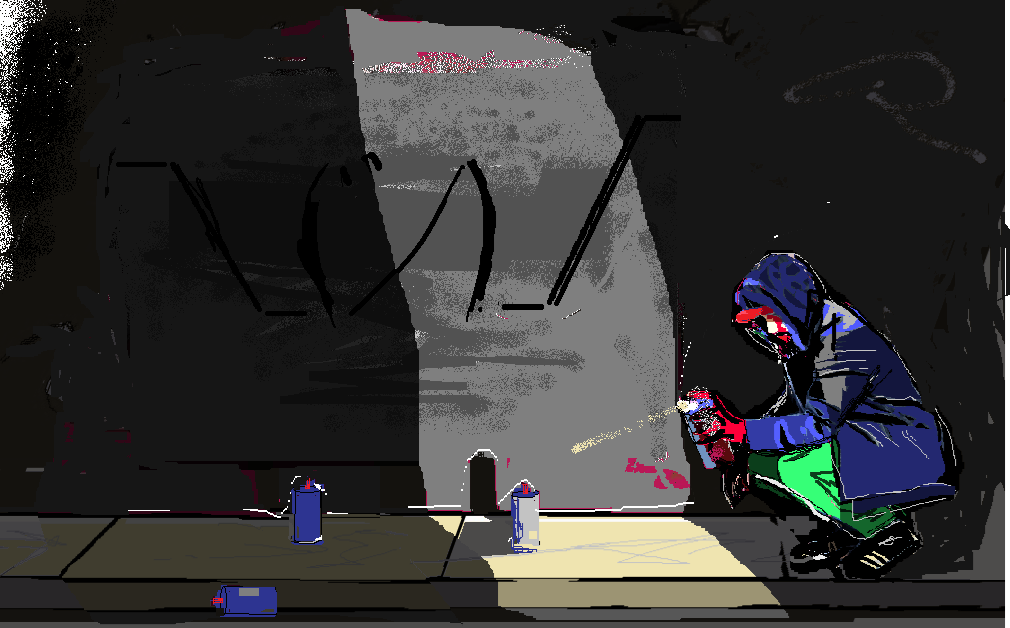
Image created by DeepDreamGenerator
메타데이터
- post_id
- 5b16e22ad5a8
- slug
- the-necessity-of-direct-authentic-experience-5b16e22ad5a8
- url
- https://medium.com/@stanislavcarlterence/the-necessity-of-direct-authentic-experience-5b16e22ad5a8
- canonical_url
- https://medium.com/@stanislavcarlterence/the-necessity-of-direct-authentic-experience-5b16e22ad5a8
- author_url
- https://medium.com/@stanislavcarlterence
- status
- ok
- fetched_at
- 2026-06-11 12:34:08