The Most Valuable Artifacts of the Future Will Be Mnemonic
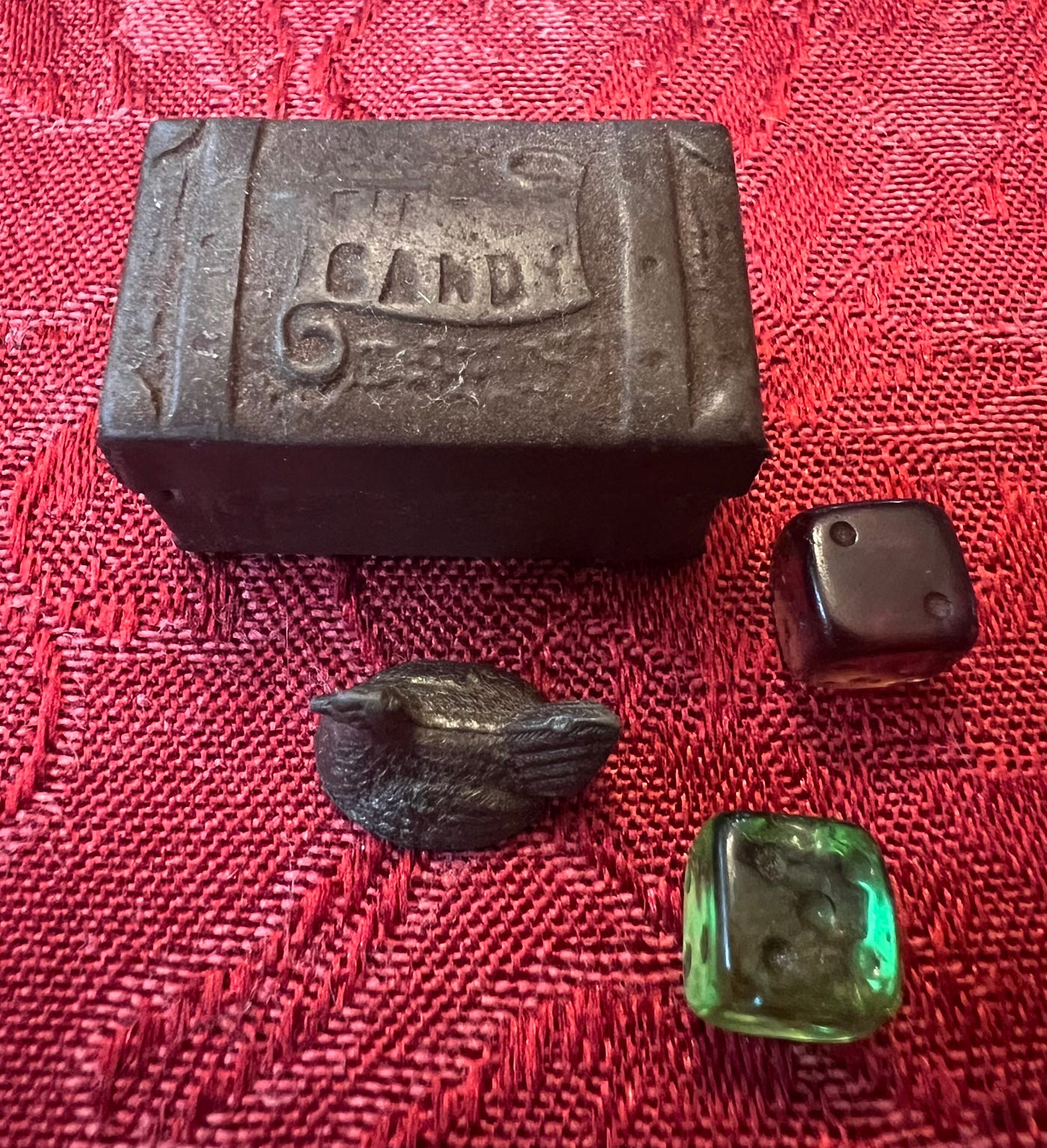
Artifacts connected to memories
The Most Valuable Artifacts of the Future Will Be Mnemonic
Artifacts connected to memories
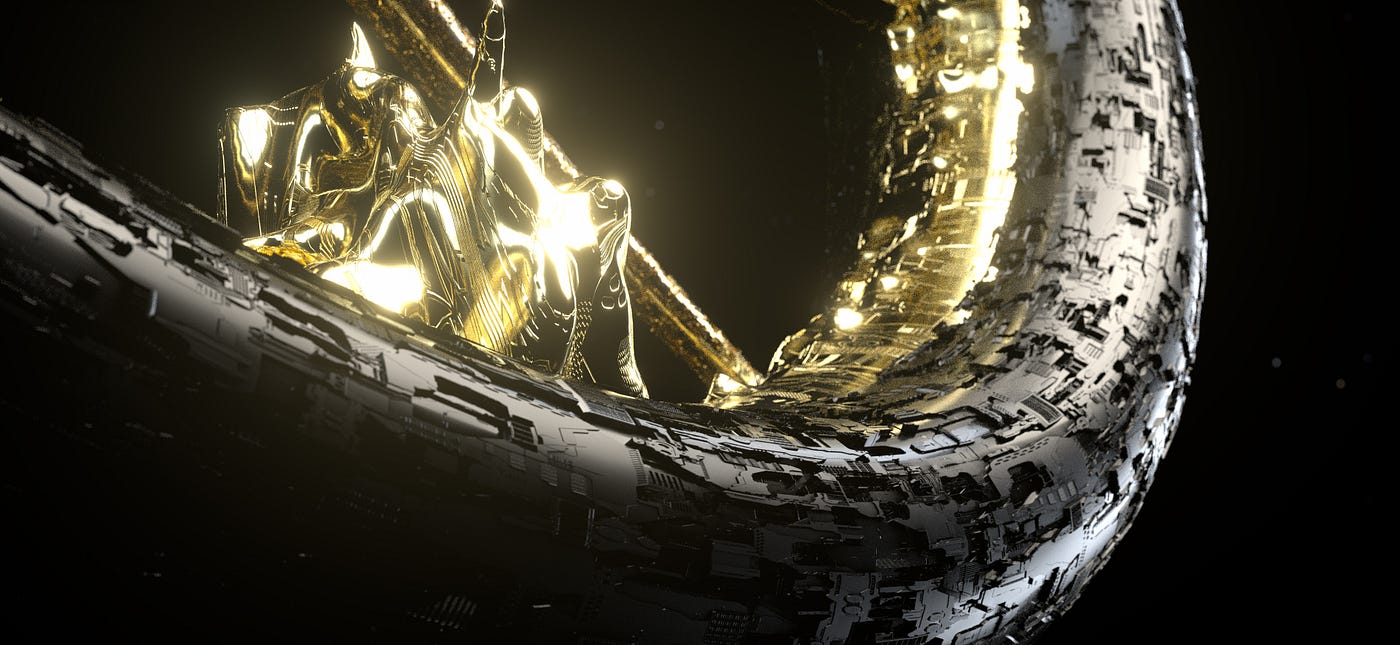
A Giant Leap Mnemonic Data Sculpture by Efe Alpay
Look around your room.
Why do you still own that object?
The watch.
The old photograph.
The small stone you picked up during a trip years ago.
Why that one?
Why not the thousands of other objects that passed through your life?
Something subtle is happening here.
Humans don’t keep objects.
They keep memories disguised as objects.
The Real Reason Objects Become Valuable
A violin is wood and strings.
Until it was played by a master.
A handwritten letter is just paper.
Until it was written during a turning point in history.
A sculpture is just material.
Until it captures a moment.
The value of objects rarely comes from their material.
It comes from their story density.
The more meaning an object contains, the more irreplaceable it becomes.
Collectors understand this instinctively.
They are not collecting objects.
They are collecting condensed moments of human experience.
Humanity Has Always Built Memory Containers
Museums.
Archives.
Libraries.
Monuments.
These institutions exist for one reason:
To protect meaning from disappearing.
Human memory is fragile.
Artifacts stabilize it.
That is why civilizations build objects.
But Something New Is Happening
For most of history, artifacts were symbolic.
A statue represented an event.
A painting depicted a moment.
But today we have something previous generations did not.
Data.
Sound recordings.
Sensor signals.
Digital traces of experience.
Which raises an interesting question:
What happens when memories themselves become raw material?
When Data Becomes Artifact
Imagine a sculpture generated from the sound of a historical moment.
Not a symbolic representation.
But the actual frequency structure of the event translated into form.
The surface geometry shaped by a human voice.
The curves formed by vibration patterns.
The object becomes a physical trace of a moment in time.
This is no longer representation.
It is materialized memory.
The Rise of Memory-Encoded Art
A new category of art is beginning to emerge.
Objects that contain:
- voices
- signals
- events
- collective memory
Instead of depicting history, they store fragments of it.
A sculpture could contain the acoustic signature of a protest.
A monument could contain the frequencies of a speech.
An artifact could contain the moment someone called out for help.
These objects become something new:
Memory archives in physical form.
What Collectors Will Value in the Future
The art market has always followed meaning.
Collectors once valued religious icons.
Then classical paintings.
Then modern art.
Then conceptual art.
The next frontier may be memory-encoded artifacts.
Objects that contain:
- human voices
- historical signals
- personal experiences
- collective events
Artifacts that carry moments forward through time.
The Future Museum
Imagine walking into a museum of the future.
Instead of paintings alone, you see artifacts generated from:
- the sound of the Apollo 11 landing
[embed]
- the crowd at the fall of the Berlin Wall
- the first broadcast over the internet
- the voice of someone calling out during a rescue operation (NFT, Documentary)
[embed]
Each sculpture contains a moment.
Each object is a memory vessel.
Each artifact preserves something humanity refuses to forget.
The Real Question
If objects can carry memory…
If data can become sculpture…
If moments can become artifacts…
Then the real question is this:
Which memories should we preserve for the future?
메타데이터
- post_id
- 5b1f7b2f1082
- slug
- the-most-valuable-artifacts-of-the-future-will-not-be-images-5b1f7b2f1082
- url
- https://medium.com/@efe.alpay/the-most-valuable-artifacts-of-the-future-will-not-be-images-5b1f7b2f1082
- canonical_url
- https://medium.com/@efe.alpay/the-most-valuable-artifacts-of-the-future-will-not-be-images-5b1f7b2f1082
- author_url
- https://medium.com/@efe.alpay
- status
- ok
- fetched_at
- 2026-08-12 07:39:40