Python in Data Science
Beginner-friendly look at Python in data science, key libraries, and my experience building a health chatbot using Python and NLP.
Python in Data Science: Learning to Make Sense of Data
Ever since I started researching data science, my impression of it was just a bunch of difficult math, tons of equations, and spreadsheets that didn’t seem fun at all (hadn’t thought that until I began studying). What I first thought would take years to get my head around was how much easier Python made it for me to understand and enjoy data science.
Simply put, data science’s general purpose is to convert unorganized and sometimes dirty data into something valuable/useful. Without doubt, Python impacts this conversion process because it is very readable, flexible, and has a large library of incredible libraries that do most of the hard work for you.
Why Python Works So Well for Data Science
One of the main reasons Python has developed into the dominant programming language for data scientists is that it is a simple language to learn and use. Its clear, unambiguous syntax lets users focus their time on analyzing their data without needing to worry about how to write complex code.
From a practical standpoint, Python:
- Is easy to understand for beginners and can be learnt quickly
- Provides many libraries and modules created specifically for performing data exploratory analyses
- Is highly used by academics and in industry as well
- Allows for rapid experimentation and testing of new concepts.
This combination of simplicity and power, makes Python an excellent programming language to use when performing data science activities such as data analysis or exploratory data analysis.
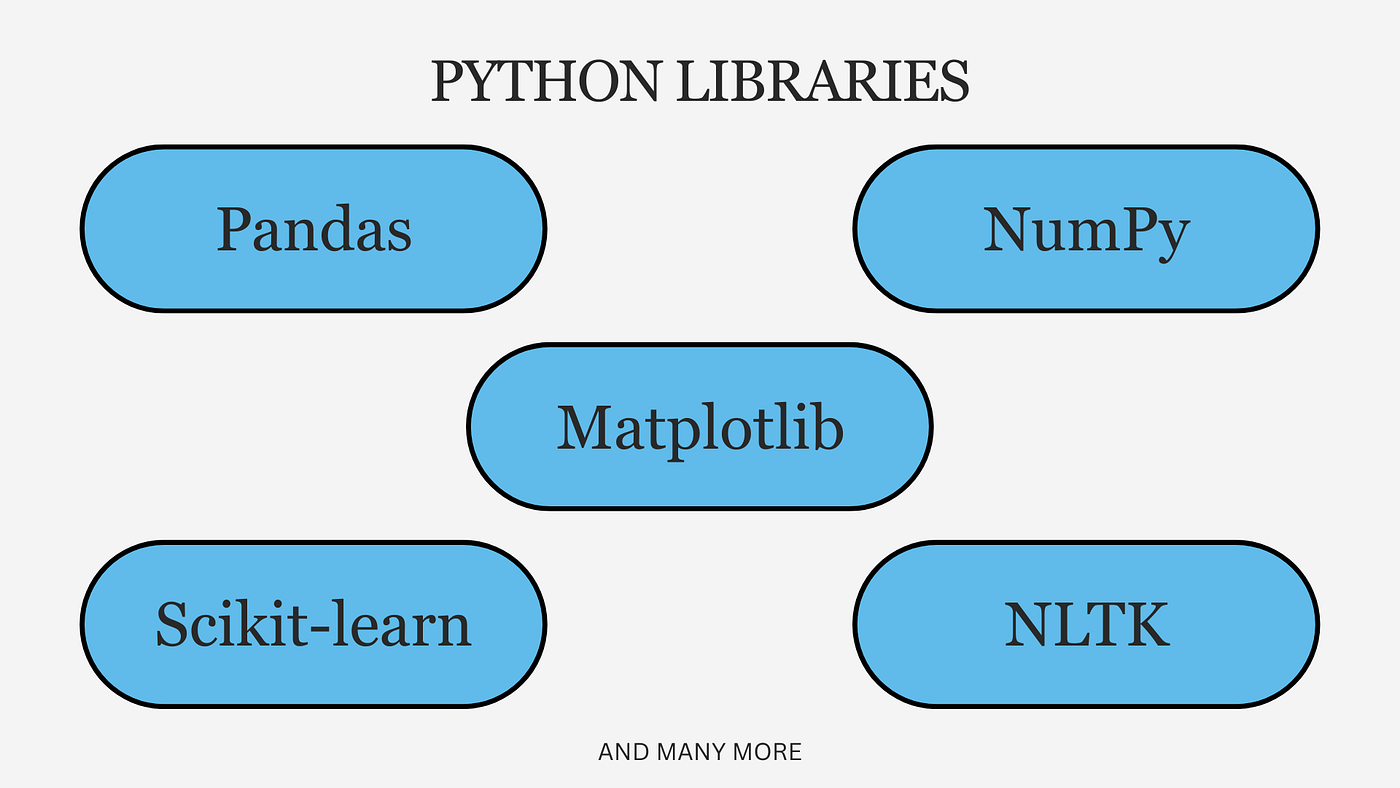
Key Python Libraries Used in Data Science
The power of Python comes primarily from its broad range of libraries to extend the programming language’s capabilities. Some of the most frequently used libraries include:
-Pandas is useful for manipulating structured datasets containing information that has been organized into rows/columns, like CSV or Excel files and simplifies data cleaning, data filtering and data summarizing tasks.
-NumPy provides a number of efficient tools for performing numerical analysis and array manipulation.
-Matplotlib and Seaborn allows users to visualize their datasets by transforming raw numerical data into graphical representations (charts) which are much easier to understand and interpret.
-Scikit-Learn is one of the most widely used libraries for developing machine learning algorithms and supports multiple types of machine learning, including classification, regression and clustering.
All these libraries work together to cover nearly every stage of the data science process.
Python in Practice: A Health Chatbot Project
In my undergraduate program, one of the best things I accomplished, using Python, was to develop a chat bot that provides medical information. The goal of this project was to allow users to ask simple medical questions and get correct answers.
Python was extensively used in the execution of this project in many ways:
-
I utilized Python to pre-process the text data collected from user input so that it was clean in appearance and properly structured.
-
I used natural language processing (NLP) when trying to understand what the user was asking me.
-
I made use of many different libraries including Natural Language Toolkit (NLTK) as my tool of choice to act as tokenizing input by the user and figuring out which word are most important.
-
The chat bot utilized the processed input data to create a formatted output.
Through my experience developing this project, I realized that even though Python is commonly used to manipulate numeric data, it can also be used effectively in analyzing language and facilitating interaction between people/humans, which is becoming a greater component of the world of Data Science.
Why Python Makes Data Science Approachable
One thing that makes Python so attractive to people who are new to coding/data science is that it lowers the barrier for entry into coding and data science. Any beginner can learn how to use Python without having previous experience (in math or programing) at all. There are many libraries, along with great documentation and helpful community members, to help a beginner accomplish tasks that would require much more effort from someone with special knowledge.
The beauty of python is the fact that a beginning data scientist can begin by analyzing a very simple dataset or developing a basic model, and then continue to work on progressively more complex items (i.e., machine learning systems or NLP projects).
Conclusion
The reason why Python is one of the best programming languages for doing Data Science is because it can easily combine the simplicity of writing code to accomplish many tasks; with the ability to perform advanced analyses of received data. This versatility can be seen in all the ways that users can utilize Python tools to manipulate raw data and derive significant insights from the results. The usability and accessibility of Python for beginners and students alike make it easy for people to gain confidence and produce real results with Data Science.
References
메타데이터
- post_id
- 5b3ddb76e388
- slug
- python-in-data-science-5b3ddb76e388
- url
- https://medium.com/@uroojsyeduni/python-in-data-science-5b3ddb76e388
- canonical_url
- https://medium.com/@uroojsyeduni/python-in-data-science-5b3ddb76e388
- author_url
- https://medium.com/@uroojsyeduni
- status
- ok
- fetched_at
- 2026-06-20 20:29:01