What Are End-to-End Camera Design Services?
If you’re making a product with a camera, the camera is never just a sensor on a board. It is the part of the system that is most tightly…
What Are End-to-End Camera Design Services?
Camera Design Services
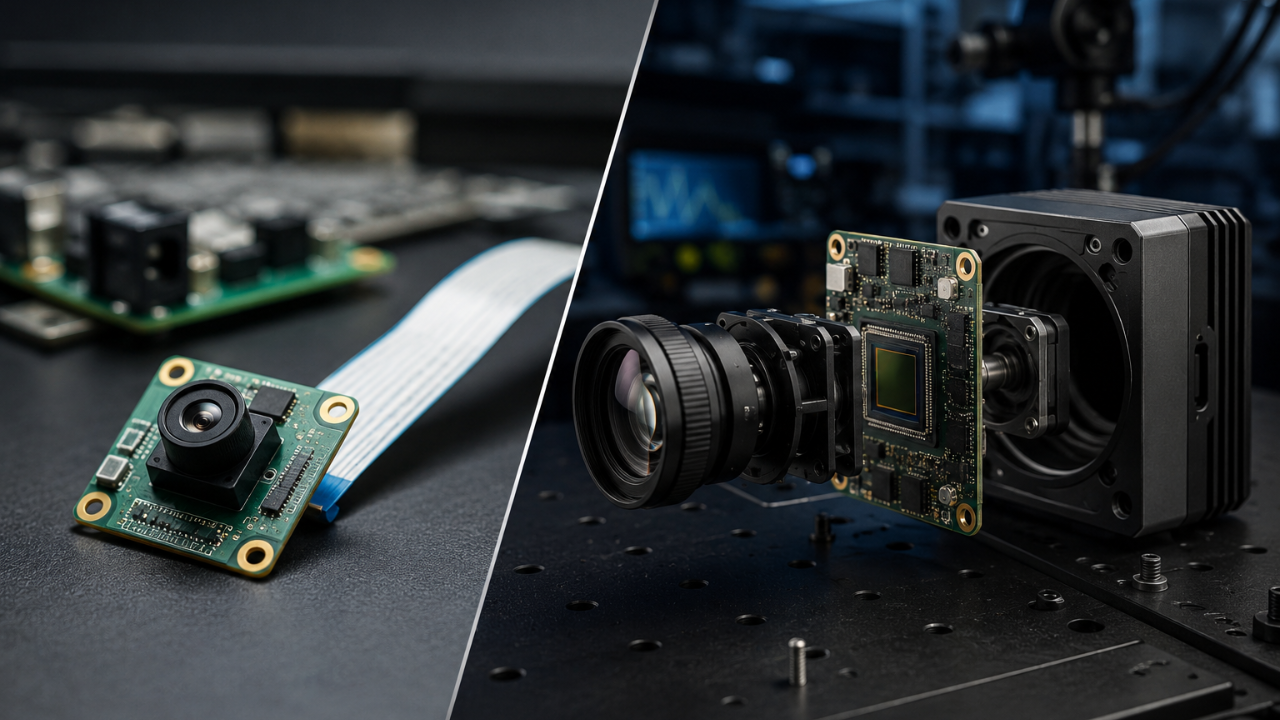
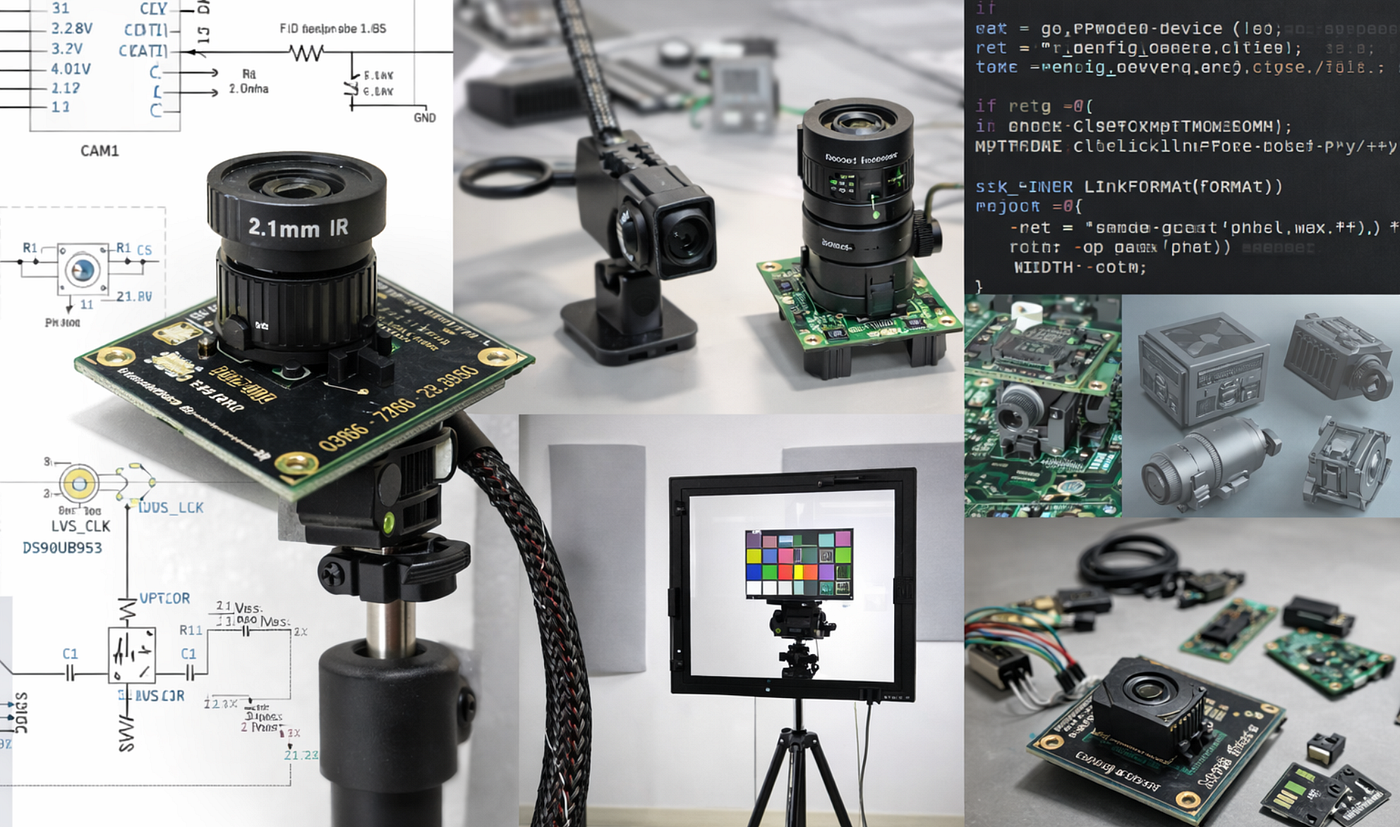
If you’re making a product with a camera, the camera is never just a sensor on a board. It is the part of the system that is most tightly connected. Mechanics have an effect on optics. The sensor is affected by optics. The sensor has an effect on power, thermals, firmware, and computing. The hardware limits change when you change the software. Small choices made early on can quietly decide if the product ships on time or if it turns into a long, expensive recovery project.
That’s where end-to-end camera design service thinking comes in. It doesn’t see camera work as a series of separate tasks; instead, it sees the camera as a system that needs to be designed, tuned, and tested as a whole.
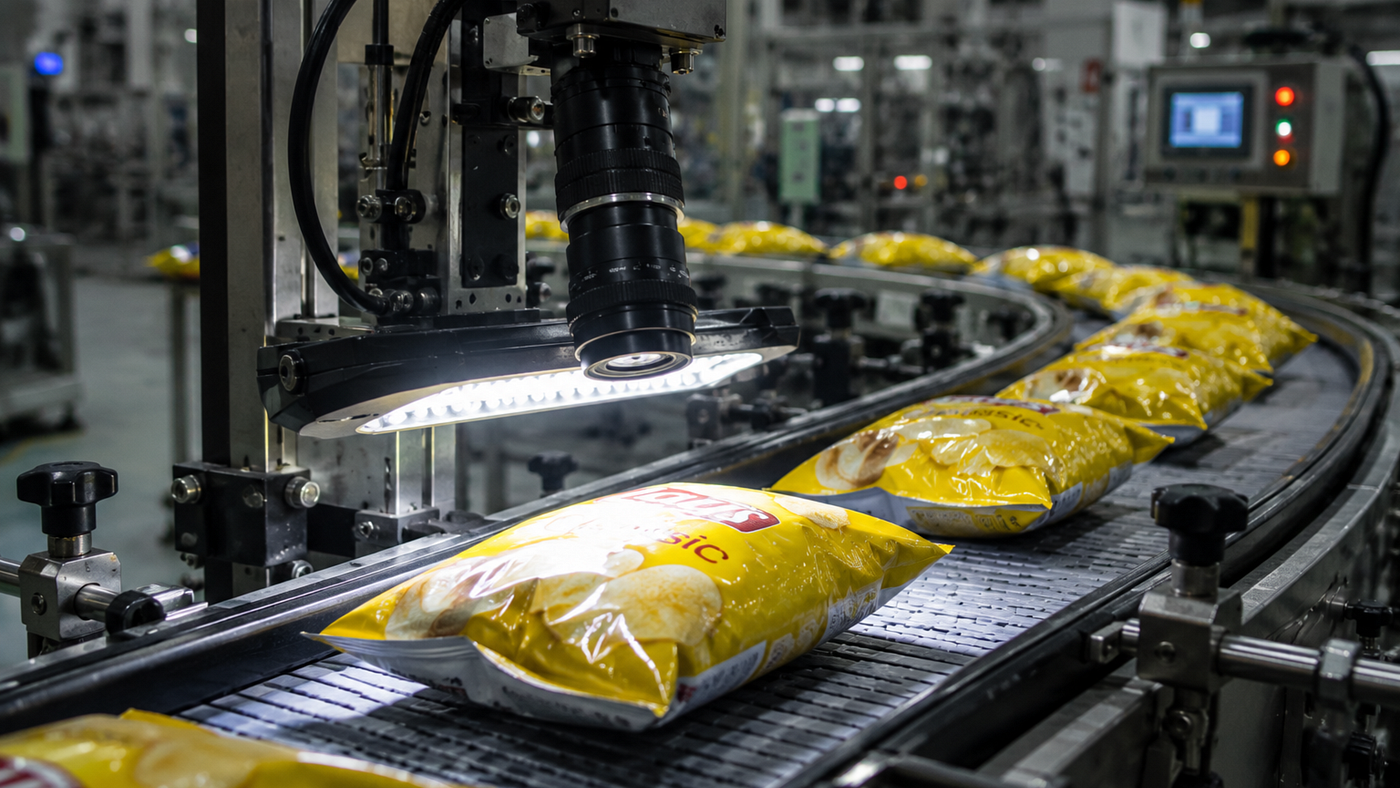
Before we get into the details, here’s one thing to keep in mind about the industry. A MarketsandMarkets report says that the global embedded vision market will grow from $7.4 billion to more than $18 billion by 2028. This growth will be mostly due to industrial, automotive, and AI-enabled camera products. More and more companies are sending out camera-based goods, and there is less room for design mistakes.
This blog post talks about what a full-spectrum embedded camera product development approach really looks like, how the parts work together, and why it’s more important than ever to think of it as a single discipline.
Understanding End-to-End Camera Design Services
The services that can be offered for end-to-end camera design services range from the initial technical discussion to the support offered during the production of a product that uses cameras. This includes the selection of sensors, optics, electronics, firmware, ISP optimization, multimedia pipelines, and AI, and ensuring the product is ready for production.
All of these layers rely on each other. You can’t finish optics without knowing how sensors work. You can’t lock firmware architecture without knowing what the ISP can and can’t do. You can’t guarantee AI performance without checking the memory bandwidth and data paths.
A real camera design service doesn’t just improve one layer at a time. It designs the whole camera subsystem so that it works reliably in the real product, not just in a lab demo.
When responsibility is shared among all vendors instead of being split up, it becomes much easier to develop embedded camera products.
Why Camera Design Cannot Be Modularized Too Early
A lot of teams start with reference designs. That makes sense for speed. The issue arises when reference assumptions are transferred into a custom product without undergoing re-evaluation.
Reference designs are based on standard lighting, lenses, thermal conditions, and use cases. Your product is never the same as others. It could be put up at an angle. It could work outside. It might need to be exposed to light for a long time at night or have very low latency during the day. These differences have a direct effect on the choice of sensors, the tuning of the ISP, and even the layout of the board.
A camera design service that works from start to finish sees reference designs as a starting point, not the final answer. When every assumption is questioned early on, when changes are still cheap, embedded camera product development is successful.
Sensor Selection and Integration
Most camera projects quietly succeed or fail when it comes to choosing the right sensor. Resolution by itself doesn’t tell you much. What matters is how the sensor works with your lighting, frame rate goals, power budget, and mechanical envelope.
The first step in a good camera design service is to match the needs of the application with how the sensor works. Global shutter vs. rolling shutter. Size of the pixel compared to its sensitivity. Read noise and dynamic range. These are not checkboxes; they are trade-offs.
Choosing the right interface is just as important. MIPI CSI-2 is the most important standard for making modern embedded cameras, but not all platforms work well with all lane configurations or data rates. HiSPi and parallel interfaces are still used in older and industrial systems, and they come with their own problems with signal integrity and timing.
Integration is more than just schematics. It includes things like power sequencing, clock stability, reset timing, and bring-up validation. If any of these are off by a few milliseconds, the sensor might not work right or only work in certain boot conditions. Those are the bugs that are hardest to find later.
Optics and Lens Integration
The lens determines the sensor’s view, and software cannot retrieve data that optics did not capture. But optics are often not given much thought.
Selecting a lens involves more than just its width. In the design of embedded cameras, it is necessary to consider factors such as distortion, MTF, chief ray angle, aperture response, and infrared. A lens may appear to be optimal on paper but may produce shading or color shift when combined with a particular sensor.
Mechanical registration is also a consideration. Tilt, focus tolerance, and robustness against vibration all have a direct impact on image consistency. In the design of a camera, a service must consider how the lens is mounted to the sensor, how that module is packaged in the housing, and how it will perform over time and temperature.
Optics and mechanics are part of camera engineering, not separate tasks that need to be bought.
Custom Board Design for Camera Systems
Camera boards are not the same as regular digital boards. In a small space, there are high-speed data lanes, sensitive analog rails, and strict noise requirements. Mistakes in layout don’t always lead to total failure. They cause problems that come and go, image artifacts, or performance limits that only show up when the system is under load.
A camera design service that includes custom board design takes care of sensor placement, matching trace lengths, controlling impedance, and keeping power separate from the start. It also takes into account mechanical stack-up to make sure that the optical path stays the same across all production units.
In the development of embedded camera products, the board is more than just an electrical platform. It is a part of the imaging system.
Driver and BSP Development
After the hardware is turned on, the software decides if it can be used. Camera drivers are in the middle of hardware timing, kernel frameworks, and what users expect.
V4L2 is a very important part of Linux systems. Android makes the camera HAL even more complicated. Custom driver models are often needed in RTOS environments. There are different expectations for each stack, and taking shortcuts here often leads to stability issues later.
A good camera design service makes drivers that work with the platform’s architecture instead of forcing quick fixes. This includes managing buffers correctly, handling errors, hooks for managing power, and making sure that display and AI pipelines are in sync.
When drivers are treated as bring-up code instead of production software, it can slow down the embedded camera product development.
Image Signal Processor Tuning
ISP tuning is the process of turning raw sensor data into images that can be used. You can’t just turn on auto-exposure, auto-white balance, noise reduction, and color correction. They need to be set up for the sensor, lens, lighting, and the situation in which they will be used.
ISP tuning is a process that happens over and over. You gather information. You change the parameters. You check things out in real life. You can’t rush this process, and you can’t do it all by yourself.
A camera design service that includes ISP tuning knows that there is more than one way to measure image quality. It is a balance between latency, clarity, consistency, and cost of computation. When teams think that the default ISP settings are good enough, embedded camera product development often fails.
Multimedia Framework Integration
Imaging is just one aspect of the work. Most devices have to be able to record, process, stream, or transmit video. This is where multimedia frameworks enter the picture.
GStreamer and FFmpeg are two of the most widely used multimedia frameworks, but the quality of integration can vary greatly. Poorly designed pipelines can lead to delays, lost frames, or memory leaks that only become apparent after the system has been running for several hours.
A good camera design service integrates multimedia frameworks with an understanding of how data flows, who owns the buffers, and how to accelerate the hardware. This ensures that video pipelines behave the same under load.
When making embedded camera products, image quality is just as important as multimedia stability.
AI and Machine Learning Integration
Increasingly, new and new kinds of camera products are incorporating edge AI. Object detection, tracking, classification, and anomaly detection each pose new requirements on the camera pipeline.
The sensor is where the integration of AI begins. The accuracy of the AI model is impacted by resolution, frame rate, and exposure. This continues through memory bandwidth, compute scheduling, and thermal constraints.
A camera design service that incorporates AI does not view models as black boxes. It ensures that AI is effective on embedded platforms by optimizing data representation, preprocessing, and inference. This essentially means that AI is integrated into the camera, and it cannot be added as an afterthought.
Manufacturing and Production Support
A lot of camera projects work in the lab but fail when they are made. That usually means that the factory isn’t ready to make things.
Part of production support is making sure that BOMs are correct, checking that components are available, setting up test procedures, and helping with line bring-up. For mass production, camera calibration often needs to be done automatically, especially when optics or ISP settings are slightly different between units.
A full camera design service stays involved during production to make sure that what worked in engineering works in manufacturing as well. The development of embedded camera products isn’t done until units ship on time every time.
Conclusion
Providing more line items is not what end-to-end camera design services are about. They are in charge of the whole imaging system, from the moment photons hit the lens to the moment data leaves the processor.
This method lowers risk, improves image quality, and speeds up the process of getting products ready for production for companies that make serious camera-enabled products. The best way to develop embedded camera products is to have one team that knows and owns the whole stack.
Silicon Signals works right here. Silicon Signals sees camera design as one big engineering problem that includes everything from choosing sensors and optics to tuning ISPs, developing drivers, integrating AI, and supporting production. That full-spectrum ownership makes all the difference for teams that want to go from prototypes to products that are reliable and can grow.
메타데이터
- post_id
- 5b553a030d6b
- slug
- what-are-end-to-end-camera-design-services-5b553a030d6b
- url
- https://medium.com/@siliconsignals.io/what-are-end-to-end-camera-design-services-5b553a030d6b
- canonical_url
- https://medium.com/@siliconsignals.io/what-are-end-to-end-camera-design-services-5b553a030d6b
- author_url
- https://medium.com/@siliconsignals.io
- status
- ok
- fetched_at
- 2026-06-23 03:48:11