Life as a Chemical Symphony
Introduction: Defining the Boundaries of Life
Life as a Chemical Symphony
Introduction: Defining the Boundaries of Life
The question of what constitutes life has been a subject of debate among scientists and philosophers for centuries. One of the key issues in this debate is defining the boundaries between the living and non-living entities. However, this ongoing debate also raises a deeper question — the sense of life and its origins. The question of defining the sense of life is closely related to the question of defining the sense of other physical phenomena and processes such as chemical reactions.

RNA: The Building Blocks of Life?
One factor that complicates the distinction between living and non-living entities is the presence of RNA in all living organisms and even in viruses, which are traditionally considered non-living entities. RNA is believed to have evolved over time through a process known as natural selection. The “RNA world hypothesis” proposes that RNA was the first genetic material and the first form of life on Earth. This theory emphasizes the interconnectedness and interdependence of living and non-living systems and the importance of considering the environment in which these systems exist.
Self-Maintenance: The Key to Life (Autopoiesis)
Some scientists argue that there is a continuity between non-living matter and living organisms and that the distinction between the two is artificial. For example, some non-living systems, such as chemical reactions, can display characteristics commonly associated with life, such as self-organization, self-sustenance, adaptation, and evolution.
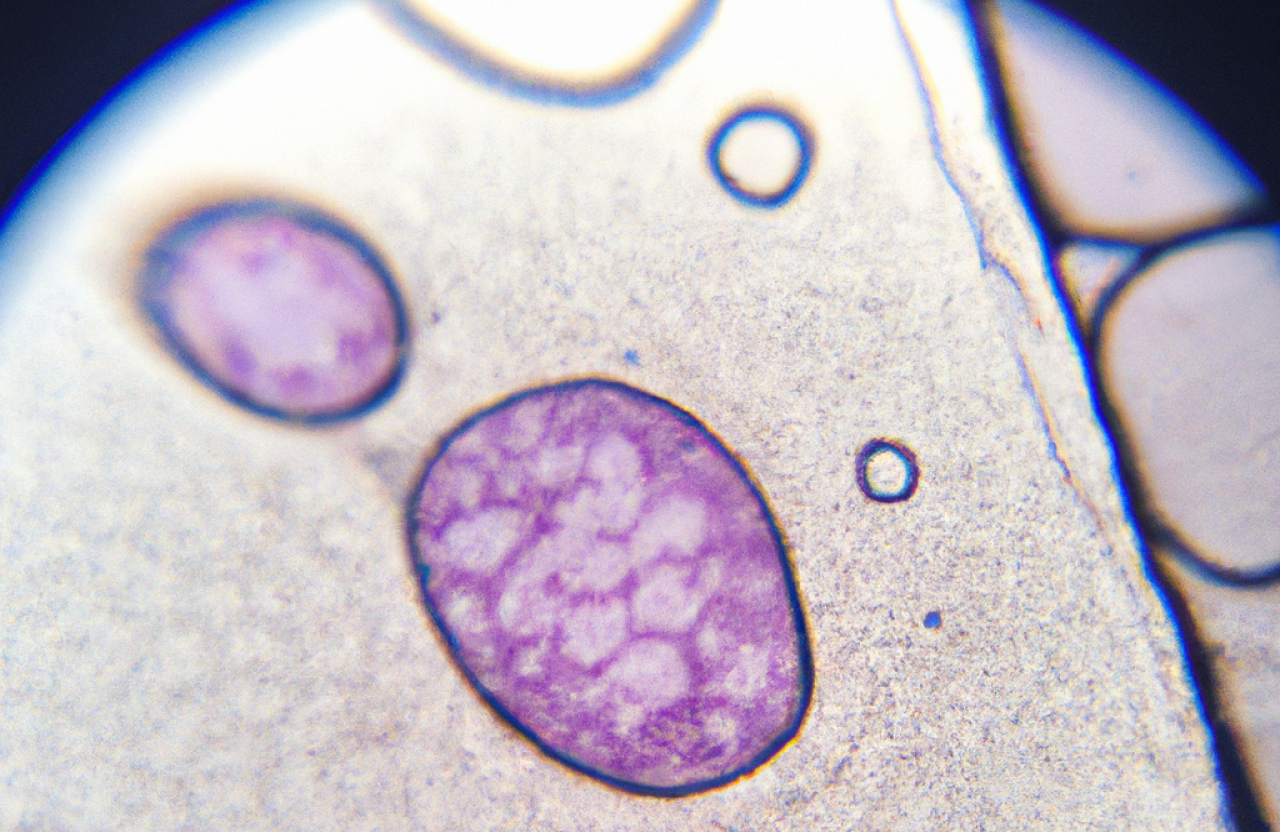
One concept that has been proposed as a basis for defining life is autopoiesis, which refers to the ability of a system to maintain its own organization. Autopoiesis theory was first proposed by Humberto Maturana and Francisco Varela in the 1970s, it suggests that a living system is defined by its ability to produce and maintain its own boundaries, through self-sustaining chemical reactions. For example, a cell is considered alive because it has the ability to maintain its own organization, through the process of metabolism. Similarly, an organism is considered alive because it has the ability to maintain its own organization, through the process of digestion, respiration, and other metabolic processes.
Life Beyond Biology: The Emergence of Artificial Life
In addition, some examples of autopoiesis are found in artificial systems like robots or computer programs that can maintain their own structure, by producing and renewing their components.

The ongoing debate among scientists and philosophers about this perspective is expected to lead to a better understanding of the complexity of life and its origins.
Conclusion: The Quest for Understanding Life: Past, Present, and Future
In conclusion, the question of what constitutes life is a complex one that has been subject to debate for centuries. The presence of RNA in all living organisms and even in viruses, and the concept of autopoiesis, has further complicated the distinction between living and non-living entities. However, by examining the question of the sense of life and its origins, we may be able to gain a deeper understanding of the complexity of life and its relationship to other physical phenomena and processes. The concept of autopoiesis, the ability of a system to maintain its own organization, has been proposed as a basis for defining life and it is found in both natural and artificial systems.
메타데이터
- post_id
- 5b78e4ffd63a
- slug
- life-as-a-chemical-symphony-5b78e4ffd63a
- url
- https://medium.com/@musmodo/life-as-a-chemical-symphony-5b78e4ffd63a
- canonical_url
- https://medium.com/@musmodo/life-as-a-chemical-symphony-5b78e4ffd63a
- author_url
- https://medium.com/@musmodo
- status
- ok
- fetched_at
- 2026-06-29 02:33:43