What is Observability 3.0?
The Next Stage of Observability
What is Observability 3.0?
The Next Stage of Observability
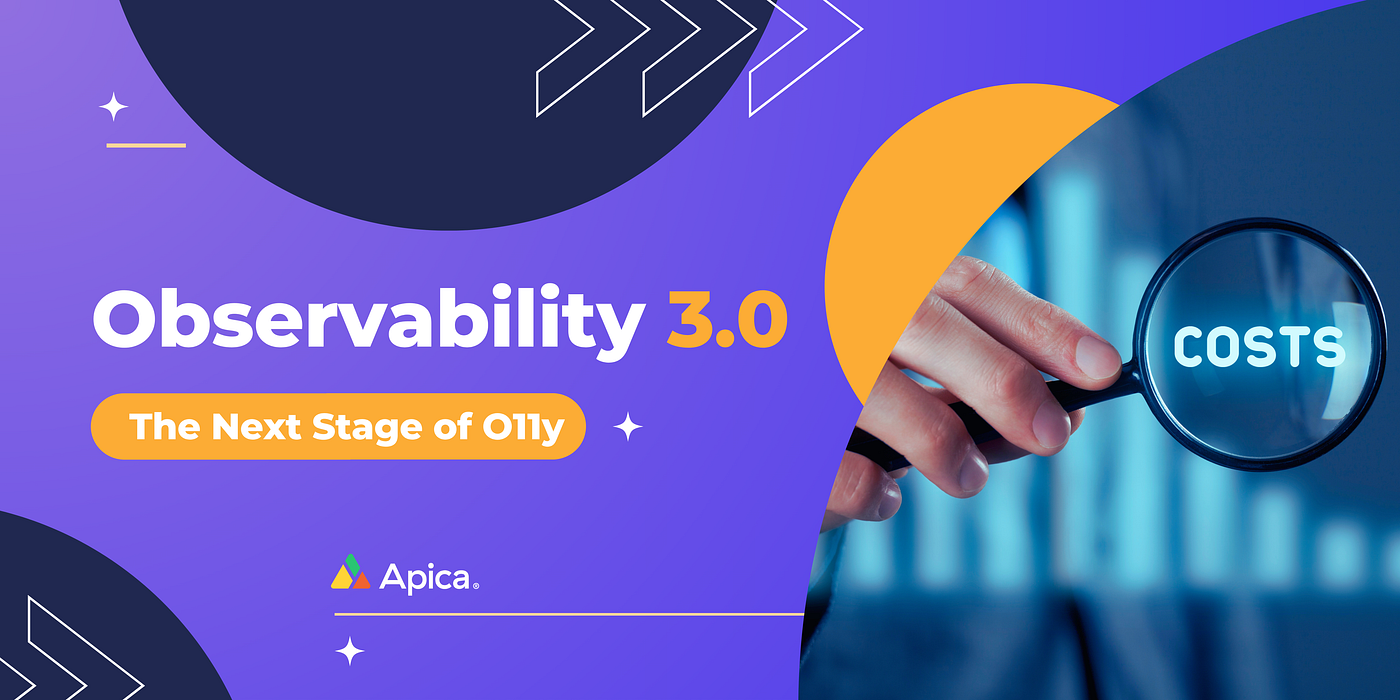
Observability has undergone a significant transformation over the past decade. What began as siloed logs, metrics, and traces has evolved into Observability 2.0 — a unified approach that leverages context-rich data, standardized telemetry through OpenTelemetry, and platform-driven insights to provide comprehensive system visibility.
While this transformation took years to mature, the pace of innovation has accelerated dramatically. Before many organizations have fully implemented Observability 2.0, the industry is already buzzing about Observability 3.0 — raising questions about whether we’re advancing too quickly.
This rapid versioning might feel like marketing hype — slapping version numbers on incremental improvements and calling them revolutionary. Yet dismissing these developments entirely would be shortsighted. Each iteration represents genuine advances in how we understand and monitor complex systems, even if the naming conventions follow familiar patterns in the tech industry.
Take, for example, smartphones, or software updates (the whole shebang): Every year, a new model emerges labeled with a higher number, promising groundbreaking improvements. Yet, in practice, each iteration incrementally builds upon the last, subtly refining rather than redefining user experience.
This pattern was so pronounced that 2023 was described as “the year of iterative updates.”
Similarly, Observability 3.0 might not introduce radical overnight changes, but instead marks continuous refinement and incremental advancement in how we manage telemetry and derive insights.
Why is Observability 3.0 about?
First, a quick recap: Observability 1.0 is the traditional, pillar-based approach (logs, metrics & traces), and Observability 2.0 is the unified, context-rich approach (aka the single source of truth model).
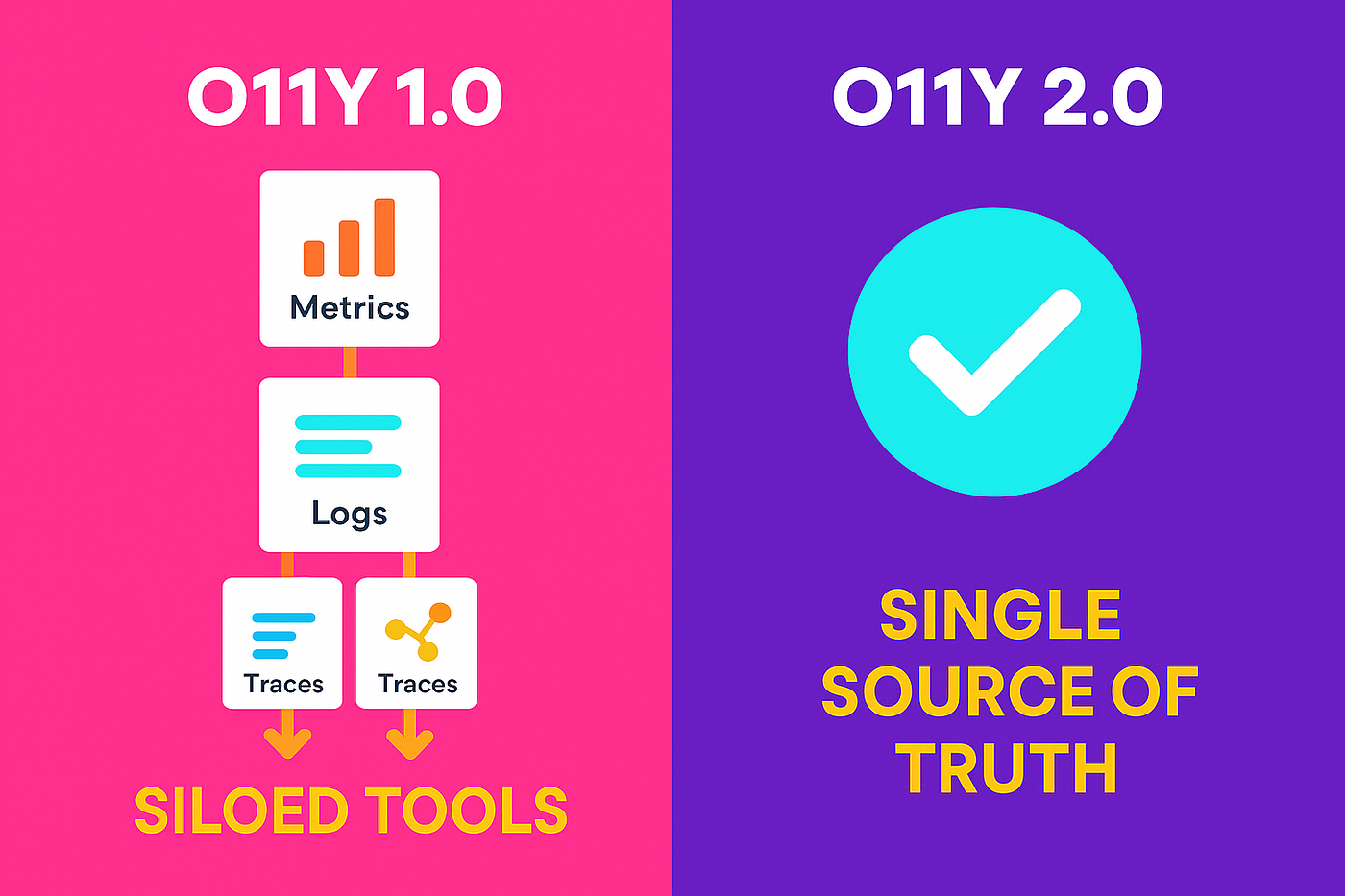
Now, for the sake of simplicity, let’s call Observability 1.0 the OG-O11y and Observability 2.0, well — O11y 2.0, and for all its capabilities and benefits, the cost of observability has always been the writing on the wall.
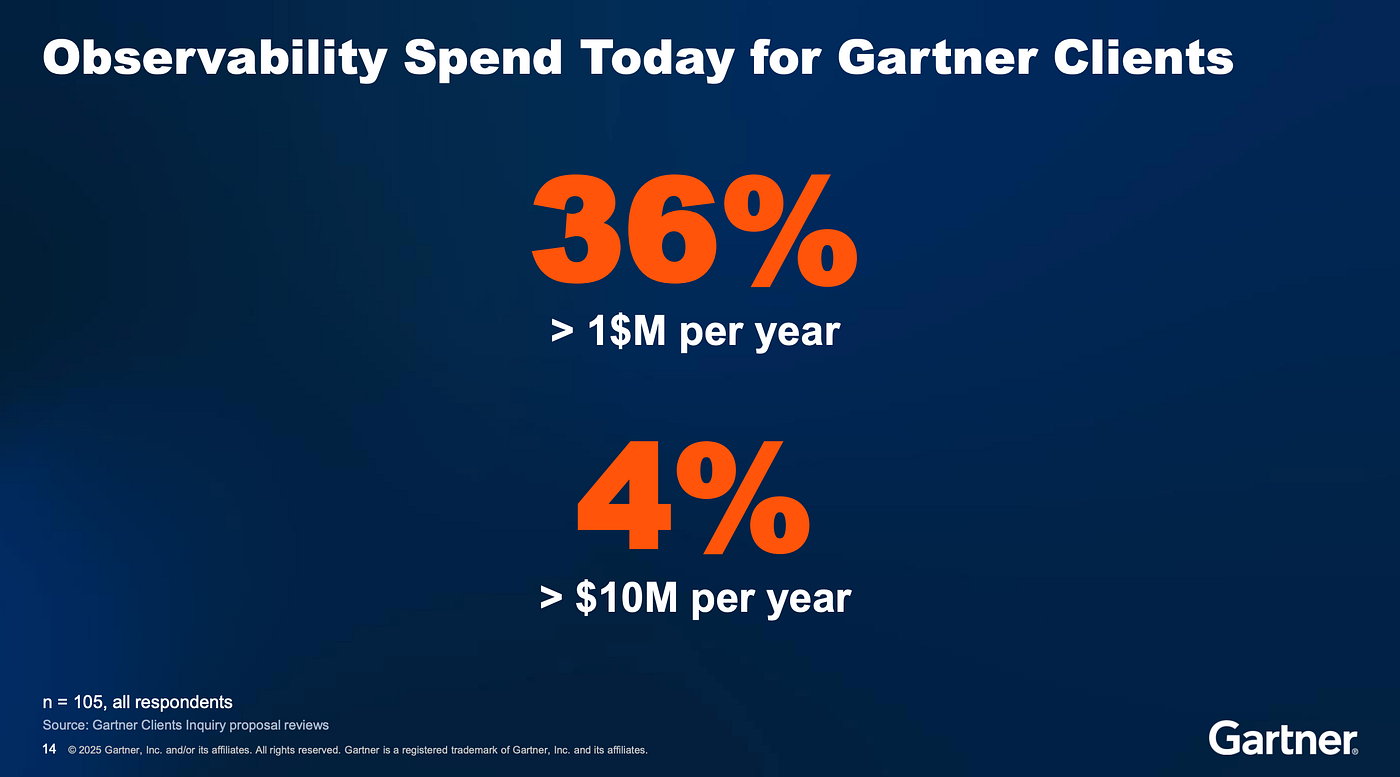
In 2025 and the years to come, Observability costs are projected to experience a dramatic surge.
Gartner notes that 36% of enterprises now spend over $1 million per year on observability, with some even exceeding $10 million. One organization saw expenses rise from $50,000 in 2009 to $14 million by 2024 — an annual growth rate of 40% over the past five years, far exceeding typical business growth.
The big idea in observability 3.0 is better ROI. Neither of the previous versions dealt well with rising costs.
This new shift represents more than just the next stage in observability—it's fundamentally focused on cost efficiency. Let’s explore this in more detail:
This cost problem in O11y calls for two key shifts:
- Precise telemetry: First, you need access to highly detailed telemetry that enables you to quickly address customer issues and gain a deeper understanding of system behavior.
- Smart data collection: Next, you should minimize the collection of unnecessary telemetry that only adds complexity and drives up costs.
**The current state of observability is inadequate in these areas, as it requires users to send all potentially relevant data upfront, which leads to a perpetual loop of disagreement between engineering and finance teams without significantly improving incident resolution times. Thus emerges a need for a more effective solution — enter Observability 3.0**.
The Path to O11y 3.0 is Unified
“With digital experience becoming the key factor for customer loyalty, unified intelligence beats fragmented monitoring,” — Lori Bertelli, Director of Product Marketing and Communications at Apica
Observability costs are a big challenge. They’re high and unpredictable, making it harder to get value from your observability tools. Skipping observability is out of the equation; you need it to keep systems running smoothly and your customers happy. So, the key is managing these costs effectively. That’s where Apica’s unified observability solution comes in.
Running many different monitoring tools adds complexity, increases costs, and creates security risks. Using a single observability platform simplifies operations, saves money, and keeps your systems secure.
Problems caused by fragmented tools include:
- Time wasted: Engineers spend hours matching data from different tools.
- Security Concerns: Siloed data makes it hard to detect attacks.
- Growth limits: Individual tools often have limits on data ingestion, making it hard to expand.
As technology evolves further, unified observability prepares your organization to adapt, integrate new tech, and maintain clear visibility.
Unified observability has become essential, driven by trends like AI-driven automation, vendor consolidation, and aligning observability directly with business outcomes.
Today, observability needs to shift from mere system monitoring to enabling strategic business insights.
Apica centralizes all telemetry data in one pipeline, simplifying monitoring, improving security, and helping you meet compliance goals. Apica Ascent is a unified telemetry and observability platform, designed to upscale IT operations for businesses of all sizes and eliminate tool sprawl, which brings us one step closer to Observability 3.0.
Feeling the grip of observability costs? What strategies are you using to manage expenses? Share in the comments.
TL;DR/ Short Summary
O11y 1.0 vs O11y 2.0. vs O11y 3.0:
- O11y 1.0: Traditional, siloed logs, metrics, and traces.
- O11y 2.0: Unified approach using context and standards like OpenTelemetry.
- O11y 3.0: Focused on better ROI, precise telemetry, and smart data collection to manage escalating costs effectively.
Key Challenges O11y 3.0 Addresses:
- Collect precise, targeted telemetry data: High and unpredictable observability costs.
- Minimize unnecessary data ingestion: Excessive collection of telemetry data causes complexity.
- Unified observability platform to reduce complexity, improve security, and drive business insights.
Why Unified Observability Matters:
- Reduces costs and security risks from fragmented monitoring tools.
- Improves efficiency in operations and incident response.
- Aligns observability directly with strategic business goals.
This article is written by Mohammad Zaigam, who is a Content Marketing Specialist at Apica. Coming from a technical background, Z has a passion for writing about Tech and Software in general. He curates content and marketing strategies, helping Apica establish itself as a brand in the Observability and Data Management space.

👋 If you find this helpful, please click the clap 👏 button below a few times to show your support for the author 👇
🚀Join FAUN Developer Community & Get Similar Stories in your Inbox Each Week
메타데이터
- post_id
- 5ba6d805460e
- slug
- what-is-observability-3-0-5ba6d805460e
- url
- https://faun.pub/what-is-observability-3-0-5ba6d805460e
- canonical_url
- https://faun.pub/what-is-observability-3-0-5ba6d805460e
- author_url
- https://medium.com/@apica.io
- status
- ok
- fetched_at
- 2026-06-25 12:15:08