The Hooded Pitohui: The First Poisonous Bird Ever Discovered
Deep inside the steaming rainforests of Papua New Guinea, a flash of orange and black darts between the shadows. At first glance, the…
The Hooded Pitohui: The First Poisonous Bird Ever Discovered
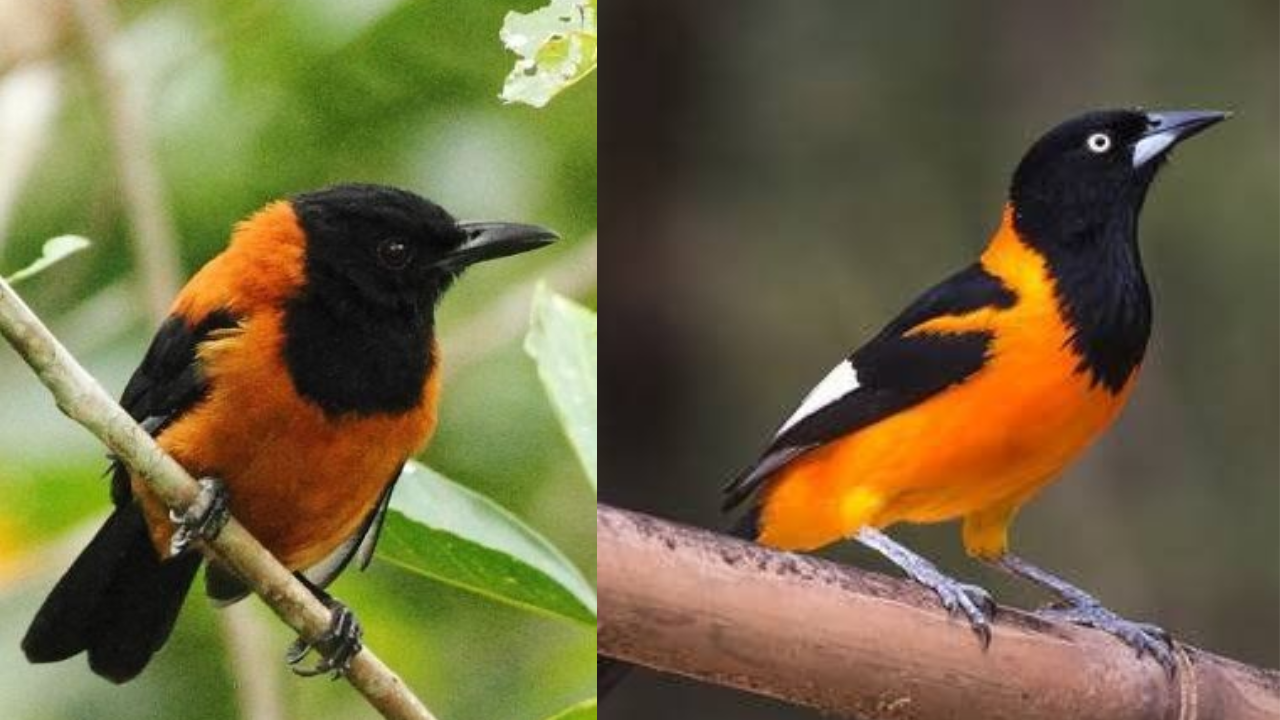
Deep inside the steaming rainforests of Papua New Guinea, a flash of orange and black darts between the shadows. At first glance, the Hooded Pitohui looks like just another beautiful tropical bird — but a single touch can make your skin tingle and your lips go numb. It is the world’s first poisonous bird ever discovered, a creature so unique that it changed what scientists believed about avian biology. Early research even suggests connections to findings described in this detailed guide on poisonous birds ever in the world, revealing just how extraordinary this species truly is.

What Is the Hooded Pitohui?
The Hooded Pitohui is a medium-sized passerine bird native to the dense rainforests of New Guinea. Its striking black head and fiery orange body make it one of the most visually stunning birds in the region — and one of the most dangerous to touch.
Long before scientists understood its true nature, local hunters already knew this bird was unusual. They called it the “rubbish bird,” because its flesh tasted foul and caused numbness when handled. What was once a village warning later became a groundbreaking biological discovery.
Its feathers and skin contain a powerful toxin capable of causing burning, numbness, and tingling sensations, making this one of nature’s rare avian defense systems.
Why Is the Hooded Pitohui Poisonous?
Unlike venomous animals that produce toxins internally, the Hooded Pitohui gets its poison from its diet. It feeds on certain beetles and insects rich in batrachotoxins, the same family of toxins found in Colombia’s poisonous dart frogs.
How It Works:
- The bird consumes toxic insects.
- The toxins accumulate in its skin and feathers.
- Predators who try to eat or bite it quickly experience burning, tingling, or nausea.
- Over generations, predators learn to avoid the brightly colored bird entirely.
This remarkable process is an example of bioaccumulation, where toxins move from prey to predator — turning the bird’s diet into a natural shield.
How the Poison Works
Batrachotoxins are some of the most powerful natural neurotoxins known. Even in tiny amounts, they can disrupt the way nerves send signals to muscles.
What the Toxins Do:
- They interfere with sodium channels in nerve cells.
- This causes numbness, burning, or temporary paralysis.
- Feathers and skin contain the highest toxin concentration.
- Even lightly touching the bird can cause tingling if the toxin transfers to your skin.
The bird itself is immune to its own toxins — a biological mystery still being studied.
How Does the Hooded Pitohui Defend Itself?
The Hooded Pitohui uses a triple-layer defense system that makes it one of the most protected small birds on the planet.
Defense Advantages
- Toxins discourage predators: Once bitten, predators never forget.
- Bright warning colors: Its orange and black plumage serves as an aposematic signal.
- Parasite protection: Toxic feathers help reduce lice and parasites.
Rather than fleeing or hiding constantly, this bird allows its chemical defense to do the talking.
Where Does the Hooded Pitohui Live?
The Hooded Pitohui thrives in the warm, humid, insect-rich jungles of Papua New Guinea. Its survival depends heavily on this ecosystem.
Typical Habitat Features
- Tropical, humid rainforest environment
- Dense canopy and thick vegetation
- Abundant populations of toxic beetles
- Areas with high biodiversity and minimal human disturbance
Its range is limited, making sightings rare and scientifically valuable.
Why Is the Hooded Pitohui Important to Science?
The discovery of a poisonous bird shocked biologists worldwide and opened new paths of research.
Scientific Significance
- Proved birds can be poisonous, not just amphibians or insects.
- Helped researchers understand toxin transfer through diet.
- Offered insights into evolutionary biology and predator–prey relationships.
- Inspired further research into aposematic coloration (warning colors in animals).
- Raised questions about how widespread bird toxicity may be.
This bird challenged long-standing scientific assumptions — and continues to inspire research today.
Is the Hooded Pitohui Dangerous to Humans?
Humans are not at serious risk from the Hooded Pitohui unless they try to handle it directly — something you should never do in the wild.
Safety Tips
- Avoid touching wild birds in Papua New Guinea.
- Observe from a safe distance (bring binoculars!).
- Do not disturb nests or young birds.
- Respect wildlife habitats and local guidelines.
If touched, the bird can cause temporary numbness or tingling, but not serious medical harm.
Conclusion
The Hooded Pitohui is more than just a beautiful rainforest bird — it’s a scientific marvel. Its poison-filled feathers, vibrant warning colors, and unique evolutionary adaptations make it one of nature’s most extraordinary species.
From the toxic beetles it eats to the dazzling colors that warn predators away, every part of its biology is a story of survival. This bird didn’t just challenge scientific belief — it rewrote it.
The Hooded Pitohui stands as a reminder that even the most colorful creatures can carry the most surprising secrets.
FAQs
1. What makes the Hooded Pitohui poisonous?
Its diet includes beetles and insects containing batrachotoxins, which accumulate in its feathers and skin.
2. Are humans in danger from this bird?
Only if they handle it. Observing from a distance is completely safe.
3. How does the Hooded Pitohui protect itself?
Through toxins, bright aposematic colors, and lowered parasite load.
4. Why is this bird important to science?
It proved that birds can carry toxins and helped scientists learn more about evolution and bioaccumulation.
5. Where does the Hooded Pitohui live?
In the dense tropical rainforests of Papua New Guinea.
메타데이터
- post_id
- 5bc36fdb9061
- slug
- the-hooded-pitohui-the-first-poisonous-bird-ever-discovered-5bc36fdb9061
- url
- https://medium.com/@facts4024/the-hooded-pitohui-the-first-poisonous-bird-ever-discovered-5bc36fdb9061
- canonical_url
- https://medium.com/@facts4024/the-hooded-pitohui-the-first-poisonous-bird-ever-discovered-5bc36fdb9061
- author_url
- https://medium.com/@facts4024
- status
- ok
- fetched_at
- 2026-07-15 07:36:08