Solving White Pollution: PLA Bi-Component Fibers in Sustainable Nonwovens
The proliferation of disposable medical and hygiene products has historically contributed to a severe global “white pollution” crisis…
Solving White Pollution: PLA Bi-Component Fibers in Sustainable Nonwovens
The proliferation of disposable medical and hygiene products has historically contributed to a severe global “white pollution” crisis. Addressing this environmental challenge requires materials that do not compromise on hygiene or performance. Bio-based, recyclable, and fully compostable Polylactic Acid (PLA) nonwovens have emerged as the definitive solution for modern industry upgrades.
The Engineering of PLA Bi-Component Staple Fibers
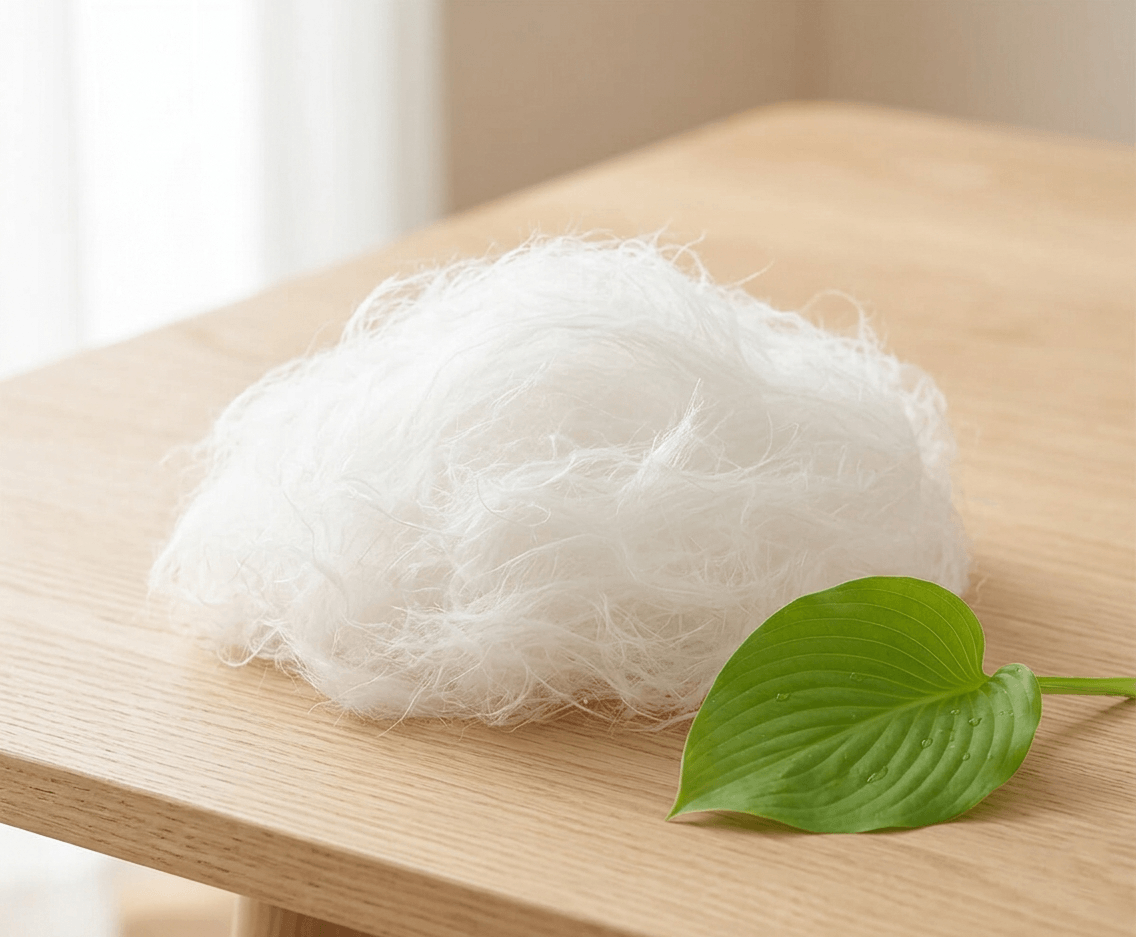
At the forefront of this material revolution is the PLA bi-component staple fiber, a flagship innovation developed by eSUN. This advanced fiber is engineered with a specialized sheath-core structure.

The design features a low-melting-point outer sheath surrounding a high-melting-point inner core. This precise physical configuration is specifically optimized for hot-air and hot-rolled nonwoven manufacturing processes.
Self-Bonding Capabilities for Complete Degradability
When exposed to processing heat, the low-melting sheath acts as a powerful self-bonding agent. This structural advantage completely eliminates the need for additional chemical adhesives during production.

Consequently, the final nonwoven product remains entirely safe, pure, and 100% degradable. By directly replacing conventional low-melt polyester or ES fibers, PLA bi-component fibers provide a greener pathway for manufacturers to meet strict global compostability standards.
Versatile Processing with Natural and Regenerated Fibers
The processing versatility of PLA bi-component fibers allows for seamless integration with a wide variety of secondary materials. Manufacturers can effortlessly blend these bi-component fibers with natural fibers like cotton, hemp, silk, and wool.

Furthermore, they exhibit excellent compatibility with regenerated cellulose fibers including viscose, lyocell, modal, and bamboo fiber. Through techniques such as spunlace and needle-punching, these blends are transformed into high-quality nonwovens, wadding, and felts.
Transforming Medical and Hygiene Applications
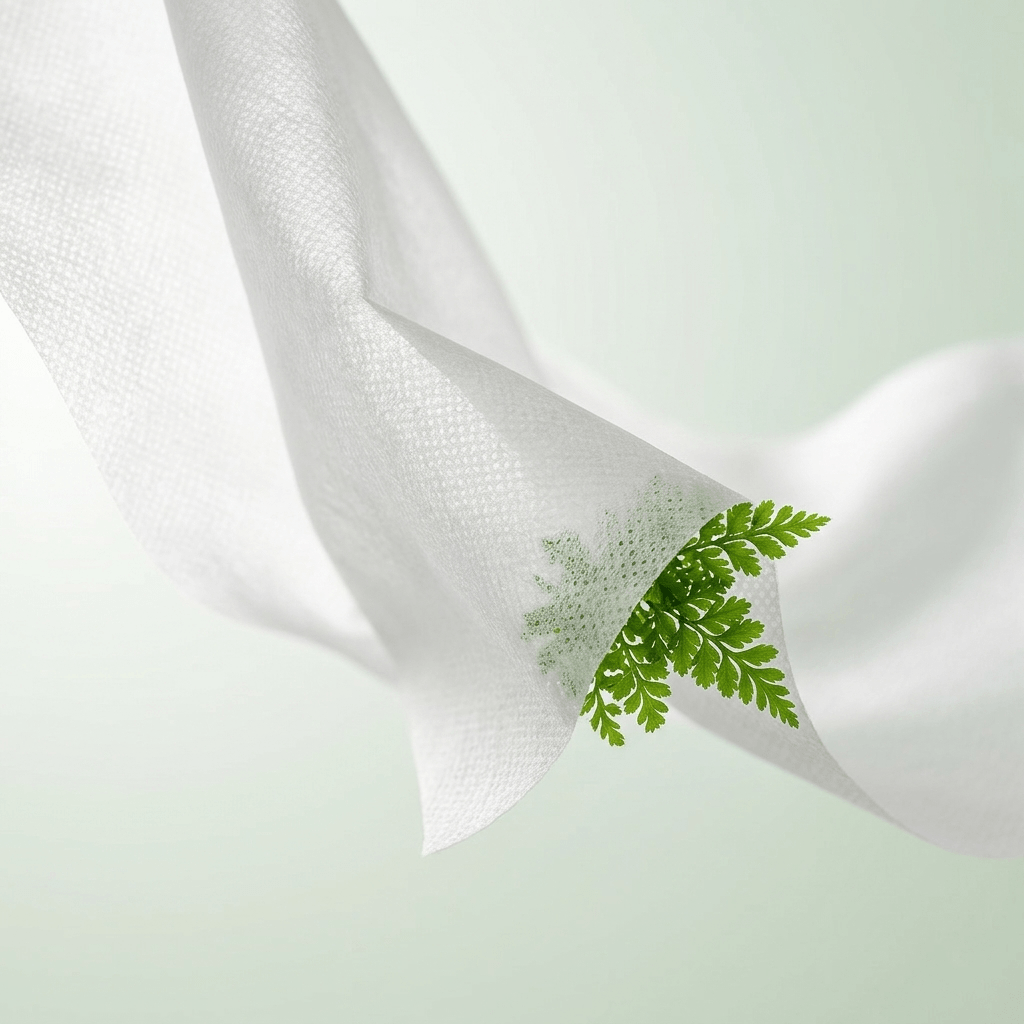
In practical applications, PLA fiber nonwovens excel in the demanding medical and personal hygiene sectors. The material features outstanding moisture permeability, natural antibacterial properties, and unparalleled biocompatibility.

These traits make PLA nonwovens remarkably skin-friendly and perfectly suited for allergy-prone individuals. Ultimately, this material bridges the critical gap between skin-friendly comfort and environmental responsibility, ensuring that essential disposable hygiene products can safely return to nature.
메타데이터
- post_id
- 5c2bbbd6eb8a
- slug
- solving-white-pollution-pla-bi-component-fibers-in-sustainable-nonwovens-5c2bbbd6eb8a
- url
- https://medium.com/@plafiber/solving-white-pollution-pla-bi-component-fibers-in-sustainable-nonwovens-5c2bbbd6eb8a
- canonical_url
- https://medium.com/@plafiber/solving-white-pollution-pla-bi-component-fibers-in-sustainable-nonwovens-5c2bbbd6eb8a
- author_url
- https://medium.com/@plafiber
- status
- ok
- fetched_at
- 2026-06-25 07:00:49