The Role of Zero Liquid Discharge Systems in Solar Industry Wastewater Treatment
The solar industry plays a pivotal role in driving the transition to sustainable energy, but the manufacturing processes involved also…
The Role of Zero Liquid Discharge Systems in Solar Industry Wastewater Treatment
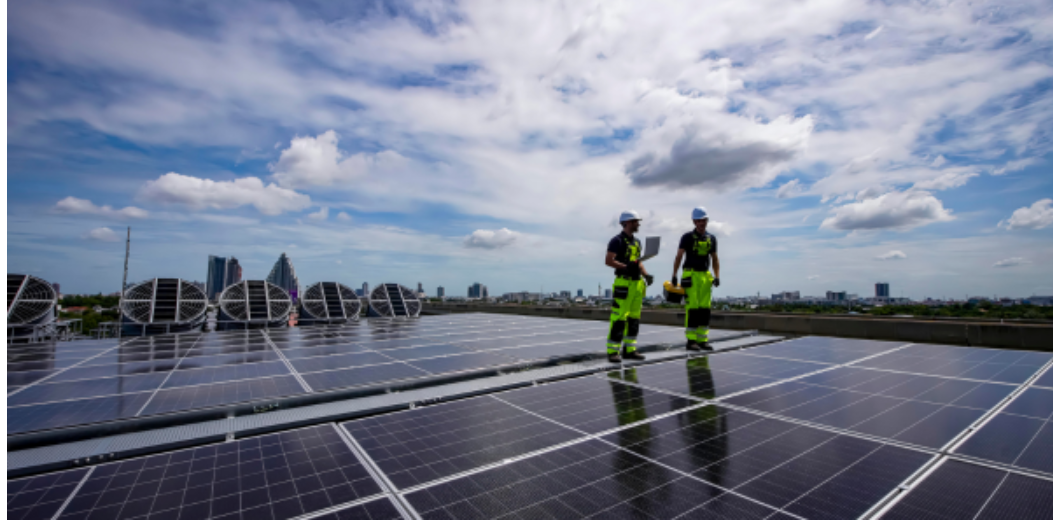
The solar industry plays a pivotal role in driving the transition to sustainable energy, but the manufacturing processes involved also generate wastewater that must be managed responsibly. Treating this wastewater effectively is crucial not just to meet environmental regulations but to conserve precious water resources as industrial demand continues to grow. Zero Liquid Discharge (ZLD) systems have become a key solution to address wastewater challenges in the solar industry. These systems allow for near-total water recovery and reuse, while minimizing environmental impact. This blog will explore the technical aspects of ZLD systems tailored for solar wastewater treatment, highlight current trends, and offer practical guidance for implementation.
Understanding Zero Liquid Discharge and Its Importance in Solar Wastewater Treatment
What is Zero Liquid Discharge?
Zero Liquid Discharge (ZLD) is a cutting-edge wastewater treatment process that ensures no liquid waste is discharged into the environment. Instead of releasing treated effluent, ZLD systems recover almost all the water through various physical and chemical processes, leaving only solid waste that is safely disposed of or repurposed.
Why ZLD is Crucial for the Solar Industry
Solar panel manufacturing processes, such as wafer cutting, chemical etching, and module assembly, produce wastewater laden with heavy metals, acids, alkalis, suspended solids, and dissolved salts. If not properly treated, these contaminants can cause significant environmental harm and lead to non-compliance with regulations.
Adopting ZLD systems helps solar manufacturers:
- Ensure compliance with zero liquid discharge regulations.
- Recycle process water for reuse, reducing the need for freshwater and lessening dependence on municipal supplies.
- Lower effluent disposal costs and reduce the environmental footprint of their operations.
Key Components of ZLD Systems in Solar Wastewater Treatment
ZLD systems typically involve a multi-stage treatment process that combines different technologies to treat and recover water from wastewater. These systems are designed to handle the complexities of solar manufacturing wastewater, ensuring a high level of water recovery and pollutant removal.
1. Pre-Treatment
The first step is to remove large particles, oils, and suspended solids through filtration and sedimentation.
2. Primary Treatment
Physicochemical treatments like coagulation and flocculation are used to precipitate heavy metals and neutralize the pH of the wastewater.
3. Secondary Treatment
This stage may involve biological treatments or advanced oxidation processes to break down biodegradable organic matter.
4. Membrane Separation Technologies
Ultrafiltration (UF) and reverse osmosis (RO) membranes are employed to separate dissolved salts and contaminants from the water.
5. Evaporation and Crystallization
Thermal processes concentrate brine from RO reject water, crystallize solids, and recover high-purity water vapor that is condensed and returned as usable water.
How ZLD Integrates with Solar Manufacturing Processes
Effective ZLD design takes into account the specific characteristics of solar wastewater, such as etching by-products, silicon residues, and chemical detergents. These systems are engineered for flexibility, compactness, and robustness, capable of handling fluctuating flow rates and varying contaminant loads.
Supporting Continuous Manufacturing
ZLD systems ensure that water-related interruptions do not halt solar production, even when water sources are limited or regulations become stricter.
Key Benefits of ZLD for Solar Manufacturers
1. High Water Recovery for Continuous Production
Water is a critical resource in solar manufacturing, especially in processes like wafer cleaning, etching, and cooling. ZLD systems ensure over 95% of wastewater is recovered for reuse, ensuring uninterrupted production even when water is scarce or regulations impose limits on discharge. This reduces the need for fresh water, helping manufacturers maintain a consistent supply for essential operations.
2. Removal of Chemicals and Pollutants
Solar wastewater contains hazardous chemicals like acids, solvents, and metals. ZLD systems use advanced filtration techniques like RO and UF to remove these pollutants, ensuring the treated water meets the stringent purity standards necessary for further manufacturing processes.
3. Regulatory Compliance
With rising regulations around industrial wastewater discharge, ZLD systems help solar manufacturers comply with environmental standards by ensuring no liquid effluent is released into the environment. These systems meet strict limits on hazardous substances, such as fluoride, arsenic, and lead, ensuring that water extraction and discharge operations are both legal and environmentally responsible.
4. Cost Savings and Resource Optimization
Though ZLD systems require a significant initial investment, the long-term savings are substantial. By reducing the need for external water supplies and cutting wastewater disposal costs, manufacturers can reduce their operational expenses. Additionally, ZLD systems create opportunities for resource recovery, such as reclaiming salts and chemicals that can be reused in the plant.
5. Sustainable Water Management
ZLD systems contribute to sustainable production by enabling manufacturers to recycle and reuse water, cutting down on waste and reducing the burden on local water resources. The ability to recycle water from wastewater directly supports sustainability goals and positions solar manufacturers as responsible stewards of the environment.
Technological Advances in ZLD for Solar Manufacturing
As technology evolves, ZLD systems continue to improve, becoming more energy-efficient and cost-effective. Manufacturers are increasingly able to recover more water with less energy, making these systems a viable long-term solution for sustainable water management in the solar industry.
Conclusion
Zero Liquid Discharge (ZLD) systems are becoming an essential part of the solar industry’s strategy for sustainable water management. By recovering and recycling up to 98% of wastewater, ZLD systems not only help solar manufacturers comply with environmental regulations but also enable them to optimize resource usage, reduce operational costs, and contribute to global sustainability goals.
As the demand for solar energy grows, responsible water management in manufacturing processes will continue to be critical. ZLD systems provide a reliable, efficient solution to ensure that solar manufacturers can sustain production while minimizing their environmental footprint.
Investing in ZLD is a forward-thinking move for companies in the solar industry. It helps achieve compliance, conserve water, and contribute to a sustainable future. As technology improves, ZLD systems will become increasingly affordable and efficient, making them an even more attractive choice for solar manufacturers worldwide.
메타데이터
- post_id
- 5c4eac4a89e0
- slug
- the-role-of-zero-liquid-discharge-systems-in-solar-industry-wastewater-treatment-5c4eac4a89e0
- url
- https://medium.com/@wiprowaterindia/the-role-of-zero-liquid-discharge-systems-in-solar-industry-wastewater-treatment-5c4eac4a89e0
- canonical_url
- https://medium.com/@wiprowaterindia/the-role-of-zero-liquid-discharge-systems-in-solar-industry-wastewater-treatment-5c4eac4a89e0
- author_url
- https://medium.com/@wiprowaterindia
- status
- ok
- fetched_at
- 2026-06-14 11:28:49