How I Manage an AFib Episode in Social Situations Without Causing Alarm
I’m someone who’s been living with atrial fibrillation (AFib) for quite some time now, and over the years, I’ve picked up a few tips and…

How I Manage an AFib Episode in Social Situations Without Causing Alarm
I’m someone who’s been living with atrial fibrillation (AFib) for quite some time now, and over the years, I’ve picked up a few tips and tricks on how to manage it, especially in social situations. If you’ve experienced an AFib episode, you know how unpredictable and unsettling it can be. Your heart starts racing or fluttering out of nowhere, and suddenly, what should be a fun, relaxed gathering can turn into a source of stress. But guess what? It doesn’t have to be that way!
I’m going to explain to you how I personally handle a covert AFib episode in public or with friends and family. Being organized, composed, and having some good plans in place can make all the difference in the world, in my experience. Let’s get started and discover how to deal with these situations calmly, without alarming others or upsetting your social life.
Understanding AFib: What’s Happening in Your Body
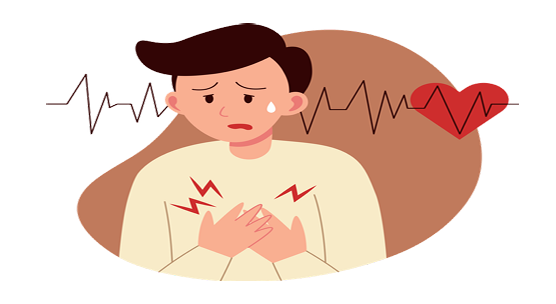
First, let’s quickly break down what’s happening when you experience AFib. For those of you who aren’t familiar, AFib is when your heart’s rhythm gets out of sync, often beating irregularly and much faster than usual. This can make you feel like your heart is racing, fluttering, or skipping beats. Some people might also feel dizzy, short of breath, or just plain tired. And while AFib can feel scary, the good news is that there are ways to manage it, even when you’re in the middle of a party or a meeting.
>>Click here for my FREE Pdf on the Top 10 Foods to Avoid on AFIB<<
When you know what AFib feels like and understand the triggers that can set it off, you can start preparing for those moments ahead of time. And trust me, that’s the key to handling it smoothly in social situations.
Strategies for Managing AFib Discreetly
1. Preparation is Everything
When it comes to AFib, preparedness is your best friend, which is among the most significant lessons I’ve learned. I always make sure I’m prepared for anything that can come up before I go to a social gathering. Having ready access to water and carrying any drugs I might need in an emergency, such as a tablet to lower my heart rate, is necessary. Additionally, I explore the location ahead of time so that I am aware of any exits, restrooms, or quiet spots in case I need to leave.
Another great idea? Letting one trusted friend or family member know about your AFib. This way, if you start to feel off, they’re ready to help without making a big deal about it. Sometimes, just knowing someone’s got your back can help ease any anxiety you might feel about having an episode in public.
2. Watch Out for Triggers
Everybody has specific factors that can cause an episode of AFib. Caffeine, alcohol, and even stress from being in a busy, noisy place are usually the culprits for me. I’ve become more aware of how my body responds to various situations over time, and I make an effort to stay away from those triggers whenever I can.
For example, during a party, I might choose something non-alcoholic to replace a glass of wine or coffee. And I’ll take a little break if the mood becomes a bit too much to handle — more on that in a moment! Maintaining your heart stable and your mind at ease can be achieved by being aware of your triggers and avoiding them as much as you can.
3. Use Deep Breathing to Stay Calm
One of my favorite techniques is to breathe deeply. I will begin doing some basic breathing exercises to assist calm my heart and mind if I feel an AFib episode coming on. It’s quite simple to perform and may be done undetected!
This is how it works: take a slow, four-second breath in via your nose, hold it for an additional four seconds, and then slowly release the breath through your mouth. I’ll keep saying this till I feel more rooted. It makes me feel calmer and lowers my heart rate. Moreover, it’s so subtly done that nobody nearby even realizes I’m doing it!
4. Move Slowly and Subtly
If I start feeling dizzy or lightheaded during an AFib episode, standing up too quickly can make things worse. Instead, I move slowly and deliberately. Sometimes, I’ll take a gentle walk to a quieter part of the room or even find a spot to sit down.
One trick I’ve found is to engage in subtle movements like shifting my position or stretching my legs. This helps improve blood flow and can sometimes reduce the dizziness or lightheadedness. But the key here is to keep it low-key — no sudden movements that might draw attention.
5. Excuse Yourself Gracefully
Sometimes, despite your best efforts, the symptoms persist. When that happens, I politely excuse myself from the conversation and find a more comfortable spot. It can be as simple as saying, “I just need a minute to catch my breath,” or “I’ll be right back.” Most people won’t think twice about it, and it gives you the space you need to manage your symptoms without anyone worrying.
6. Stay Hydrated
Water is your best friend when you’re managing AFib, especially during social events. I always make sure to have a glass of water with me, and if I start feeling symptoms, I’ll quietly sip some water to stay hydrated. It helps with symptoms like dry mouth or mild dizziness and gives you something to do if you’re feeling anxious.
I’ve found that drinking water during conversations can be a great way to stay discreet, and it also helps me feel more in control of the situation.
7. Use Technology to Stay in the Know
These days, you can monitor your heart without drawing attention to it thanks to the abundance of smart devices available. My heart rate is monitored by a smartwatch that I wear, and it will alarm me if my heart begins to race. I can monitor my pulse manually and know exactly what’s going on with my body this way. Furthermore, I only need to peek at my wrist to monitor my heart health — no one else in the area is aware of it!
Get a covert heart rate monitor if you’re concerned that social events can trigger AFib bouts. It can make you feel more in control and offer you peace of mind.
8. Communicate When You Need To
If you feel comfortable, it’s a good idea to let close friends or family members know about your AFib ahead of time. You don’t have to go into all the details — just letting them know you have a heart condition and might need to step away for a few minutes is usually enough. This way, if you do need to excuse yourself or if things get worse, they can support you without making a big scene.
In some cases, having someone who understands what you’re going through can make all the difference. They can help you stay calm and ensure you get any assistance you need if the situation escalates.
9. Have an Exit Strategy
Finally, it’s always a good idea to have an exit strategy in case your AFib episode gets worse or lasts longer than expected. Before I go anywhere, I familiarize myself with the layout of the venue. That way, I know where the exits are, where the restrooms are, and where I can find a quiet space to regroup.
If you feel an episode coming on and it’s not going away, having a clear path to step away or leave entirely can help reduce stress and allow you to handle the situation more calmly. You’ll feel much more confident knowing you have a plan in place.
>>Click here for my FREE Pdf on the Top 10 Foods to Avoid on AFIB<<
Conclusion
Living with AFib doesn’t mean you have to avoid social situations or constantly worry about having an episode in public. With a little preparation and some simple strategies, you can manage your symptoms discreetly and confidently. Whether it’s using deep breathing, staying hydrated, or having an exit plan, these tips have helped me time and time again, and I’m confident they can help you too.
Remember, you’re not alone in this journey. There are millions of people living with AFib, and with the right mindset and tools, you can still enjoy your life without letting your heart condition hold you back.
If you found this information helpful, make sure to share it with someone who might need it. And don’t forget to subscribe for more tips and advice on living well with AFib! The AFIB Hack Youtube Channel — https://www.youtube.com/@EricPadro/videos
Stay healthy, stay prepared, and take care of your heart.
메타데이터
- post_id
- 5c5cedcbeb0f
- slug
- how-i-manage-an-afib-episode-in-social-situations-without-causing-alarm-5c5cedcbeb0f
- url
- https://medium.com/@eizzardsr75/how-i-manage-an-afib-episode-in-social-situations-without-causing-alarm-5c5cedcbeb0f
- canonical_url
- https://medium.com/@eizzardsr75/how-i-manage-an-afib-episode-in-social-situations-without-causing-alarm-5c5cedcbeb0f
- author_url
- https://medium.com/@eizzardsr75
- status
- ok
- fetched_at
- 2026-06-21 21:05:38