Decade Chasers, Pt. 1
Destroyer — Kaputt
Decade Chasers, Pt. 1

Destroyer — Kaputt
January 2011
British Columbia Highway 99 begins in Peace Arch Park, a coastal border crossing between Washington State and Canada, and terminates some 254 miles away after winding through a mountain range. Because it runs from sea level to 4,183 feet at its peak, the route is better known as the Sea to Sky Highway, offering views of the Howe Sound’s dramatic fjords that have earned it a spot on several “most scenic drives” lists.
Spoiled as I was by rocky Pacific Northwest island landscapes while growing up amidst one, I don’t recall being particularly stunned by the Sea to Sky during childhood. My memories of early drives along the coast amount to reading Lord of the Rings, trying in vain to drown out the sound of my parents’ Lyle Lovett CD with the blissful escape of sleep, and my dad steadfastly committing to a “shortest distance between two points is a straight line” philosophy on 99’s terrifying tight curves. But on a January evening when I was 20, I travelled the same route with my family, and I’ll never forget it. I have a few guesses as to why:
- We were driving north-to-south, which dictated that my spot in the Nuclear Family Car Seating Chart (tallest child sits behind the shortest parent) was on the coastal side.
- It was sunset.
- It was perfectly clear, a rarity for the Northwest in January.
- I was older, and therefore a little more capable of appreciating natural beauty.
- I was 18 months into a six-year stint living in New York City, and the absence of Pacific Northwest island landscapes perhaps made my heart grow fonder of them.
- I had headphones, sparing me another Lyle Lovett circa ~2002 moment.
- I had just downloaded the album Kaputt by Destroyer, and I pressed play just as the Squamish River opened up into the Howe Sound.

Now, I spend a possibly unhealthy amount of time listening to new albums for the first time, and also seeking albums to heighten the experience of natural grandeur, but in the years before and since, I’ve never had an experience-heightening first listen that’s pierced through the mundanity of life like this (Honorable mentions include listening to Joyce Manor’s self-titled debut while walking through snowy woods, The Avalanches’ Since I Left You while climbing a small random hill I found while running in Central Washington, and Lorde’s Melodrama on the couch at 2 AM — the last of these standing out for the sheer blandness of the setting).
Now, I may belong to the specific class of egotists who enjoy making lists and ranking music, but I would never make something as absurd as a Best Albums for Scenic Drives list. That’s out of the realm of possibility, but in the event that I did succumb to that sort of pompous sentimentalism (or was paid handsomely to do so), even further out of the realm of possibility is a scenario in which I place Kaputt on that list.
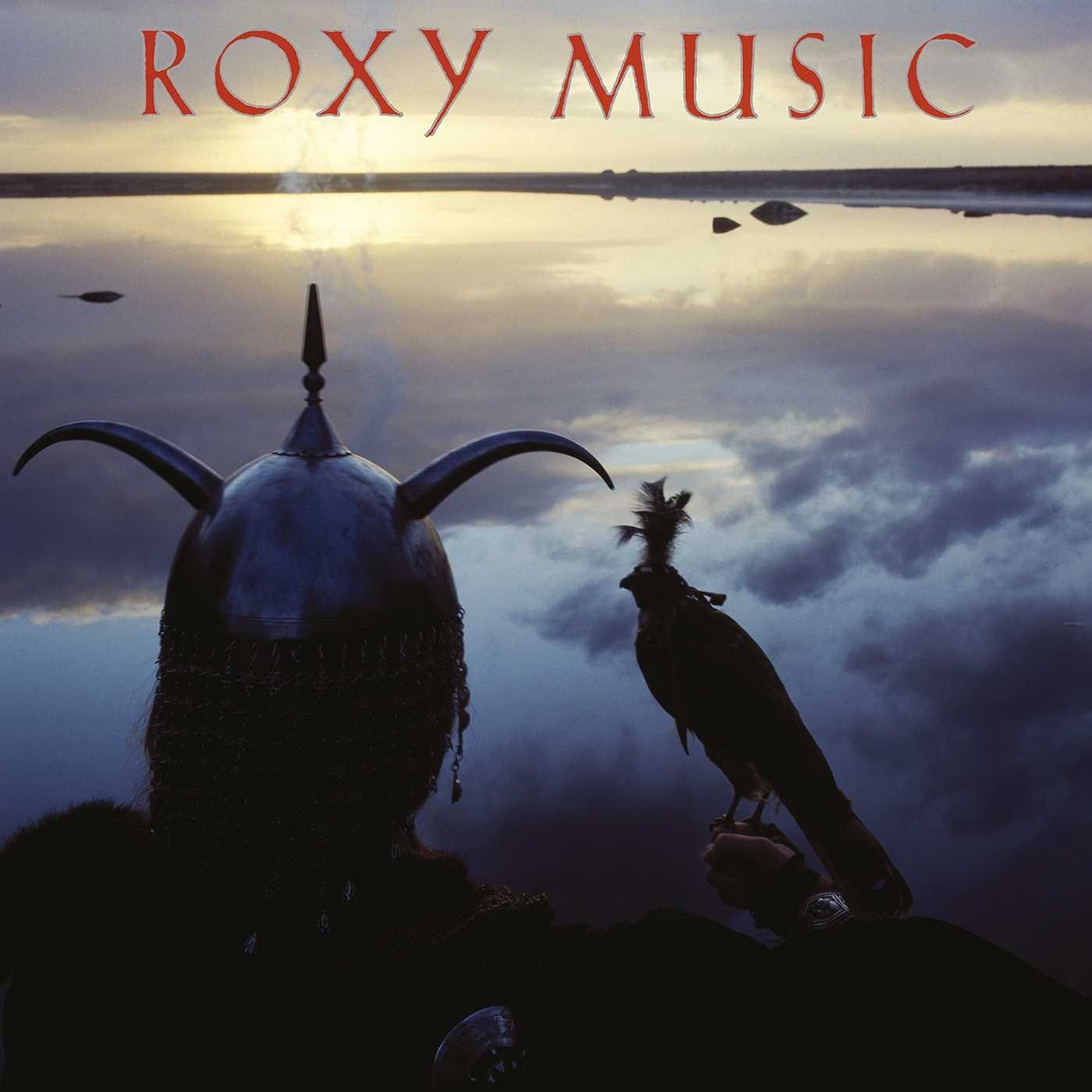
Kaputt is very much an urban album. Dan Bejar, the sole consistent member of Destroyer from 1995 to present, sings about Chinatown, the opera, the club, New York City, downtown — the most frequent mention of anything nature-related is “the park.” But lyrics, especially in Bejar’s case, aren’t always face-value approximations of a song’s theme, and certainly not of its sound. Kaputt drastically departed from the more rough-hewn, rock and/or folk-adjacent albums in Destroyer’s past, opting for something smoother. At the time, I didn’t have much familiarity with (or fondness for) the sonic reference points Bejar’s cited for Kaputt — mostly jazzy, synth-heavy ’80s “sophisti-pop,” namely Roxy Music’s similarly glossy Avalon — but I could still tell that it was more like music for rain-slicked city streets or dimly-lit lounges than plunging cliffsides or many-hued sunsets. Yes, Kaputt’s album art is a photo of Bejar just a hundred or so miles south from my vantage point(s), on a hill facing north towards Vancouver and the exact same, Highway 99-adjacent mountain range, but A) I had no idea at the time and B) that’s a fairly tenuous connection to draw (come to think of it though, Avalon’s cover also has someone overlooking an island-filled landscape).
I’d be lying if I said there weren’t aspects of Kaputt that would’ve thrilled me at any point during my post-adolescence — some of Bejar’s heavily referential lyrics (“Let’s face it, old souls like us have been born to die / It’s not a war ’til someone loses an eye”) and his band’s atmospheric swag are undeniably cool — but what struck me and confused me about the album was its ability to make lame and/or douchey things alluring. One example: for reasons mostly Springsteen and Men At Work-based, I despised the saxophone at age 20. That’s changed, in no small part because of Kaputt, Bon Iver’s second album, and M83’s “Midnight City,” the three horsemen of the 2011 sax-pocalypse.
But the aspect of Kaputt that’s the most at odds with scenic vistas is also what first caught my attention. Bejar’s always been a prickly lyricist, an erudite and sarcastic observer of the human experience, but he pitched it up a notch for Kaputt, fully leaning into the album’s seedy vibe. He’s not as wordy as he tends to be when it’s just him and an acoustic guitar, and the way he peppers his biting language throughout the album intrigued me to no end. It’s like meeting someone for the first time, and they’re very drunk and maybe staring into their drink more than talking, but they’re still a magnetic presence, tossing off dark profundities with sporadic timing.
“The wind and the rain, to you detriment you tried to explain,” Bejar sings on Kaputt opener “Chinatown” with the air of someone who knows more than you do addressing someone who’s biting off more than they can chew. “You can’t believe, though I’m sure somebody said it before: I know you and I know the score,” he winks, before ever so slightly letting his guard down to close out the song: “I can’t walk away.” Then again, he continues, “You can’t walk away” either.
This is not the broad strokes, high drama stuff that great “landscape music” is made of. This is the bitter nitpicking of someone who possesses more sentimentality than they’d care to admit. This is disaffected, middle-aged novelist shit, not 20-year-old-stares-at-mountainous-islands shit. And yet, Kaputt hit me at the moment that it did, and will forever be lodged next to a breathtaking sunset in my mind, despite the hundreds of ensuing times I’ve listened to it.
[embed]
메타데이터
- post_id
- 5c77bfca8224
- slug
- decade-chasers-pt-1-5c77bfca8224
- url
- https://medium.com/@p-lyons/decade-chasers-pt-1-5c77bfca8224
- canonical_url
- https://medium.com/@p-lyons/decade-chasers-pt-1-5c77bfca8224
- author_url
- https://medium.com/@p-lyons
- status
- ok
- fetched_at
- 2026-07-29 08:30:22




