Five Reasons You Should Support the Movie ‘Chardi Kala’
I watched Chardi Kala yesterday, and as a sincere supporter of Punjabi cinema, I have only one thing to say:
Five Reasons You Should Support the Movie ‘Chardi Kala’
I watched Chardi Kala yesterday, and as a sincere supporter of Punjabi cinema, I have only one thing to say:
If we cannot find the time or willingness to support films that tell Sikh and Punjab’s stories, yet continue to fill theatres for disposable entertainment, then we should not be surprised when our history, struggles, and voices disappear from the screen — and from the consciousness of our youth.
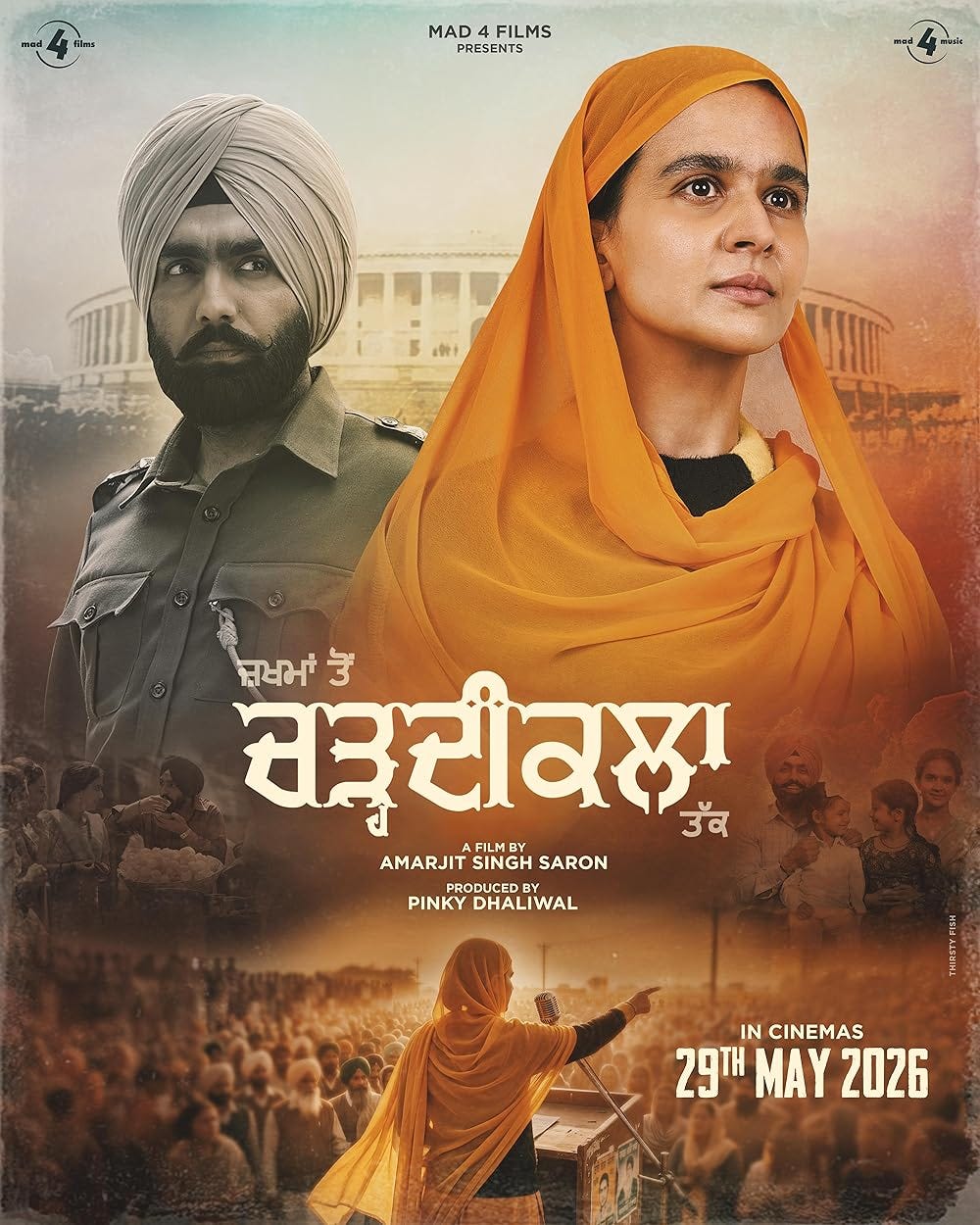
This film is every bit as important as Punjab 95. Actress Roopi Gill has shattered a glass ceiling with her portrayal of Bibi Bimal Kaur Khalsa, and I genuinely believe that if you have a daughter, you should take her to see this film.
I am not going to review the movie or give it a rating. I will simply say that it surpassed my expectations. In fact, I regret not watching it sooner because I would have encouraged others to see it much earlier.
Following its showcase at the 2026 Cannes Film Market (Marché du Film), Chardi Kala became a landmark moment for Punjabi cinema. The film tells the story of Bibi Bimal Kaur (wife of Shaheed Beant Singh) and her journey following the tragic events of 1984. By bringing an authentic story of Sikh resilience to a global audience, it stepped beyond the traditional boundaries of Pollywood and earned international recognition.
The film’s reception has been as remarkable. While Punjabi audiences across the diaspora embraced it, its subject matter attracted controversy and censorship in India. That contrast alone tells us why films like this matter.
I know there has been opposition to this film from within the Sikh community, even before the Indian government moved to ban it. While I respect differing opinions, I have one request: before taking to social media or the streets to criticize the film, watch it yourself.
Too often, we end up doing the government’s work for it. If the state wants certain chapters of history forgotten, why are we helping silence conversations about them before even engaging with the material ourselves?
Here are my five reasons for supporting this film.
1. Our Youth Need History in a Format They Will Consume
The reality is that most young people do not read history books.
Five years ago, I wrote a book on Jaswant Singh Khalra. Yet more people became aware of Khalra’s life, his work, and the issue of enforced disappearances after the announcement and publicity surrounding the ban of Punjab 95 than through many years of writing and discussion.
It is simply the reality of the age we live in.
Cinema has become one of the most powerful educational tools available. If we want younger generations to understand the history of Punjab, human rights abuses, disappearances, and the sacrifices made by those who came before them, we also need to also tell those stories in ways they are willing to consume.
Films like Chardi Kala serve that purpose.
2. Our Girls Need Role Models
One of the film’s greatest strengths is its portrayal of Bibi Bimal Kaur Khalsa.
Too often, Sikh history and Sikh struggle are presented as male-centered stories. We celebrate the men who fought, led, and sacrificed, while the women who carried immense burdens and yet provided leadership are often overlooked. This film changes that.
We see a young Sikh woman confronted with tragedy who refuses to surrender to fear. We see resilience and the pursuit of justice. We see a young widow raising children while standing up to powerful institutions during one of the darkest periods in Punjab’s history.
If you have a daughter, take her to watch this film. She deserves to see that Sikh women have never been passive participants in our history. They have been leaders, advocates, warriors, and changemakers.
Bibi Bimal Kaur Khalsa’s story is one that every young Sikh girl should know.
3. Authenticity Matters
In a world obsessed with makeup, filters, cosmetic perfection, and carefully manufactured appearances, Roopi Gill’s portrayal feels like a breath of fresh air.
She appears in her natural Sikh form. Her natural beauty is allowed to exist without being hidden beneath layers of glamour or artificial enhancement. Her face is not stripped of any natural hair that we see as a standard for all actresses. Her appearance defies commercial beauty standards and shows that beauty is in strength, intelligence, and confidence. That may seem like a small thing, but it is not.
We live in an era where young girls are constantly bombarded with unrealistic standards of beauty. Seeing a leading actress portray strength, dignity, and grace while remaining authentic to the character and her Sikh identity sends a powerful message.
As a Sikh mother of a teenager, I found it one of the most refreshing aspects of the film.
4. We Get the Industry We Support
If we do not support films like this, the industry will continue giving us exactly what we demand. We complain about repetitive, senseless comedies. We complain about shallow storytelling. We complain about the objectification of women and about Sikh characters being reduced to stereotypes and punchlines.
Yet meaningful cinema can only survive if audiences support it.
Every ticket purchased for a film like Chardi Kala sends a message to producers, directors, and investors that there is an audience for stories with substance, history, and purpose.
If we want better cinema, we have to support better cinema.
5. If We Don’t Tell Our Stories, Who Will?
Many Sikh youth know little about the events that form the backdrop of this film. Parents often avoid discussing these subjects. Schools rarely teach them in any meaningful depth. Mainstream media and news frequently present history from the perspective of the state.
Whether one agrees with every aspect of the film or not, it addresses a chapter of history that deserves discussion. Many Sikhs refer to this period as the third Sikh genocide. Yet countless young people have never even heard the term.
How can they engage with their history if nobody is willing to tell them about it?
If our families are not talking about these issues, if our schools are not teaching them, and if mainstream media is not interested in telling these stories, then films become one of the few remaining avenues through which historical memory can survive.
That alone makes Chardi Kala worth supporting.
Final Thoughts
Chardi Kala is a story about resilience and memory. It is a story about a Sikh woman who refused to be broken by circumstances that would have crushed most people, and alongside raising her three children, she embraces the pains of Punjab and fights for it.
You do not have to agree with every interpretation presented in the film. You do not even have to like it. Critique or condemn it if you must. But first, see it for yourself.
Our stories cannot survive if we refuse to support those willing to tell them.
A children’s author, environmentalist, and champion of the Punjabi language, Gurmeet Kaur strives to weave stories and actions that unite humanity and celebrate our shared responsibility to one another and the planet.
ਗੁਰਮੀਤ ਕੌਰ ਦੇਸ ਪੰਜਾਬ ਦੀ ਬੋਲੀ, ਵਿਰਾਸਤ ਤੇ ਵਾਤਾਵਰਨ ਨੂੰ ਸੰਭਾਲਣ ਲਈ ਸਮਰਪਿਤ ਹੈ। ਇਹ ਮਰਜੀਵੜਾ ਜਸਵੰਤ ਸਿੰਘ ਖਾਲੜਾ ਅਤੇ ਸੋਹਣੇ ਪੰਜਾਬ ਦੀਆਂ ਮੋਹਣੀਆਂ ਬਾਤਾਂ ਪੁਸਤਕ ਲੜੀ ਦੀ ਲੇਖਕਾ ਹੈ। ਇਹਦਾ ਧਿਆਨ ਸੱਚ-ਬਿਆਨੀ, ਭਾਸ਼ਾ ਦੀ ਪੁਨਰਜਾਗਰਤੀ, ਪੰਥ ਅਤੇ ਜਗਤ ਵਿਚ ਇਖ਼ਲਾਕ ਤੇ ਇਤਫ਼ਾਕ ਦੀ ਸਿਰਜਣਾ ਉੱਤੇ ਟਿਕਿਆ ਹੈ।
메타데이터
- post_id
- 5ce87f514437
- slug
- five-reasons-you-should-support-the-movie-chardi-kala-5ce87f514437
- url
- https://medium.com/@gurmeetkaur/five-reasons-you-should-support-the-movie-chardi-kala-5ce87f514437
- canonical_url
- https://medium.com/@gurmeetkaur/five-reasons-you-should-support-the-movie-chardi-kala-5ce87f514437
- author_url
- https://medium.com/@gurmeetkaur
- status
- ok
- fetched_at
- 2026-06-21 12:17:11