Evaluating Hibiscus Quality: What Buyers Should Look For
Hibiscus is widely traded across international markets, but not all batches offer the same level of usability. For buyers and…
Evaluating Hibiscus Quality: What Buyers Should Look For
hibiscussupplier.com
Hibiscus is widely traded across international markets, but not all batches offer the same level of usability. For buyers and manufacturers, understanding how to evaluate quality is essential to ensure consistent production results. Scientifically known as Hibiscus sabdariffa, hibiscus is valued for its natural color, acidity, and ease of application but these qualities depend heavily on how the product is sourced and handled.
A structured approach to quality assessment helps reduce risk and improve reliability.
Visual Inspection
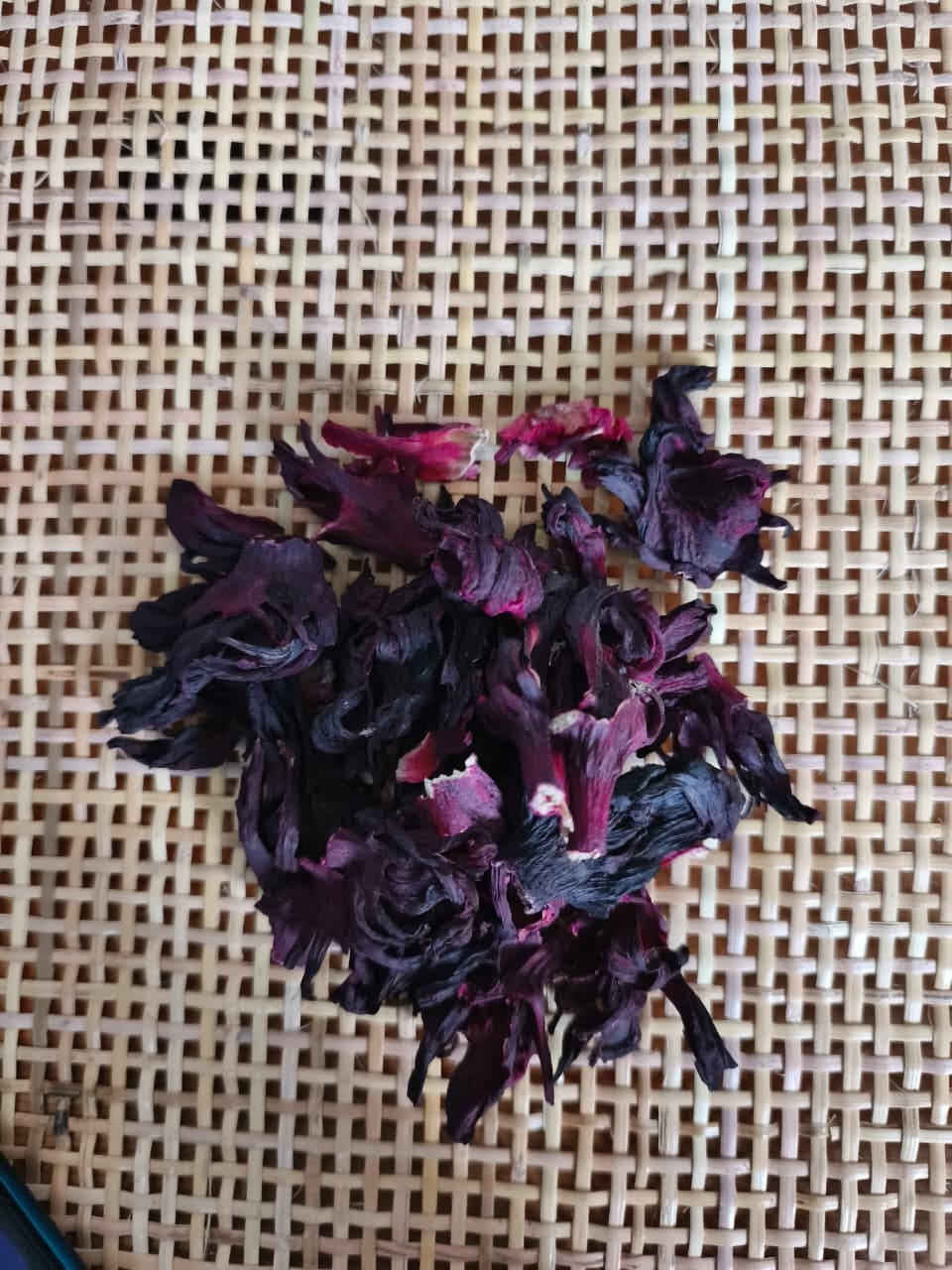
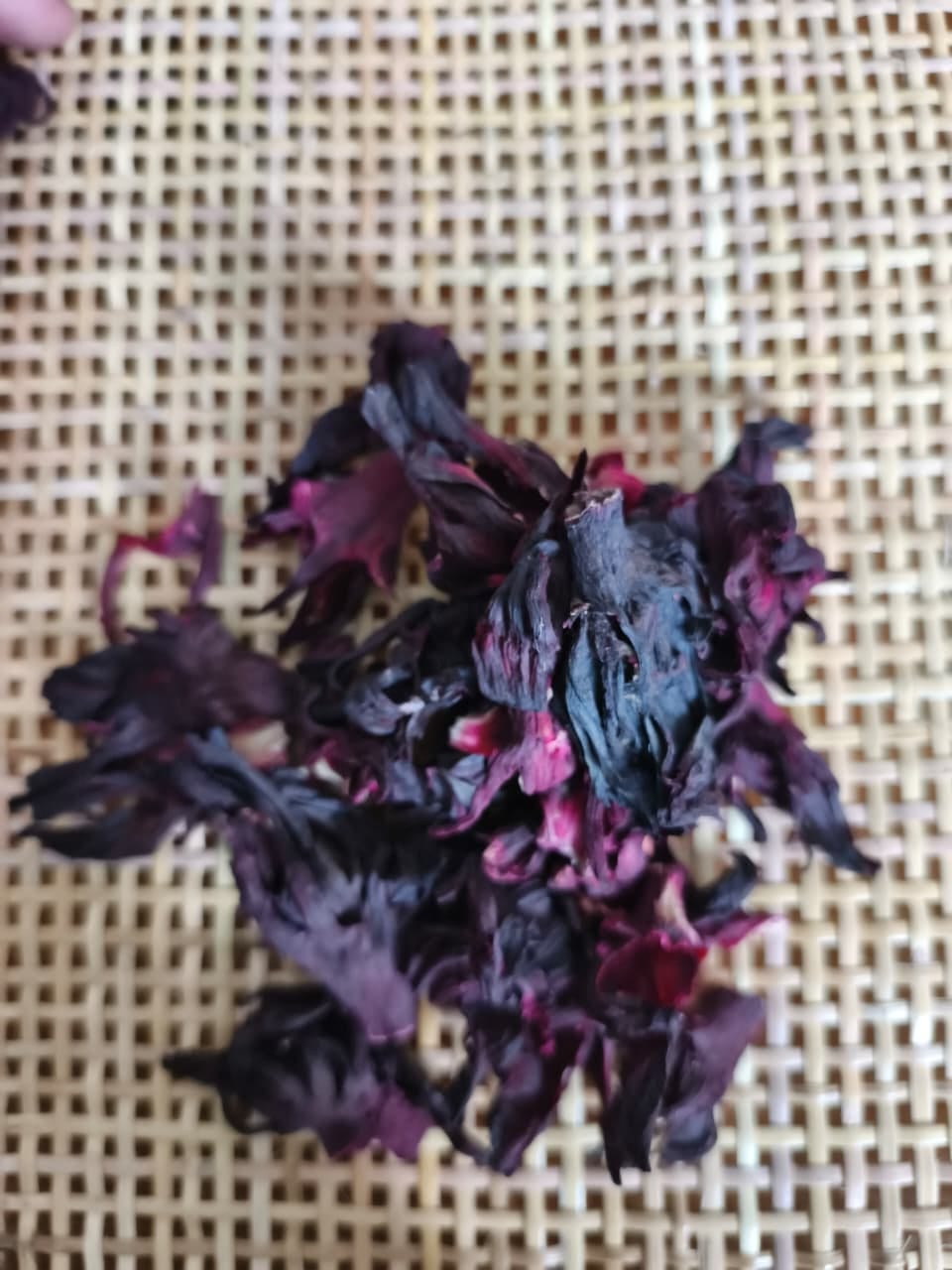
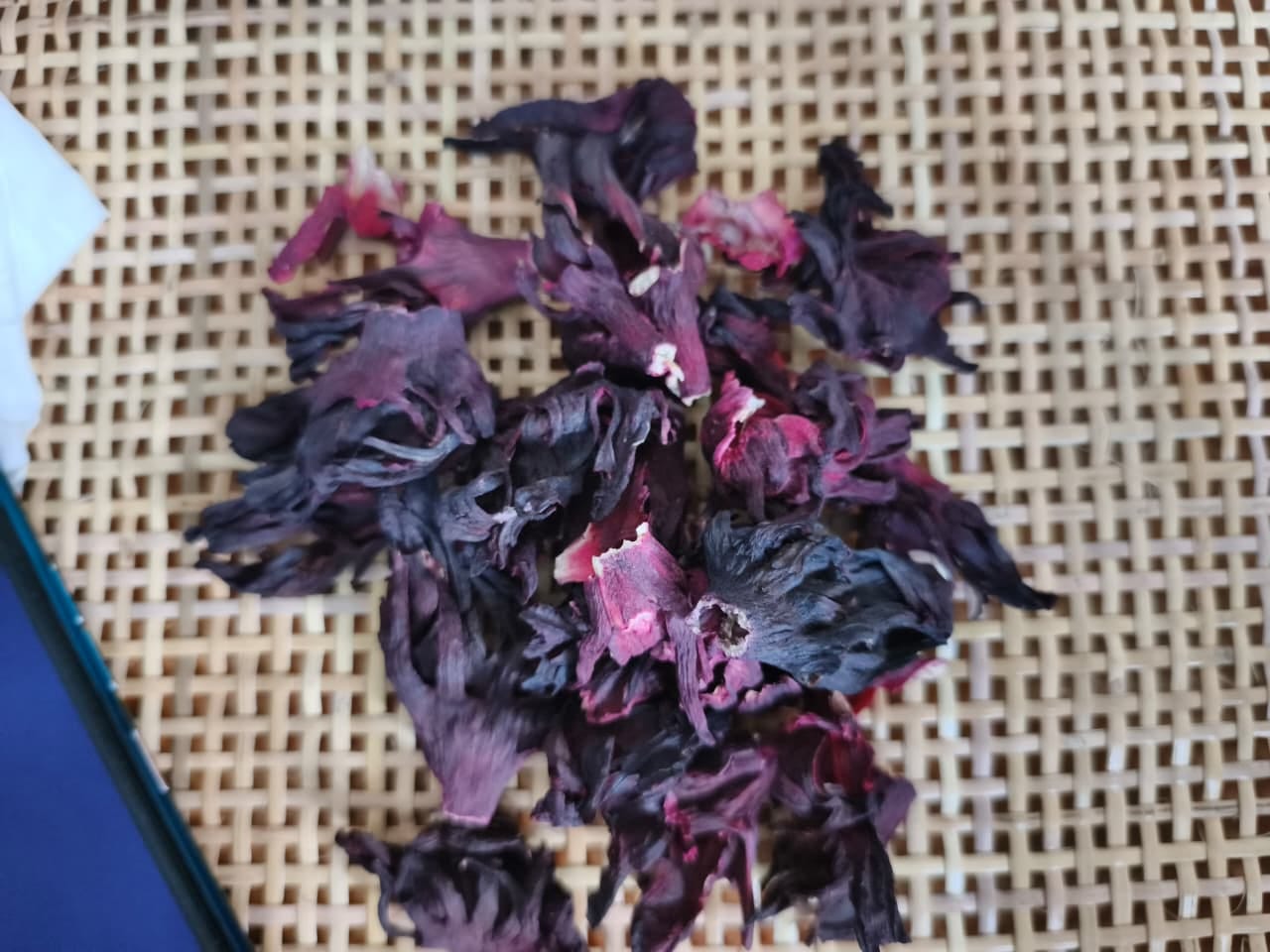
The first step in evaluating hibiscus is simple observation:
- Deep red color usually indicates proper maturity and drying
- Uniform calyces suggest consistent sorting
- Minimal foreign matter reflects good handling practices
Visual quality often gives an immediate indication of overall condition.
Moisture Content
Moisture plays a critical role in product stability:
- Low moisture helps prevent mold and spoilage
- Over-dried product may become brittle and lose usability
- Balanced drying ensures both safety and functionality
Proper moisture levels support longer shelf life.
Cleanliness and Purity
Clean hibiscus is essential for safe and efficient use:
- Free from dust, stones, or contaminants
- Properly sorted to remove unwanted particles
- Handled under hygienic conditions
This reduces the need for additional processing.
Aroma and Freshness
Hibiscus should have a natural and mild scent:
- A clean, slightly tart aroma is typical
- Unusual or strong odors may indicate poor storage
- Freshness often reflects proper post-harvest handling
This factor is especially important for beverage applications.
Consistency Across Batches
For regular buyers, consistency is key:
- Similar color and size across shipments
- Stable performance in production
- Reliable supply from the same source
Consistency reduces production adjustments.
Application Readiness
High-quality hibiscus should be easy to use:
- Suitable for direct infusion or extraction
- Compatible with different production scales
- Requires minimal additional cleaning
This improves efficiency during manufacturing.
Conclusion
Evaluating hibiscus quality involves more than appearance it requires attention to moisture, cleanliness, and consistency. Buyers who apply these checks are better positioned to secure reliable supply and maintain product standards.
Ziha Universal Company Nig Limited supplies hibiscus with attention to these practical quality factors, supporting consistent use across different market needs.
메타데이터
- post_id
- 5d03c4289f3e
- slug
- evaluating-hibiscus-quality-what-buyers-should-look-for-5d03c4289f3e
- url
- https://medium.com/@hibiscussupplier/evaluating-hibiscus-quality-what-buyers-should-look-for-5d03c4289f3e
- canonical_url
- https://medium.com/@hibiscussupplier/evaluating-hibiscus-quality-what-buyers-should-look-for-5d03c4289f3e
- author_url
- https://medium.com/@hibiscussupplier
- status
- ok
- fetched_at
- 2026-07-24 12:20:12