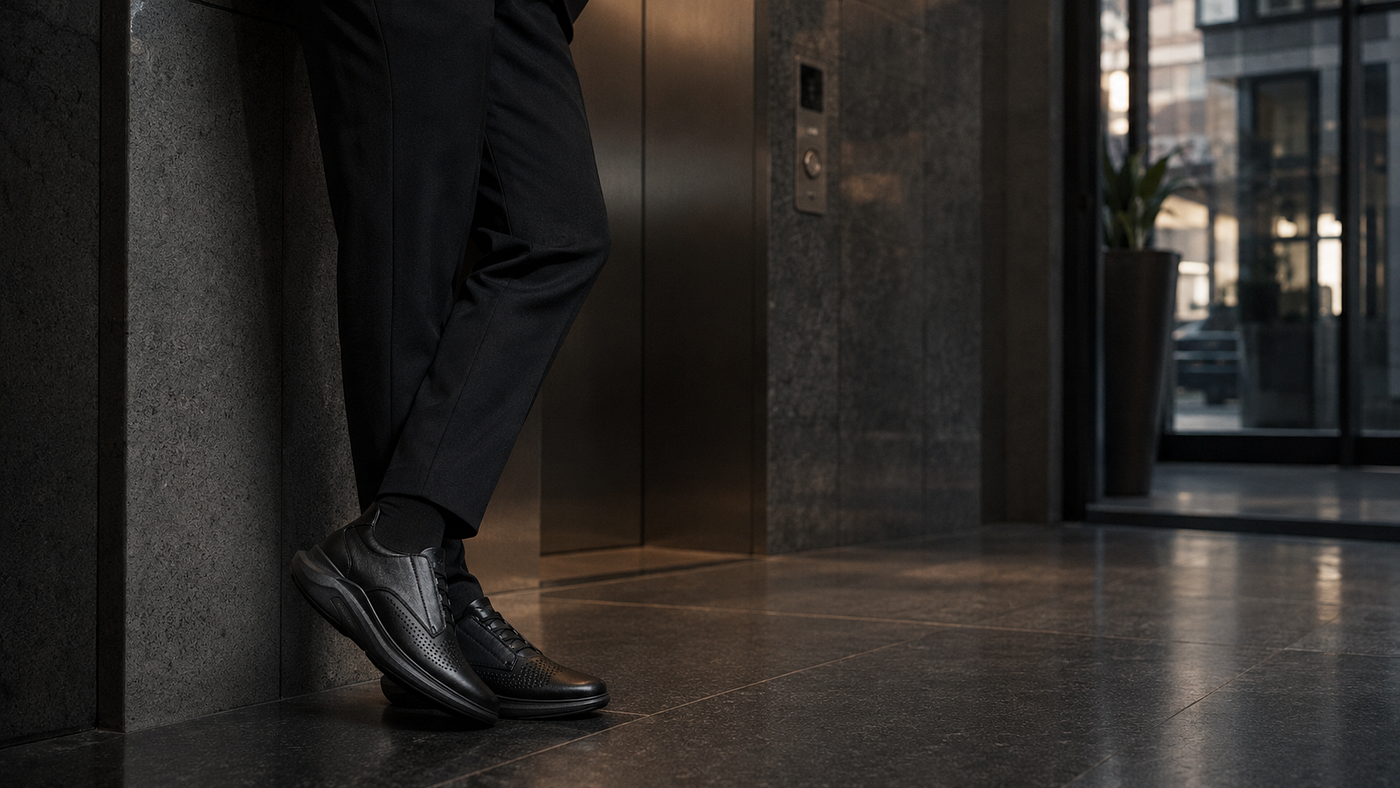
Why Some Dress Shoes with Arch Support Still Feel Unstable
People see the words arch support and assume the problem is solved.
Why Some Dress Shoes with Arch Support Still Feel Unstable

People see the words arch support and assume the problem is solved.
Honestly, I get it. On paper, it sounds like enough. If a dress shoe says it has support under the arch, most people expect it to feel more secure, less tiring, maybe just better over a long day.
But that’s not always what happens.
Some dress shoes with arch support still feel unstable because support is not just about whether something is there. It’s also about where it sits, how it’s shaped, how it connects to the rest of the platform, and whether the whole shoe behaves like one system or just a few comfort features stacked together.
That last part matters more than people think.
A lot of supportive dress shoes are still built from the top down. There’s a shaped insole, maybe a memory-foam layer, maybe a little rise under the arch, and that becomes the whole comfort story. You step in, it feels fine. Sometimes pretty nice, actually. But once you start walking on hard floors, or doing the usual workday loop of standing, walking, waiting, more walking, the platform underneath can still feel vague.
That’s usually where the instability shows up.
The foot doesn’t really care whether a shoe claims support. It reacts to how clearly the platform handles load. If the heel feels loose, if the arch area feels separate from the rest of the shoe, if the forefoot transition feels disconnected, the whole thing can still feel a little off. Not dramatic. Just… not settled.
And that unsettled feeling is often what people mean when they say a shoe feels unstable.
This is where structured support starts to matter.
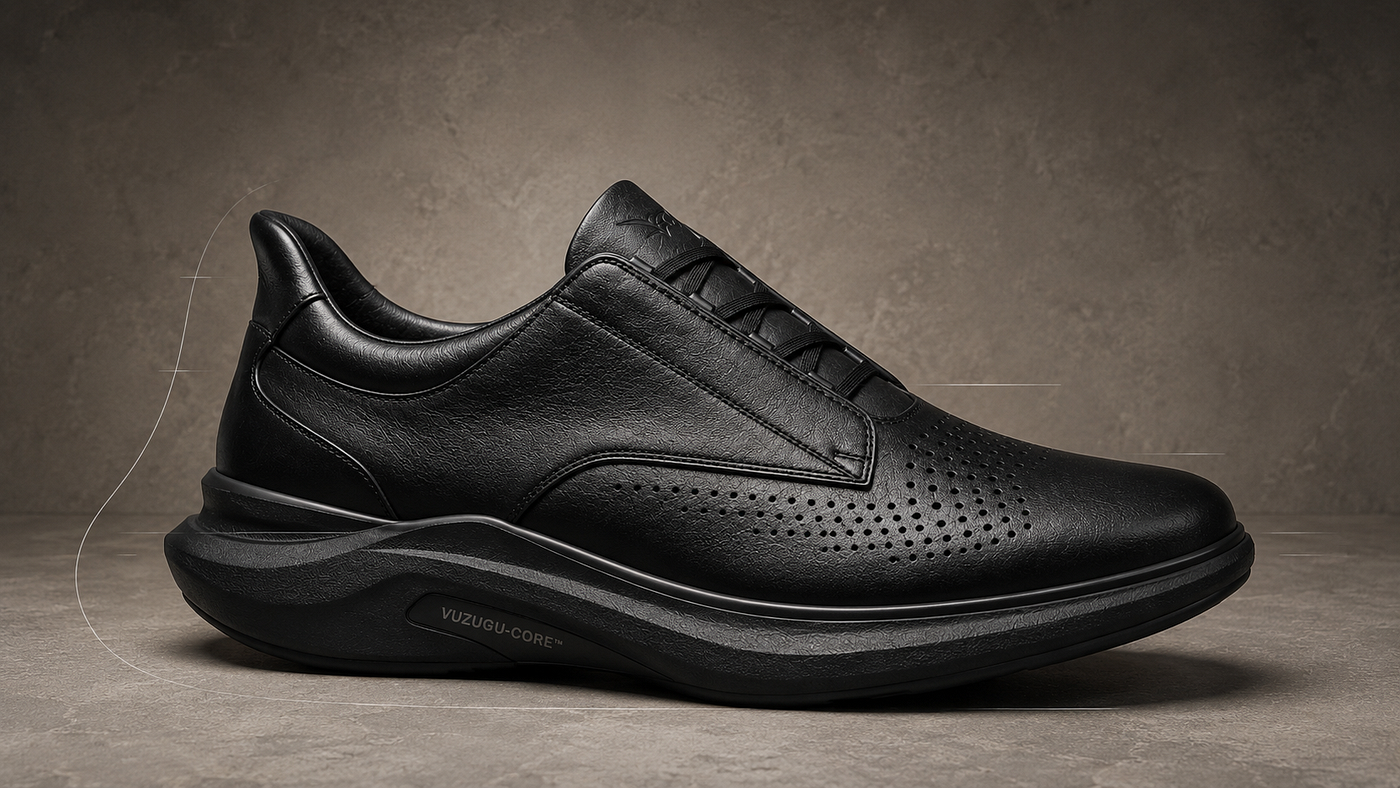
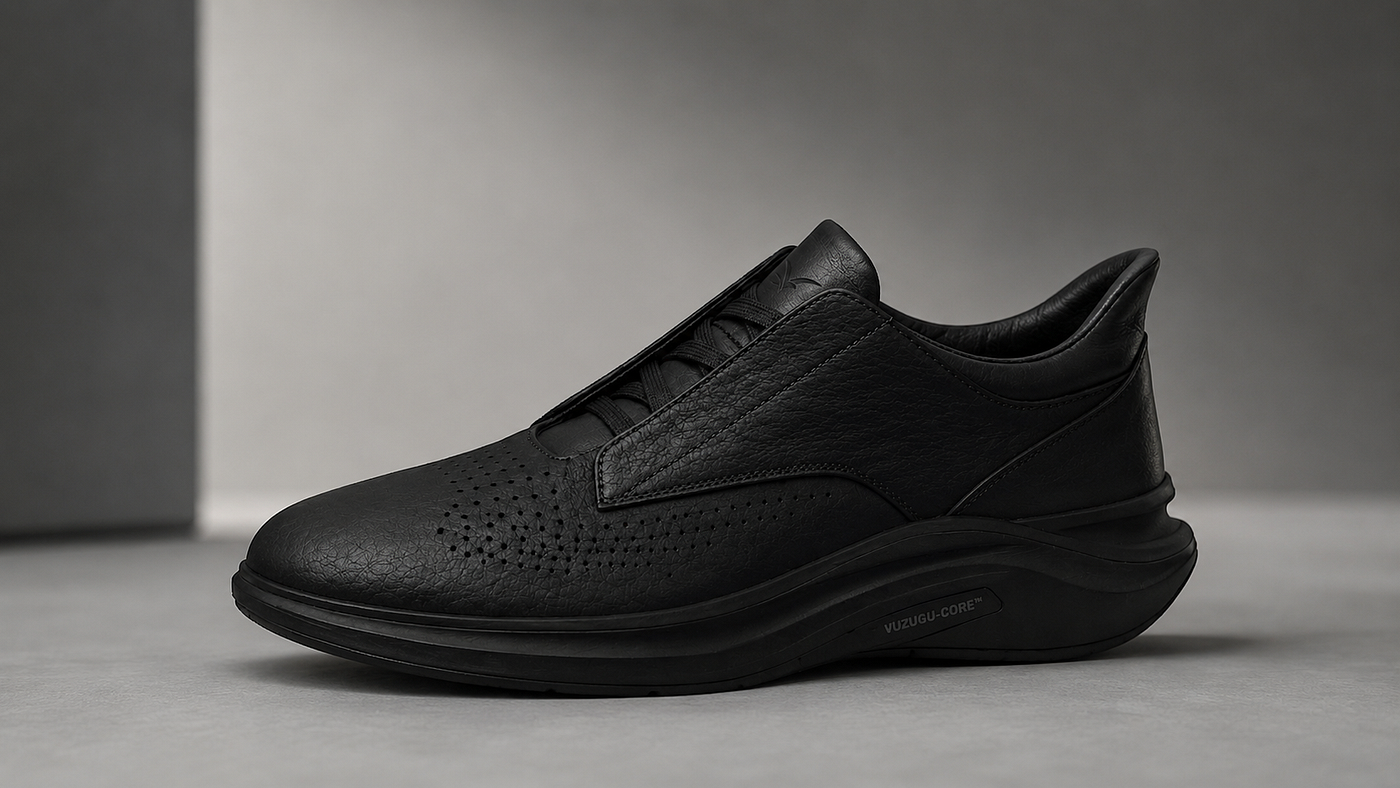
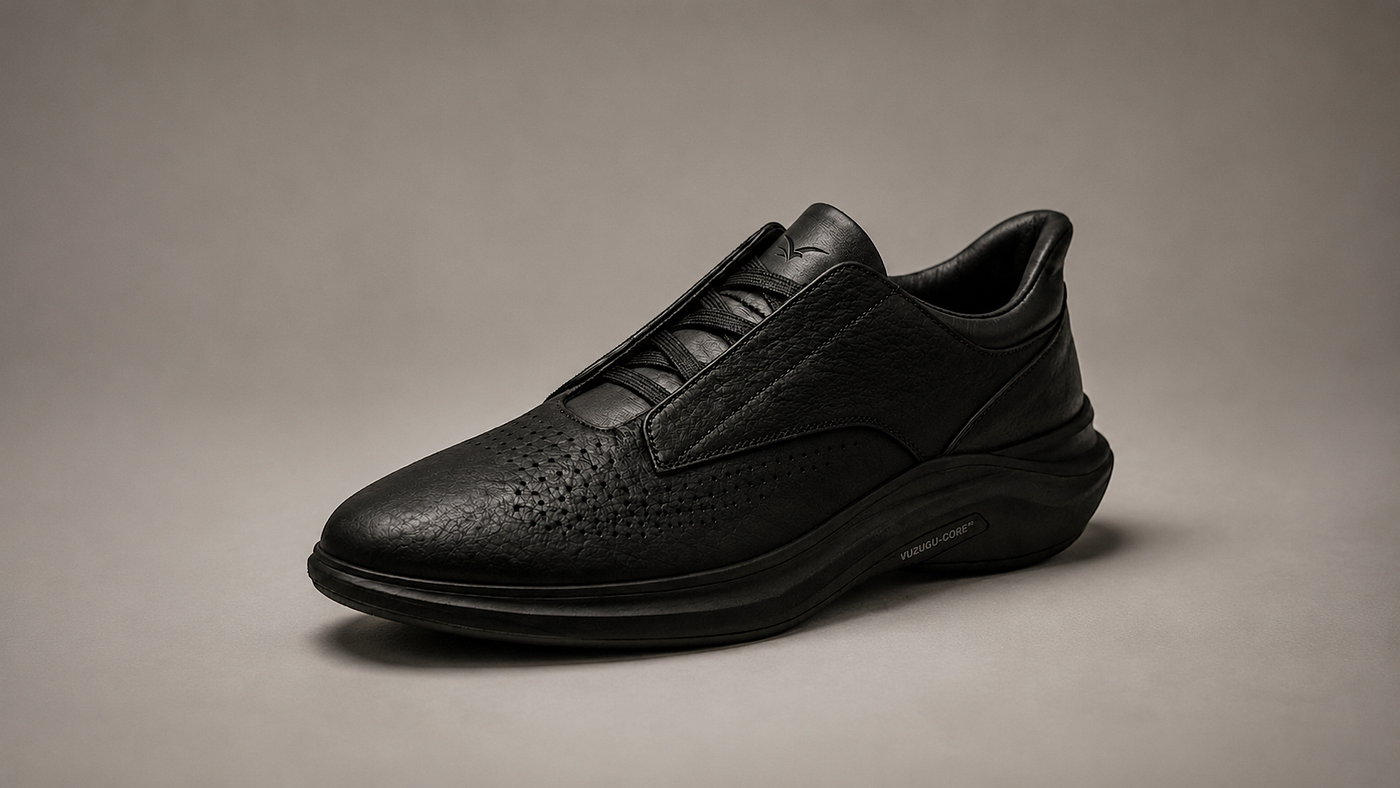
A dress shoe can have arch support and still feel unstable if the support only exists as a layer near the foot. It’s very different when support is built lower into the system — into the actual platform, not just placed on top of it. Once the structure is integrated into the way the shoe receives impact and guides motion, the experience usually changes. The heel lands more cleanly. The arch feels less like an add-on. The step stops feeling pieced together.
That’s why I tend to think supportive dress shoes are often judged too quickly.
If you try them for five minutes, you mostly feel surface comfort. If you wear them for five hours, you start feeling platform logic. And those are not the same test.
This is also why terms like midsole geometry, integrated support, and even systems like VUZUGU-CORE matter more than they first seem. They sound technical, maybe a bit dry. But they’re really just describing a simple thing: whether the support is part of the shoe’s foundation, or whether it’s sitting higher up, trying to fix a platform that never got fully resolved.
A shoe with arch support should not only feel shaped. It should feel settled.
That’s the difference.
메타데이터
- post_id
- 5d1c8b771d50
- slug
- why-some-dress-shoes-with-arch-support-still-feel-unstable-5d1c8b771d50
- url
- https://medium.com/vuzugu-journal/why-some-dress-shoes-with-arch-support-still-feel-unstable-5d1c8b771d50
- canonical_url
- https://medium.com/vuzugu-journal/why-some-dress-shoes-with-arch-support-still-feel-unstable-5d1c8b771d50
- author_url
- https://medium.com/@charlesvalentinesxv
- status
- ok
- fetched_at
- 2026-06-09 15:37:30