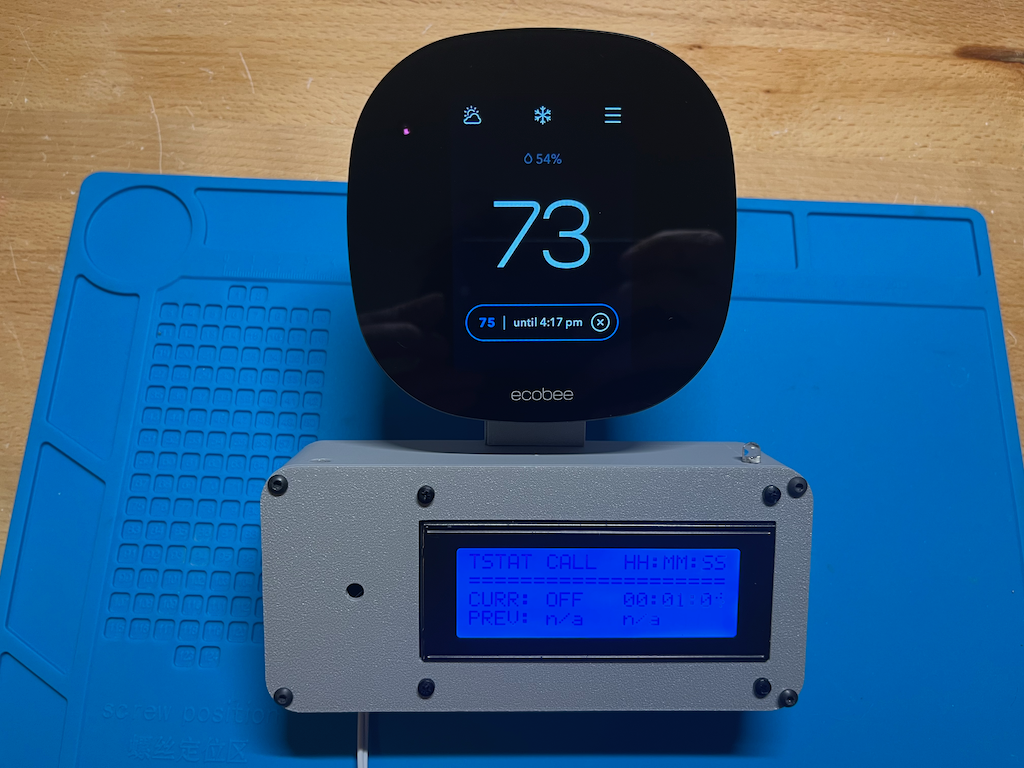
Mini-Split Myths: Do Inverter-Based Models Truly Run Continuously All The Time?
You may have heard that inverter-driven mini-split systems adjust their output gradually, allowing them to operate continuously rather than…
Mini-Split Myths: Do Inverter-Based Models Truly Run Continuously All The Time?
You may have heard that inverter-driven mini-split systems adjust their output gradually, allowing them to operate continuously rather than cycling on and off like traditional HVAC systems.
For example, consider this explanation from Quora:
Inverter air conditioners work smoothly and reach the required temperature gradually. A compressor even not always reaches its rated power. After the air in a room has already cooled/heated to the required temperature, an air conditioner does not turn off, but reduces the power, maintaining the temperature in a room at a given level.
As a result, **there is no constant on/off of a compressor**, which has a beneficial effect on its life durability by 30–50%. Also, this function saves energy by an average of 30% more than non-inverter devices.
https://www.quora.com/How-does-an-inverter-air-conditioner-work
This sounds great in theory, but is it always true? The answer is no — unless specific conditions are met. In reality, when the thermal load (the amount of heating or cooling required) is low, inverter mini-splits behave much like traditional HVAC systems, cycling on and off instead of modulating continuously.
Preamble
Some feedback on Facebook suggested my original discussion lacked context, so I’d like to clarify a few points.
The measurements below were taken from my unit under specific operating conditions, including its programming and the indoor and outdoor temperatures at the time. I am not claiming that all units behave exactly the same under all conditions. For instance, depending on circumstances, a unit may throttle the compressor instead of cycling on and off.
That said, my observations aren’t based on extreme or rare conditions — they reflect normal seasonal temperatures in my area. While this data applies to a specific range of conditions, it challenges broad claims like “inverter-based units always operate in a certain way.” In reality, many models have a minimum output threshold, forcing them to cycle under low thermal loads.
Example Heating Output Ranges (BTU/H):
- **Senville SENA 12K**: 3800–16000
- **Senville SENA 18K**: 11200–19500
- **Mitsubishi 6K Hyper Heat**: 1600–14000 (at 47°F)
- **Mitsubishi 18K Hyper Heat**: 5150–30000 (at 47°F)
If a room’s thermal load is lower than the unit’s minimum output, the system must cycle to maintain a set point. This is a key factor in system selection and sizing — a larger unit with a higher minimum output is more likely to cycle frequently under low loads.
For instance, if you install a Senville 18K in a space where the thermal load rarely exceeds 11,200 BTU, you end up with a glorified single-stage system.
Reality Check: How Does My Unit Work?
I use a Mr. Cool 4th Gen 12K BTU 115V mini-split in my garage, a popular unit manufactured by Midea. Here’s what I observed.
Heat Mode (Follow Me Enabled)
I tested the unit in Follow Me mode with a 68°F set point and tracked the indoor temperature for 24 hours:

The compressor didn’t gradually adjust its power output as claimed. Instead, it cycled on and off, resembling the behavior of a traditional multi-stage system:

Occasionally, the compressor ramped up power mid-cycle, jumping from ~380W to ~550W. But overall, it still cycled on and off rather than running continuously with a variable power level:


The fan kept running between heating cycles, using a baseline 11W of power:

Heat Mode (Follow Me Disabled)
The unit locks in the set temperature almost perfectly in regular heating mode:

I’m unsure whether the unit operates with a smaller heat differential in this mode or if the smaller temperature swings result from measuring the temperature at the IDU. Regardless, it maintains the set point by cycling on and off continuously.

10-minute heating cycles are followed by 10 minutes where the compressor shuts off:

It’s logical that a unit has no alternative but to cycle when the thermal load drops below its minimum heat output. However, witnessing such pronounced short cycling caught me by surprise — I hadn’t expected to see this behavior in a mini-split at all.
Heat Mode (Follow Me Enabled): Lows in the Lower 20s
Finally, let’s take a look at a day with lows in the lower 20s:

The unit runs for longer periods and adjusts the heating output while running:

Zoomed in:

Although the unit adjusts its output as claimed, its behavior is surprising — I did not anticipate its power consumption to oscillate between 400 watts and 1250 watts.
Key Takeaways
- Don’t believe everything you read on the internet.
- Minimum output matters. If your unit’s lowest output is higher than your room’s thermal load, it will cycle like a traditional HVAC system.
If you’re considering a mini-split, check its minimum output carefully — it can make a huge difference in how the system actually operates in your space.
Revisions
- 02/22/2025: Added charts for a day with lows in the lower 20s
메타데이터
- post_id
- 5d1ef54a4dca
- slug
- mini-split-myths-do-inverter-based-models-truly-run-continuously-5d1ef54a4dca
- url
- https://medium.com/@florian.mckee/mini-split-myths-do-inverter-based-models-truly-run-continuously-5d1ef54a4dca
- canonical_url
- https://medium.com/@florian.mckee/mini-split-myths-do-inverter-based-models-truly-run-continuously-5d1ef54a4dca
- author_url
- https://medium.com/@florian.mckee
- status
- ok
- fetched_at
- 2026-07-21 04:59:56