How Workforce Scale Impacts Construction Delivery Capability
The success of any construction project is often measured by visible outcomes: completed buildings, operational infrastructure, delivered…
How Workforce Scale Impacts Construction Delivery Capability

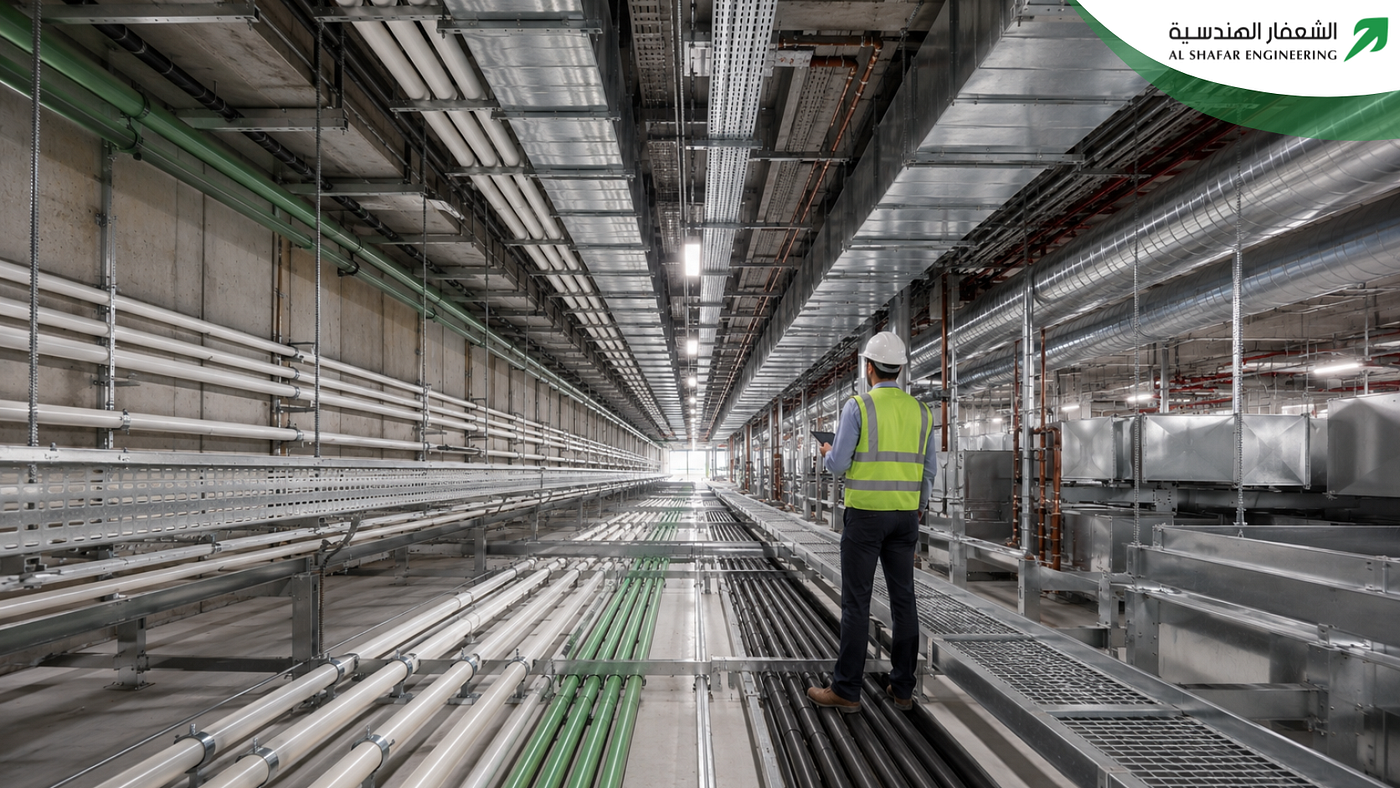
The success of any construction project is often measured by visible outcomes: completed buildings, operational infrastructure, delivered milestones, and satisfied stakeholders. Yet behind every successful development lies a less visible but equally critical factor — the workforce responsible for transforming plans and designs into built reality.
As the UAE continues to advance its position as a global hub for business, tourism, infrastructure, and urban development, construction projects are becoming increasingly ambitious in both scale and complexity. Mega developments, mixed-use communities, transportation networks, public facilities, and high-performance commercial assets require more than technical expertise alone. They demand highly coordinated workforces capable of executing projects efficiently, safely, and consistently across multiple disciplines.
In today’s construction environment, workforce scale is no longer simply a measure of organizational size. It is a strategic capability that directly influences project delivery performance, operational resilience, quality outcomes, and long-term competitiveness.
For contractors operating within the UAE’s rapidly evolving construction sector, the ability to mobilize, manage, and coordinate large skilled workforces has become a defining factor in successful project execution.
The Human Element Behind Construction Excellence
Construction is fundamentally a people-driven industry.
While technology, equipment, and digital systems continue to transform project delivery, successful outcomes ultimately depend on the expertise, coordination, and commitment of the workforce executing the work on site.
Every stage of a project relies on specialized professionals working together toward a common objective. Engineers, project managers, supervisors, planners, quantity surveyors, safety officers, quality inspectors, skilled tradespeople, logistics teams, and support personnel all contribute to the delivery process.
As projects increase in scale and technical complexity, the challenge is no longer simply having enough people. The challenge is ensuring the right people, with the right skills, are deployed at the right time and coordinated effectively throughout the project lifecycle.
This is where workforce scale becomes a strategic advantage.
Why Workforce Scale Matters in Modern Construction
The UAE construction industry operates within an environment defined by ambitious schedules, demanding quality standards, and increasingly complex project requirements.
Large developments often involve multiple construction phases occurring simultaneously across extensive sites. Activities such as structural works, architectural finishes, MEP installations, infrastructure connections, testing, and commissioning must be carefully coordinated to maintain project momentum.
A contractor with scalable workforce capabilities can respond more effectively to these demands by:
- Allocating resources across multiple project phases
- Accelerating critical construction activities
- Supporting concurrent work fronts
- Managing schedule fluctuations
- Responding to evolving project requirements
- Maintaining delivery performance under changing conditions
This flexibility is particularly important in fast-moving markets such as Dubai, where project timelines are often compressed and stakeholder expectations remain exceptionally high.
Workforce scalability enables organizations to adapt without compromising quality, safety, or operational efficiency.
Engineering Coordination at Scale
As construction projects become more integrated, workforce management extends beyond manpower allocation.
Modern developments require close coordination between numerous engineering disciplines, each with unique technical requirements and execution sequences.
Structural engineering teams must align with architectural requirements. MEP specialists must coordinate installations within increasingly constrained spaces. Infrastructure works must connect seamlessly with building systems and external networks.
Without effective coordination, even well-resourced projects can experience delays, rework, and operational inefficiencies.
Large-scale workforce management therefore requires strong engineering leadership, detailed planning processes, and structured communication systems.
Successful project delivery depends on ensuring that technical teams are not simply working in parallel, but working together through coordinated execution strategies.
This multidisciplinary approach has become increasingly important as projects incorporate advanced building systems, sustainability objectives, smart technologies, and more sophisticated operational requirements.
Workforce Capability and Technical Expertise
Workforce size alone does not determine project success.
Capability remains equally important.
The most successful construction organizations invest continuously in workforce development, technical training, supervision, and professional growth.
As building technologies evolve and regulatory requirements become more complex, the demand for skilled construction professionals continues to increase across the UAE.
Engineering teams must understand emerging technologies. Supervisors must manage increasingly sophisticated construction methodologies. Skilled tradespeople must adapt to new systems, materials, and installation standards.
Organizations that prioritize workforce competency create stronger project outcomes because quality, safety, and productivity become embedded within daily operations.
A scalable workforce supported by technical expertise provides both operational capacity and execution confidence.
The Relationship Between Workforce Scale and Safety Performance
Safety remains one of the most important considerations in construction project delivery.
As workforce numbers increase, so too does the complexity of maintaining safe working environments.
Large-scale projects may involve thousands of personnel operating across multiple work zones, often performing high-risk activities simultaneously. Managing these environments requires robust health, safety, and environmental (HSE) systems supported by clear communication, supervision, and accountability.
Effective workforce management contributes directly to safety performance through:
- Structured site induction programs
- Ongoing safety training
- Daily toolbox talks
- Supervisor engagement
- Risk assessments
- Permit-to-work systems
- Continuous monitoring and reporting
A strong safety culture is not created through procedures alone. It is built through workforce engagement and consistent leadership across every level of the organization.
As project complexity increases, safety leadership becomes an essential component of workforce capability.
Supporting Quality Through Workforce Management
Quality and workforce performance are closely interconnected.
Even the most comprehensive quality management systems depend on skilled personnel implementing processes correctly and consistently.
Construction quality is influenced by craftsmanship, supervision, inspection practices, technical understanding, and attention to detail throughout execution.
Organizations with strong workforce management systems are better positioned to maintain consistent quality standards because responsibilities, workflows, and performance expectations are clearly defined.
This structured approach helps reduce variability, improve accountability, and strengthen project outcomes.
For developers, consultants, and project stakeholders, workforce capability often serves as a reliable indicator of overall delivery performance.
Workforce Scale in an Era of Digital Construction
Technology is reshaping how construction workforces are managed across the UAE.
Digital project management platforms, Building Information Modeling (BIM), workforce tracking systems, mobile reporting tools, and real-time collaboration technologies are improving visibility and coordination across large projects.
These technologies allow organizations to optimize resource allocation, improve productivity, enhance communication, and make more informed operational decisions.
The future of workforce management will increasingly combine human expertise with digital intelligence.
Organizations that successfully integrate both elements will be better equipped to manage growing project complexity while maintaining efficiency and performance.
Building the Workforce of the Future
The future of UAE construction will be defined by more than ambitious developments and advanced technologies. It will be shaped by the industry’s ability to attract, develop, and retain skilled professionals capable of delivering increasingly complex projects.
As infrastructure investment continues, urban development expands, and sustainability requirements evolve, workforce capability will remain a fundamental driver of project success.
Construction organizations that invest in people, technical development, engineering coordination, and safety leadership will be best positioned to meet future market demands.
In an industry where execution ultimately determines outcomes, workforce scale is not simply about capacity. It is about creating the operational strength, flexibility, and expertise required to deliver projects efficiently, safely, and consistently.
As the UAE construction sector continues its evolution, workforce capability will remain one of the most important foundations supporting long-term project delivery excellence.
About Al Shafar Engineering LLC
Al Shafar Engineering LLC is a Dubai-based construction and engineering company with over 40 years of industry experience delivering residential, commercial, corporate, and infrastructure projects across the UAE.
Website: http://alshafar.net/ Email: civil@shafar.ae LinkedIn: https://www.linkedin.com/company/alshafareng/ Instagram: https://www.instagram.com/alshafar.eng/ Phone: +971 4 339 1888 Dubai, United Arab Emirates
메타데이터
- post_id
- 5d8e849a7ea9
- slug
- how-workforce-scale-impacts-construction-delivery-capability-5d8e849a7ea9
- url
- https://medium.com/@AlShafarEngineering/how-workforce-scale-impacts-construction-delivery-capability-5d8e849a7ea9
- canonical_url
- https://medium.com/@AlShafarEngineering/how-workforce-scale-impacts-construction-delivery-capability-5d8e849a7ea9
- author_url
- https://medium.com/@AlShafarEngineering
- status
- ok
- fetched_at
- 2026-08-10 06:31:56