From Marx to Maths: My Childhood in Communist Mozambique (With a British Accent)
I was raised under a red flag, not of shame, but socialism. Mozambique in the ’70s and ’80s wasn’t exactly Disneyland, unless your idea of…
From Marx to Maths: My Childhood in Communist Mozambique (With a British Accent)
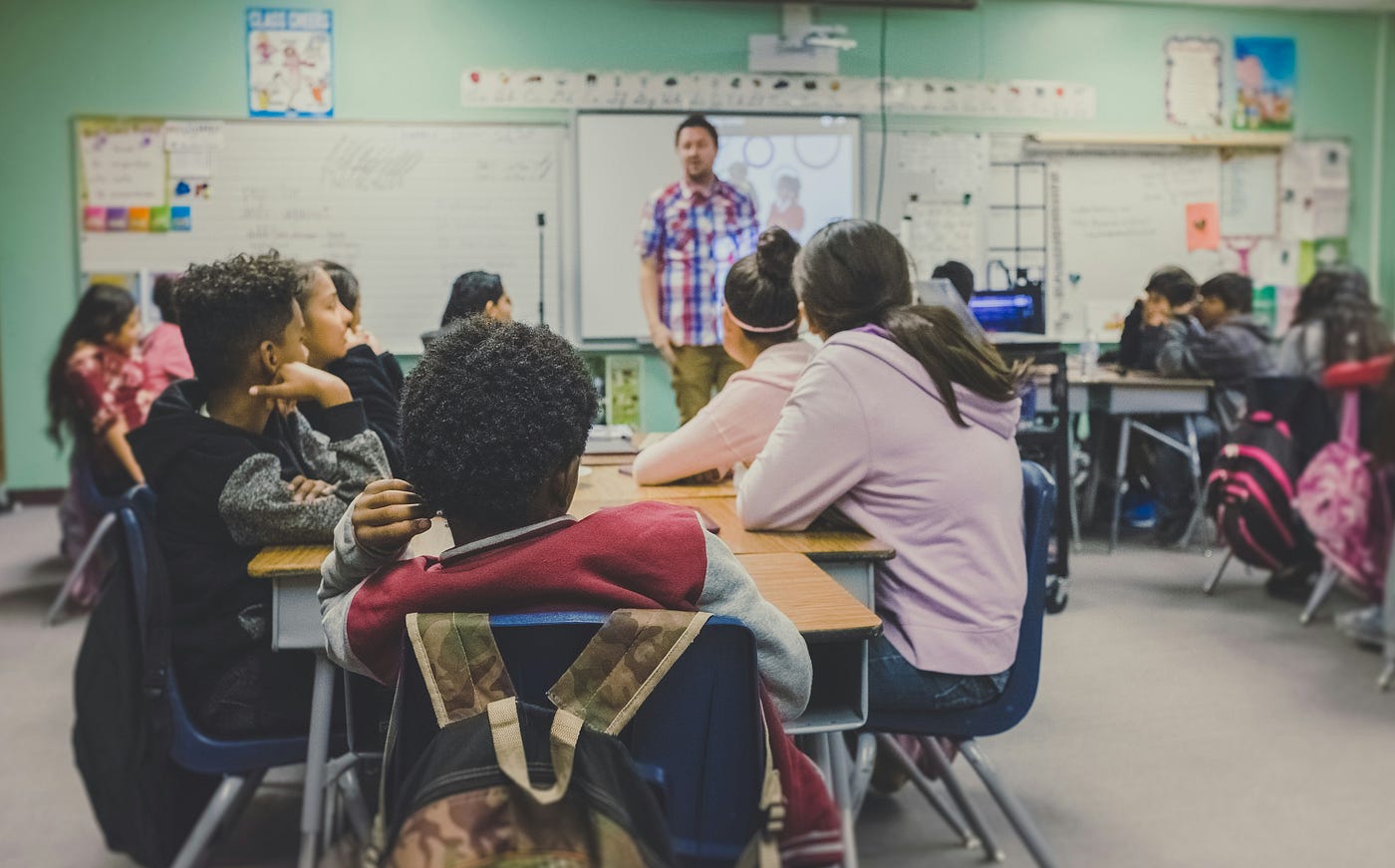
Photo by Kenny Eliason on Unsplash
I was raised under a red flag, not of shame, but socialism. Mozambique in the ’70s and ’80s wasn’t exactly Disneyland, unless your idea of fun includes ration lines, state slogans, and the occasional power cut right in the middle of Dallas (the TV show, not the city — we weren’t that connected).
My parents, God love them, moved us from Portugal to Mozambique just before independence, as if sniffing out a good Marxist uprising was their idea of a family adventure. While most people were fleeing, we were unpacking.
As a kid, I didn’t grasp geopolitics. All I knew was that papas were scarce, chicken was a delicacy saved for Sundays, and people whispered about bread like it was gold bullion. But I was lucky. I had a front-row seat to one of Africa’s boldest social experiments — from the ceiling-fanned (sometimes) halls of an international school.
Where “Revolution” Meets “Recess”
My school was a peculiar bubble: a British curriculum, African sun, and just enough chaos to make every day feel like a rehearsal for a survival documentary — with algebra.
We followed the Cambridge syllabus — Shakespeare, trigonometry, the usual suspects — taught in classrooms without air conditioning, often punctuated by the distant hum of generators or the occasional blackout. No uniforms. No local shops magically supplying the latest fashions. What we wore was whatever our parents had bought during their once-a-year trips to Portugal or England — if they were lucky enough to make those trips at all.
Our school was a vivid mosaic of nationalities and stories. Some were children of diplomats, shuttling between embassies and unstable governments. Others were kids of refugees and idealists fleeing austere regimes across the world, believing they were arriving in Mozambique to help build a new society, one grounded in the promise of communism and collective progress.
Our teachers, too, were a special breed. Not tourists or thrill-seekers, but people who genuinely believed in the system. They came to teach, to nurture, to help shape a future that felt just within reach — even as the country grappled with rationing, civil war, and chronic shortages. They persevered through broken photocopiers and absent supplies, never losing faith that education was a revolution in itself.
Surreal, With a Side of Sausage
Mozambique back then was like living inside a surrealist painting — beautiful, intense, and occasionally unpredictable. Life outside school was its adventure: petrol shortages, power cuts, and the ever-present hum of political tension.
There were no school trips to wildlife reserves — public transport was virtually non-existent, and safety was a constant concern. Our explorations were limited to the small bubble of the school grounds or the occasional family outing when fuel and security conditions allowed.
One of my clearest memories is overhearing hushed conversations about “security” and checkpoints, which sounded more like spy thrillers than everyday life. Meanwhile, inside the classroom, we debated Macbeth’s ambitions and memorised times tables.
That strange contrast between our sheltered school bubble and the complex realities outside taught me to find humour and hope in unexpected places.
Education, Apparently
Academically, I was drilled in cursive writing and long division, and developed a well-earned fear of Mr. Davenport, who could silence a room full of teenagers with just a raised eyebrow. I learned to pronounce “schedule” the British way (“shed-yule”), which I still say — despite 30 years of mockery from Americans.
Career counselling? Barely. The closest we got was a visiting official who cheerfully advised, “Whatever you do, don’t stay here.” Not exactly the pep talk you want at sixteen, but maybe the most honest career advice I ever got.
Yet somehow, we emerged with enough knowledge not just to pass exams, but to identify a dazzling array of languages — Spanish, Russian, Mozambican, Hungarian — and to decode every English foreign accent imaginable: Indian, Eastern European, Zimbabwean, Portuguese. Our “international education” wasn’t just textbooks and tests; it was a survival course in cultural decoding.
The Asbestos Classrooms and the Global Melting Pot
Our secondary school classrooms were made of asbestos — a lovely reminder that “progress” sometimes came wrapped in a questionable health hazard. The walls may have been hazardous, but the friendships we forged inside were priceless.
I made friends from everywhere: kids fleeing repression, like the Chilean children whose families escaped Pinochet’s regime; diplomats’ kids whose families could afford a Cambridge education; and others whose parents worked in the ministries, connected to the government, trying to shape Mozambique’s future under communism. It was a surreal mix of privilege, hope, and quiet survival.
The school organised dances for the upper years, which felt like the social highlight of the year. Food and drink were minimal — think dry crackers and watered-down juice — but that never stopped us from smuggling in real drinks, hidden like contraband treasures in our backpacks, courtesy of our parents’ secret liquor stashes. Those dances were less about snacks and more about the thrill of dancing under the hum of a flickering light bulb, surrounded by classmates who, despite our differences, shared the same strange, wild journey.
Why It Still Matters (and Still Makes Me Laugh)
Looking back, I realise how absurd, rich, and formative those years were. Instead of Jane Austen, we got Animal Farm and 1984 — communist critiques disguised as school reading. I memorised Julius Caesar — “Et tu, Brute? Then fall, Caesar!” or “Friends, Romans, countrymen” — for a literature contest where the grand prize was candy. Meanwhile, the radio blasted state propaganda, and world history lessons came not from textbooks, but from the headlines and street whispers unfolding beyond our classroom walls.
We were just kids from all over the world who wanted to have fun, and have fun we did. Politics, rations, and revolutions? That was our parents’ mess to handle. We cared about music, games, gossip, and who could sneak the best snacks into class.
Looking back, I’m proud to say I grew up alongside a dazzling array of cultures, ethnicities, and backgrounds. That patchwork made us who we are: resilient, curious, and endlessly adaptable. We became adults not just through lessons in textbooks, but through lessons in life, friendship, and the strange, beautiful chaos of Mozambique in those years.
It instilled in me a lifelong distrust of slogans, a deep respect for resilience, and a party trick that lets me impersonate both a posh British teacher and a Marxist rice distribution officer.
And yes, I sometimes still dream in three languages — usually when I’ve had too much wine.
So, if you liked this little walk-through of my wonderfully weird upbringing, stick around. There’s more where that came from. Next time: that one school assembly where someone let a goat loose. Spoiler alert: it wasn’t the principal.
메타데이터
- post_id
- 5d94375e4ccb
- slug
- from-marx-to-maths-my-childhood-in-communist-mozambique-with-a-british-accent-5d94375e4ccb
- url
- https://medium.com/@sandra.pragana/from-marx-to-maths-my-childhood-in-communist-mozambique-with-a-british-accent-5d94375e4ccb
- canonical_url
- https://medium.com/@sandra.pragana/from-marx-to-maths-my-childhood-in-communist-mozambique-with-a-british-accent-5d94375e4ccb
- author_url
- https://medium.com/@sandra.pragana
- status
- ok
- fetched_at
- 2026-07-21 01:40:58