Cannabis Aromagraphy: Capturing the Invisible
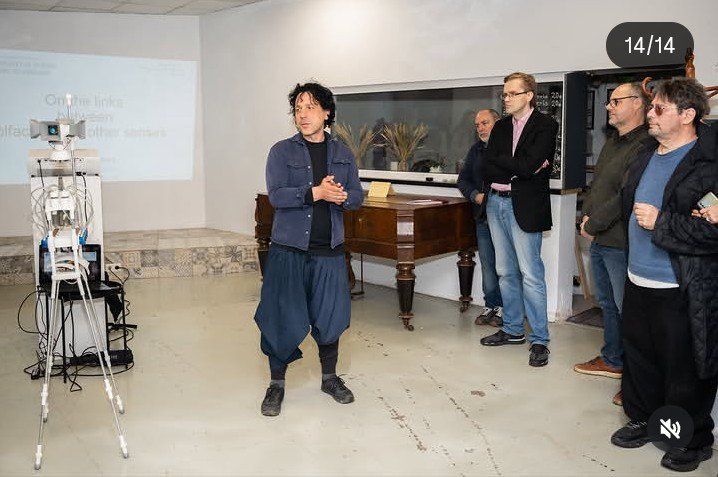
Aromagraphy is the art of capturing, storing, and releasing odors using an odor-recording device — such as the Scent Camera — to create and…
Cannabis Aromagraphy: Capturing the Invisible
Aromagraphy is the art of capturing, storing, and releasing odors using an odor-recording device — such as the Scent Camera — to create and share new mono- or multisensory experiences. It expands the language of media beyond image and sound, allowing smell to become a compositional element, a narrative layer, and even a form of documentation.
An aromagrapher is the practitioner of this emerging field: someone who captures, archives, and replays scents, often in dialogue with audiovisual material. Their work involves specialized technologies that record and reproduce olfactory impressions, opening a new dimension in sensory media. In this sense, aromagraphy is not just about preservation — it is about translation — transforming fleeting sensory experiences into something that can be revisited and shared.
One of the most striking aromagraphic experiences I encountered took place in Chiang Mai, in a cannabis shop that functioned almost like an olfactory gallery. There, I learned how radically different cannabis aromas can be. Smell was not incidental — it was central. It served as a primary indicator of quality: the stronger and more complex the aroma, the more highly valued the plant.
The distinctions were nuanced but clear. Indoor-grown cannabis plants (often cultivated in controlled environments such as greenhouses) tended to have a more intense and concentrated smell than outdoor-grown plants. Interestingly, outdoor cannabis was significantly more expensive, suggesting that value is not determined by aroma alone, but also by cultivation methods, rarity, and cultural perception.
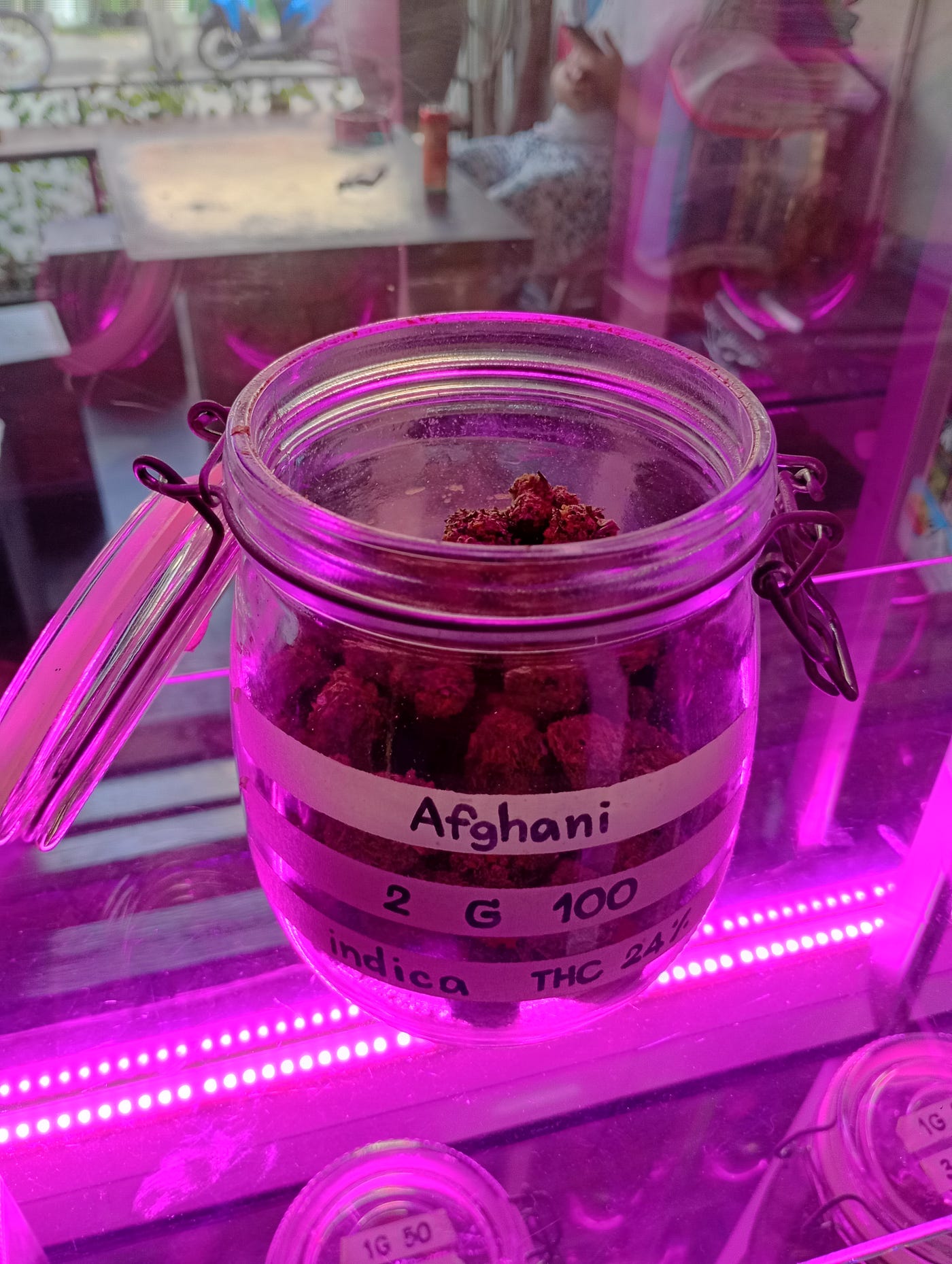
Photo: Sandris Murins
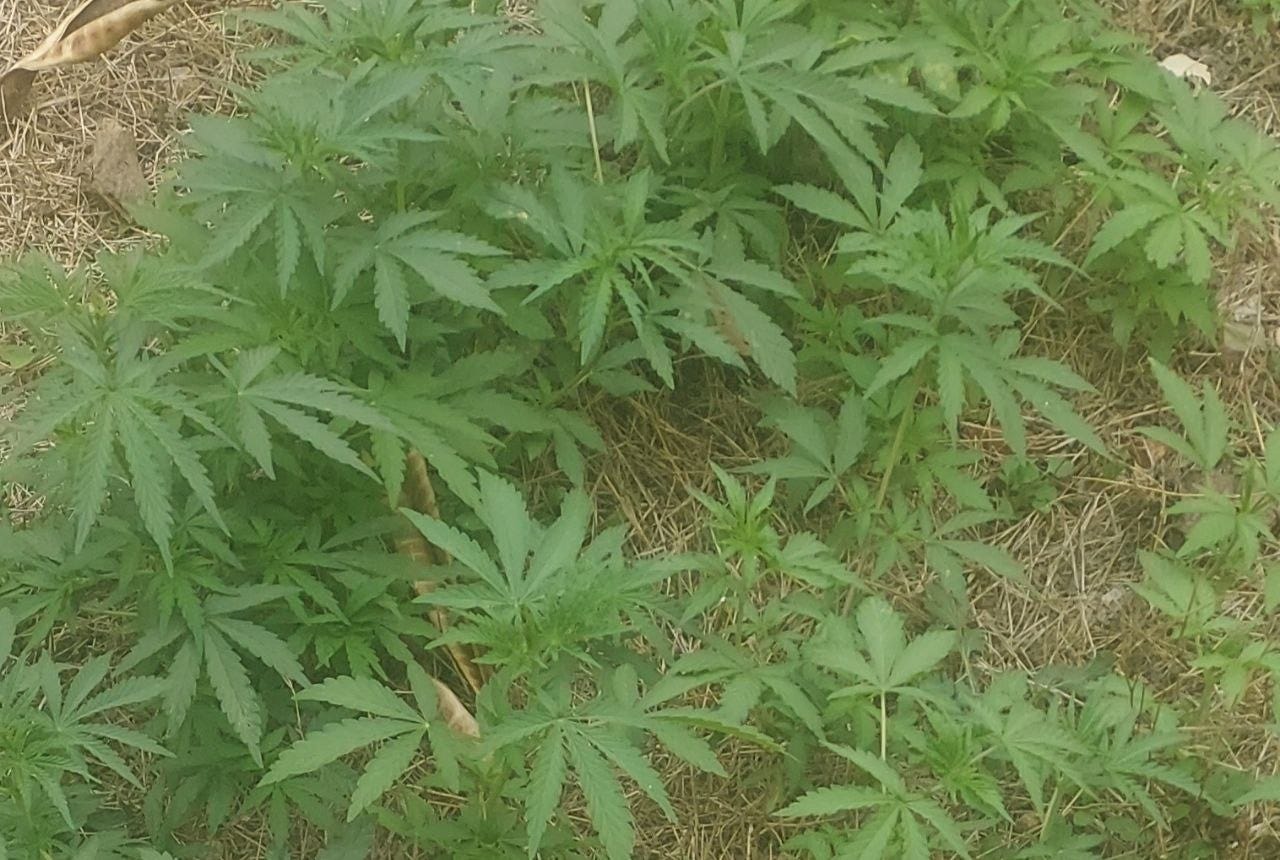
Different types of cannabis plants revealed distinct olfactory profiles. Sativa plants felt sharper and more aggressive to my nose, while indica plants carried a heavier, more grounded scent. Hybrid plants existed somewhere in between, blending characteristics into complex aromatic compositions. These differences become truly meaningful when directly experienced — and this is precisely where aromagraphy becomes essential.
The Scent Camera offers a compelling medium for such work. While it is impossible to physically transport cannabis from Thailand to Latvia by plane, it becomes possible to capture and carry its aromatic identity. By pairing recorded scents with images, an aromagrapher can reconstruct a multisensory encounter in a completely different context.
In this way, aromagraphy challenges the limits of mobility, legality, and perception. It allows us to transport not the object itself, but its essence. A photograph alone cannot convey the richness of a cannabis shop in Chiang Mai — but a photograph combined with its scent begins to approach a fuller reality.
Cannabis aromagraphy, therefore, becomes a case study in how scent can function as cultural documentation, artistic medium, and sensory memory. It suggests a future where experiences are no longer only seen and heard, but also smelled — shared across borders without moving the physical substance itself.
메타데이터
- post_id
- 5d96b3bfaaf2
- slug
- cannabis-aromagraphy-capturing-the-invisible-5d96b3bfaaf2
- url
- https://medium.com/scentgrapher/cannabis-aromagraphy-capturing-the-invisible-5d96b3bfaaf2
- canonical_url
- https://medium.com/scentgrapher/cannabis-aromagraphy-capturing-the-invisible-5d96b3bfaaf2
- author_url
- https://medium.com/@sandrismurins
- status
- ok
- fetched_at
- 2026-07-09 01:22:44