The 7 Biggest Mistakes Founders Make Building MVPs (And How to Avoid Them)
If you’ve ever tried to build a startup product, you already know how exciting — and overwhelming — the process can be.
The 7 Biggest Mistakes Founders Make Building MVPs (And How to Avoid Them)

7 Biggest Mistakes Founders Make Building MVPs
If you’ve ever tried to build a startup product, you already know how exciting — and overwhelming — the process can be.
A founder has an idea, imagines the product changing the market, and then starts building immediately. But somewhere along the way, the timeline stretches, the budget increases, and the product becomes far more complicated than originally planned.
I’ve seen this happen many times.
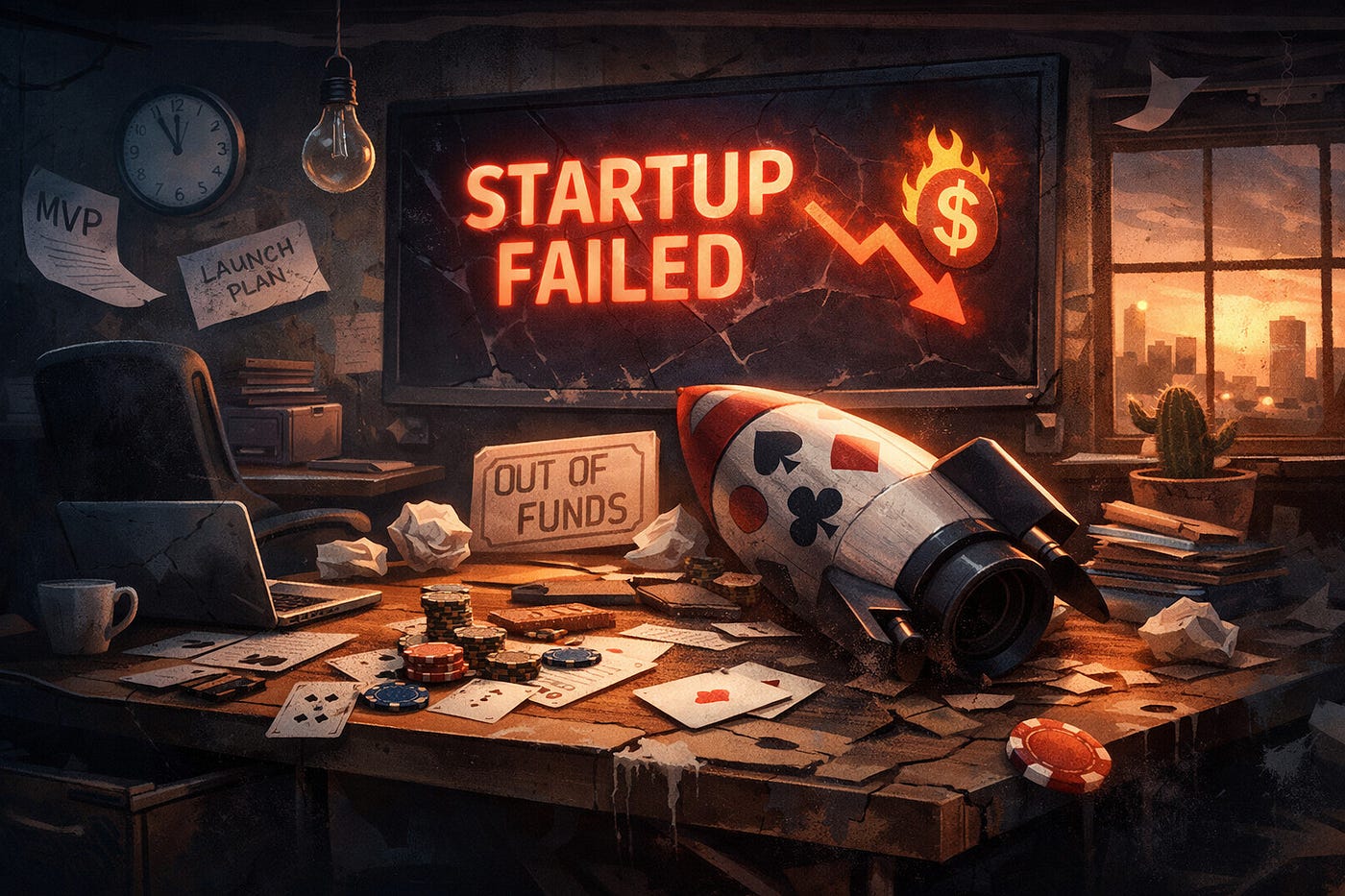
The truth is that most startups fail not because the founders lack passion, but because they make a few critical mistakes during MVP development.
An MVP is supposed to help founders test ideas quickly. But when done wrong, it can lead to months of wasted effort and unnecessary costs.
If you’re building a startup MVP, understanding these mistakes can save you time, money, and frustration.
Let’s talk about the seven biggest mistakes founders make when building an MVP.
1. Trying to Build the “Perfect” Product
This is the mistake I see the most.
A founder starts with a simple idea. But once development begins, more and more features get added.
“Let’s add analytics.” “What if we include messaging?” “Maybe we should add AI recommendations.”
Before long, what was supposed to be a small MVP turns into a massive product.
The problem is that perfection slows everything down.
Many founders forget that the purpose of a startup MVP is not to build the final product — it’s to test whether people actually want it.
When Airbnb first started, it wasn’t the polished platform we know today. It was simply a website where people could rent space in their apartments.
Simple idea. Simple execution.
Focus on solving one problem well. Everything else can come later.
2. Waiting Too Long to Launch
Another common mistake founders make is delaying their launch.
Sometimes founders feel their product isn’t “ready yet.” They keep improving it, polishing the interface, and fixing tiny details before letting users see it.
But here’s the reality: users don’t expect perfection from an MVP.
They expect a solution to their problem.
Launching early gives founders something extremely valuable — feedback.
Companies like Dropbox validated their idea long before they built a full product. In fact, their early validation came from a simple demo video.
The sooner you launch your startup MVP, the sooner you learn what actually matters to users.
3. Ignoring User Feedback
Once an MVP is launched, founders sometimes make another mistake — they ignore what users are telling them.
This usually happens because founders become emotionally attached to their original idea.
But users often see things differently.
They might struggle with certain features. They might ask for changes. They might even use the product in ways the founders never expected.
This feedback is gold.
The entire point of MVP development is to learn from real users.
Startups that succeed tend to listen carefully and adapt quickly.
4. Building Before Validating the Problem
One of the most expensive mistakes founders make is building a product before confirming that the problem actually exists.
It sounds obvious, but it happens all the time.
A founder has an idea and immediately starts building. Months later, they realize that users aren’t interested in the product.
Before building a startup MVP, founders should spend time asking important questions:
Is this problem real? Are people actively trying to solve it? Would they pay for a solution?
Talking to potential users early can prevent months of wasted work.
5. Overcomplicating the Technology
Some founders believe their MVP needs cutting-edge technology from day one.
They start designing complex infrastructure, microservices, and scalable architectures that could support millions of users.
But the truth is, most startups never reach that scale — at least not immediately.
Early MVP development should prioritize speed and simplicity.
Many successful startups began with surprisingly simple systems.
Even platforms like Uber started with relatively basic infrastructure compared to what they use today.
Build what you need for now, not what you might need years from now.
6. Spending Too Much Money Too Early
Startups often operate with limited resources, yet some founders spend a large portion of their budget on building an overly complex MVP.
This can be risky.
If the product fails to gain traction, that money is gone.
A smarter approach is to build lean.
Focus on the smallest product that can deliver real value to users.
Once the idea proves itself, it becomes much easier to invest more resources into improving and scaling the product.
Managing costs during early MVP development can give startups the runway they need to survive long enough to find product-market fit.
7. Focusing More on Technology Than the Problem
Founders sometimes fall in love with technology rather than the problem they’re trying to solve.
You’ll often hear things like:
“We want to build an AI platform.” “We want to use blockchain.”
But users don’t care about the technology.
They care about solving their problems.
A great startup MVP starts with a clear problem and a simple solution.
Technology should support that solution — not distract from it.
The startups that succeed are usually the ones that stay focused on the user’s needs.
Conclusion
Building a startup is a learning process. No founder gets everything right the first time.
But avoiding these mistakes founders make when building an MVP can dramatically improve your chances of success.
Remember:
An MVP isn’t about building the biggest product.
It’s about building the right product.
The best MVP development strategies focus on launching quickly, learning from users, and improving continuously.
If you’re planning to build a startup MVP and want to launch quickly without making these costly mistakes, feel free to reach out or start a conversation.
Sometimes a short discussion can save months of unnecessary development.
Let’s build smarter.
메타데이터
- post_id
- 5daf03b5f97e
- slug
- the-7-biggest-mistakes-founders-make-building-mvps-and-how-to-avoid-them-5daf03b5f97e
- url
- https://medium.com/@aviidoffice/the-7-biggest-mistakes-founders-make-building-mvps-and-how-to-avoid-them-5daf03b5f97e
- canonical_url
- https://medium.com/@aviidoffice/the-7-biggest-mistakes-founders-make-building-mvps-and-how-to-avoid-them-5daf03b5f97e
- author_url
- https://medium.com/@aviidoffice
- status
- ok
- fetched_at
- 2026-07-15 21:32:05