Nearsightedness in Kids: Prevention and Solutions for Parents
If you’ve noticed more and more children wearing glasses, you’re not imagining it. Nearsightedness — also called myopia — is rising…
Nearsightedness in Kids: Prevention and Solutions for Parents
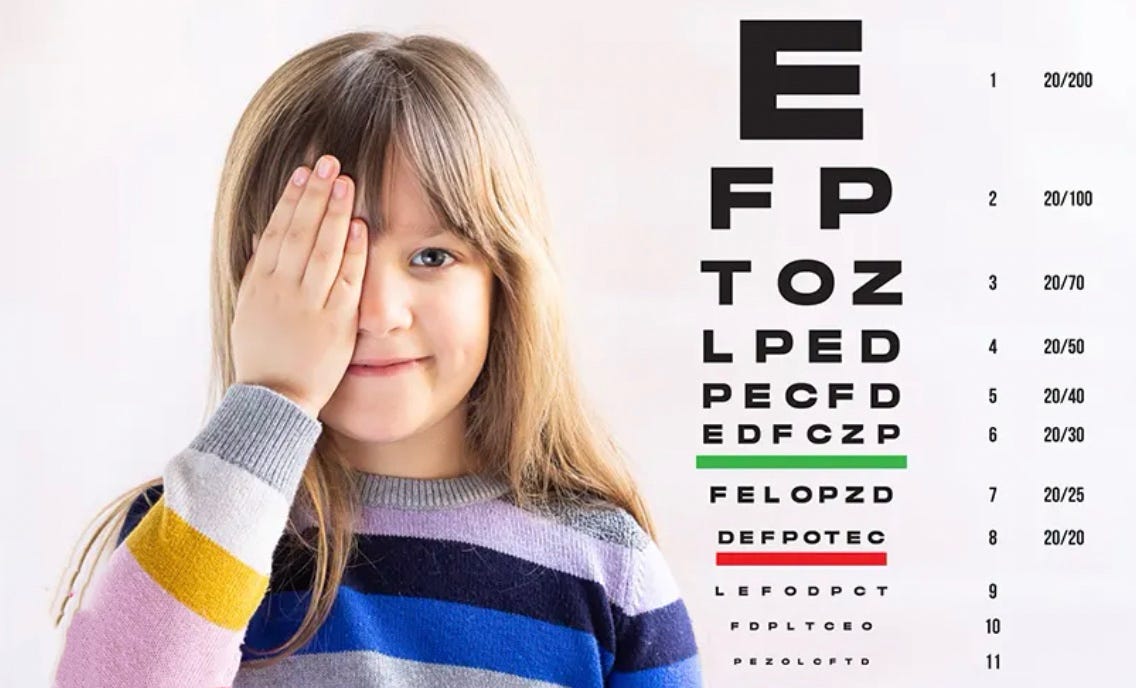
If you’ve noticed more and more children wearing glasses, you’re not imagining it. Nearsightedness — also called myopia — is rising quickly among school-age kids around the world. This is especially true in many Asian countries, but it’s also becoming common in the U.S. and Europe.
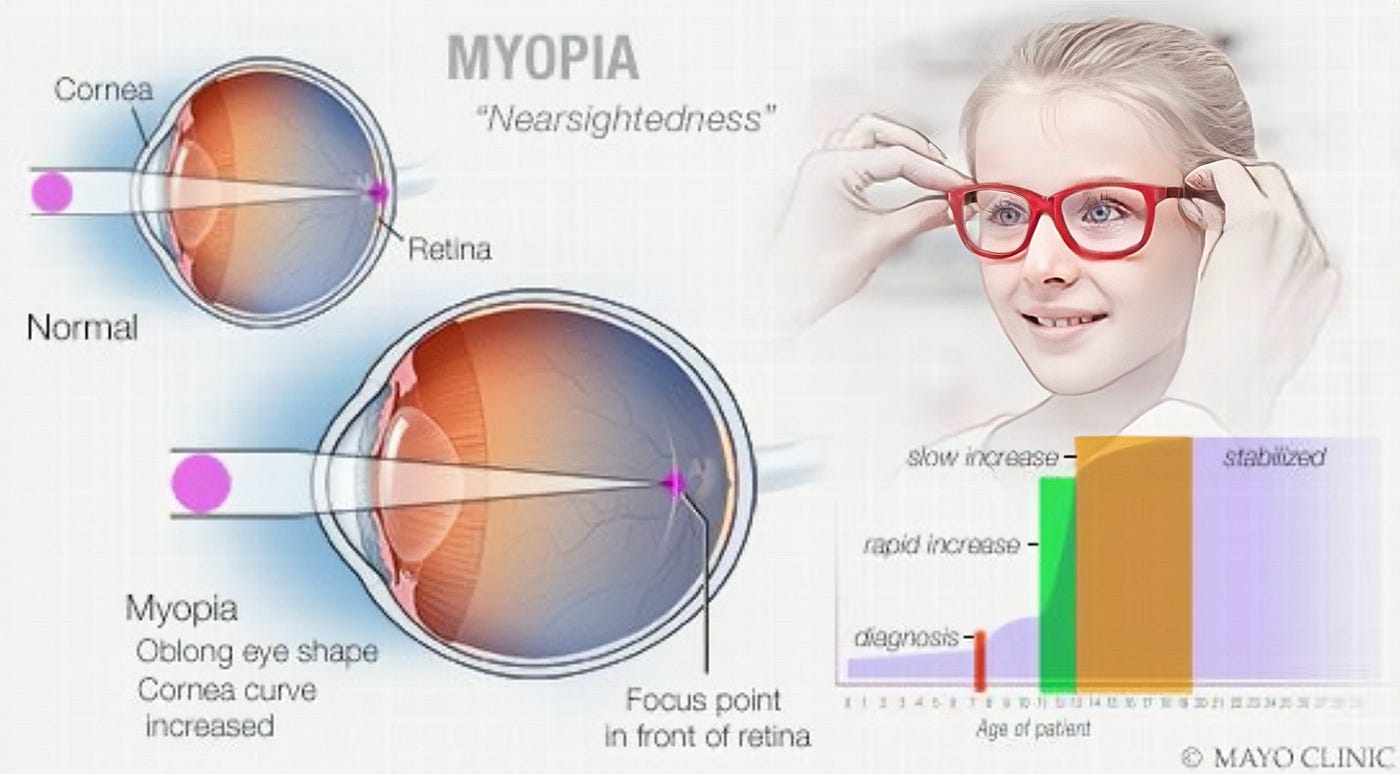
Think about it this way: your child’s eye is like a growing plant. Light, focus distance, posture, and breaks act like sunlight, water, and soil. With the right conditions, the eye grows in a healthier shape. With constant near work and little daylight, the eye elongates more quickly, which is what creates myopia.
In the past, kids often became nearsighted because they spent long hours with their noses buried in books. Today, the picture has changed: digital devices — phones, tablets, and handheld game consoles — now dominate kids’ daily routines. Combine close-up screen time with less outdoor play, and the result is more kids needing glasses earlier than ever before.
While corrective glasses or contacts aren’t a big deal for many children, they can be inconvenient for sports, swimming, or simply running around. That’s why parents are eager to know: Is there anything I can do to prevent my child’s vision from getting worse — or stop myopia from starting in the first place?
The good news: Yes. While you can’t change your child’s genetics, you can influence their daily habits. With a few practical steps — especially around screen time — you can protect your child’s vision, slow the progression of myopia, and make glasses less necessary in the long run.
Warning Signs Parents Should Watch For
You don’t have to wait for a teacher or school nurse to raise the alarm about your child’s eyesight. Most kids don’t realize their vision is changing because it happens slowly. They adapt by sitting closer, squinting, or avoiding certain tasks, and parents often mistake it for inattention or clumsiness.
Here are some common red flags:
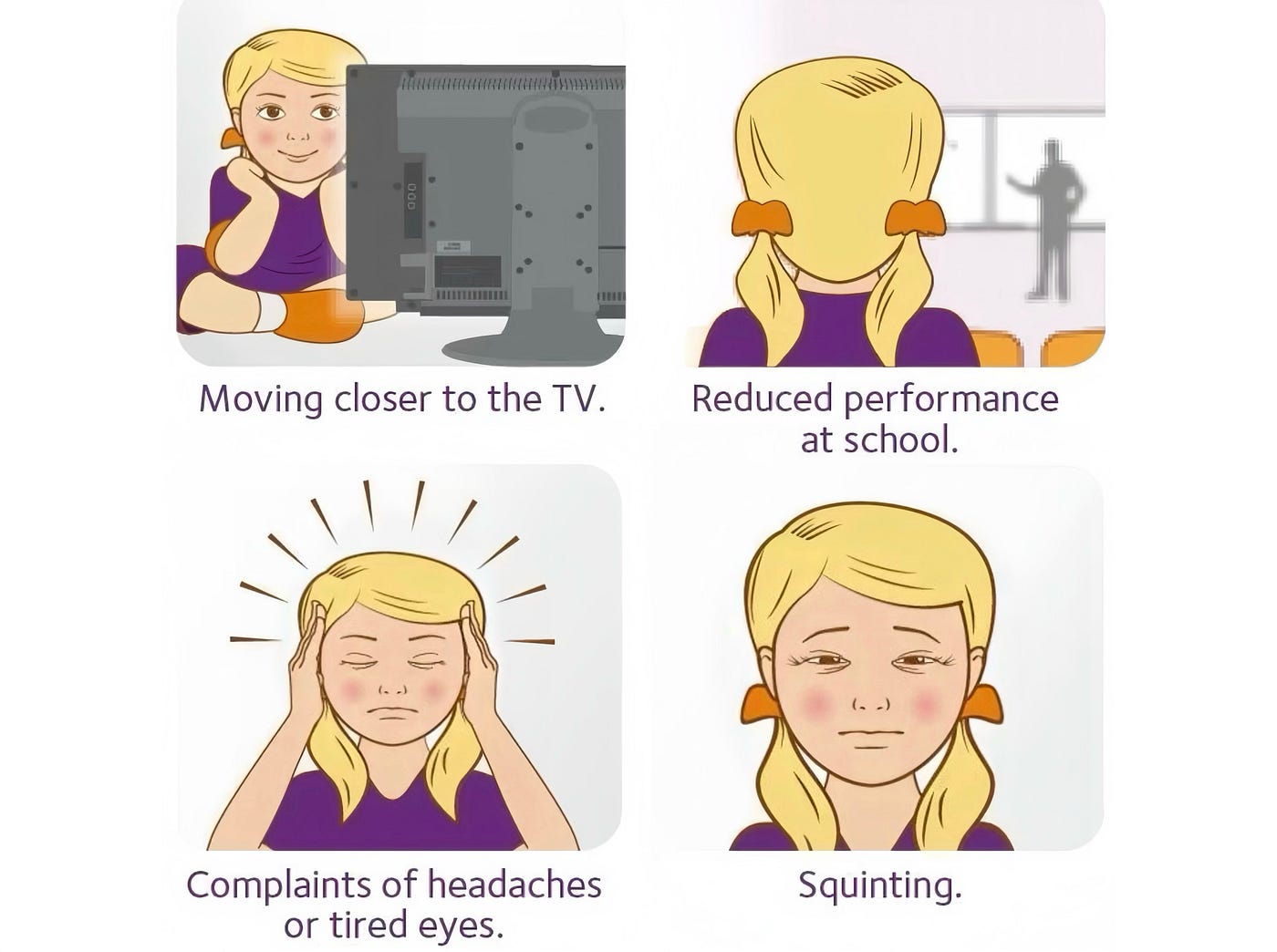
- Squinting at distant objects or creeping closer to the TV, classroom whiteboard, or sports scoreboard. This is often one of the earliest and easiest signs to notice.
- Holding books, tablets, or phones very close to the face. Kids may even tilt their heads or close one eye to see better.
- Frequent headaches or rubbing their eyes after reading or using screens, which can signal eye strain.
- Drop in focus or participation at school — what looks like daydreaming, poor grades, or behavior changes may actually be vision-related.
If you notice one or more of these patterns, don’t wait. Book a comprehensive eye exam with an optometrist or ophthalmologist. Detecting myopia early gives you more options to slow its progression — and spares your child frustration in class, sports, and everyday life.
Prevention Strategies for Parents
You can’t stop every case of myopia — genes still play a role — but the way your child uses their eyes day to day can make a huge difference. With some simple routines and environment tweaks, you can help protect their vision and cut down on eye strain before problems start.
Here are some parent-tested habits that really help:
- Encourage Outdoor Time Every Day

Research shows children who spend at least 1–2 hours outdoors daily are less likely to develop myopia. Bright daylight and the chance to focus on distant objects help keep young eyes healthy. Encourage after-school sports, playground time, or even a family walk. Sunlight and distance focusing are like a daily vitamin for young eyes.
- Create Healthy Screen Habits
Screens aren’t going away — but how your child uses them matters more than how long. Here’s how to make digital learning and entertainment easier on young eyes:
- Bigger screens, more distance.
Phones and tablets are held close, forcing eyes to focus intensely at short distances. Instead, use a desktop, laptop, or even a TV for online learning or video calls. The larger the screen, the farther away kids can sit — reducing strain.
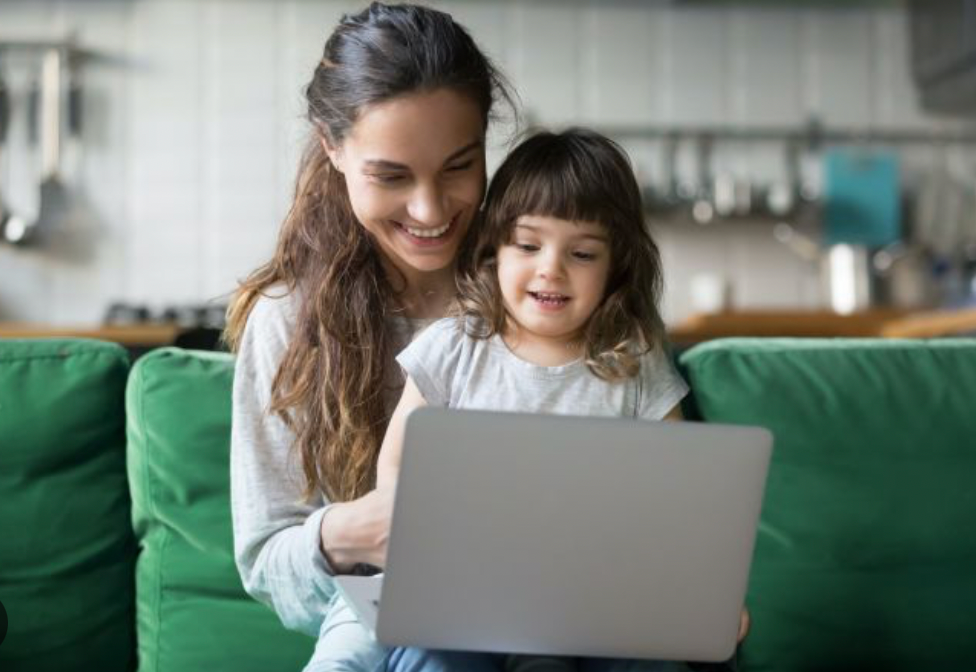
- Proper posture and eye level.
Position screens so your child looks slightly down or straight ahead — not up or craning their neck. Sitting at a desk with good posture also helps maintain that arm’s-length distance.
- Soften the screen’s brightness and contrast.
Lower the brightness and contrast on devices so it feels comfortable instead of glaring. Many parents use “night mode” even in the daytime.
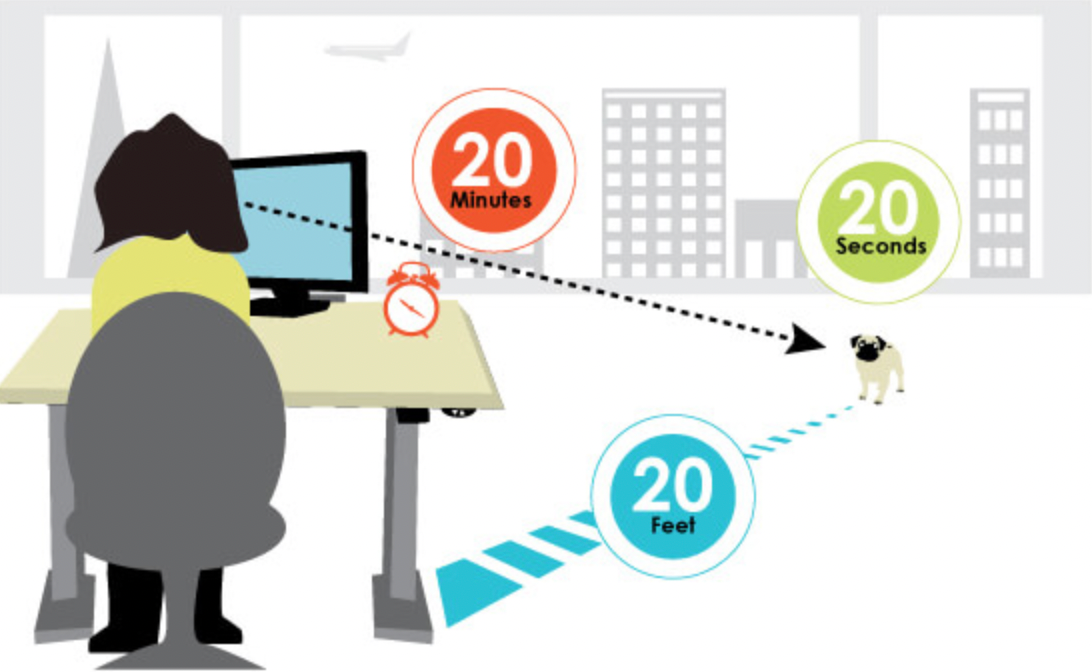
- Teach the 20–20–20 rule.
Every 20 minutes, have your child look at something at least 20 feet away for 20 seconds. It only takes half a minute but make a big difference. This gives the eye muscles a break.
- Mix it up with off-screen activities.
Encourage kids to alternate screen learning with printed books, drawing, puzzles, or hands-on science kits. The variety keeps their eyes from “locking in” to near focus.
Even if you only manage two or three of these habits consistently, you’re already helping your child’s eyes stay healthier and slowing the march toward stronger prescriptions.
3. Use Programs That Work Well on Big Screens
Because online learning is here to stay, the programs you choose can make a big difference. Some are cluttered or hard to read on large displays, while others are clear and simple.
Two widely used, parent-approved examples:

- This non-profit educational platform offering free lessons for students from kindergarten through high school — and beyond. Its videos, exercises, and progress tracking make it one of the most widely trusted online learning tools for parents and teachers alike.
- Khan Academy works well on desktops and laptops, which naturally encourages kids to sit farther back from the screen. Videos are clear, with large diagrams and readable text, making it easier on the eyes than small tablets or phones.
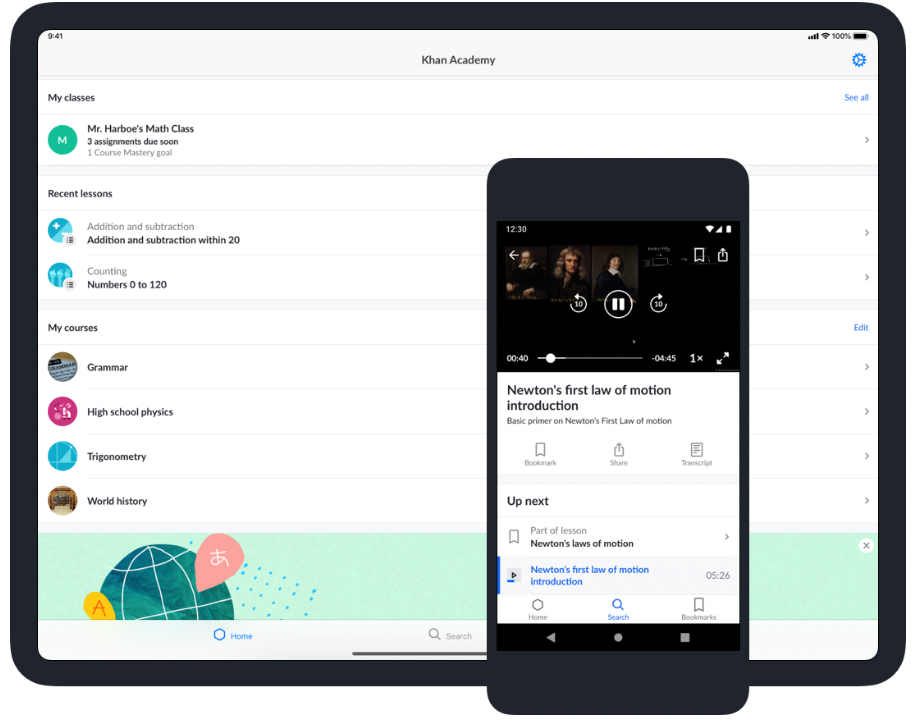
- Most lessons are under 15 minutes. This keeps children engaged without forcing long periods of near-focus, which can strain young eyes. Parents can even schedule breaks between videos to follow the 20–20–20 rule, reinforcing healthy screen habits.
- From math and science to reading and computer programming, the platform provides comprehensive curriculum support. This makes it easier for families to centralize learning on one big-screen device, reducing the need for multiple devices at close distances.
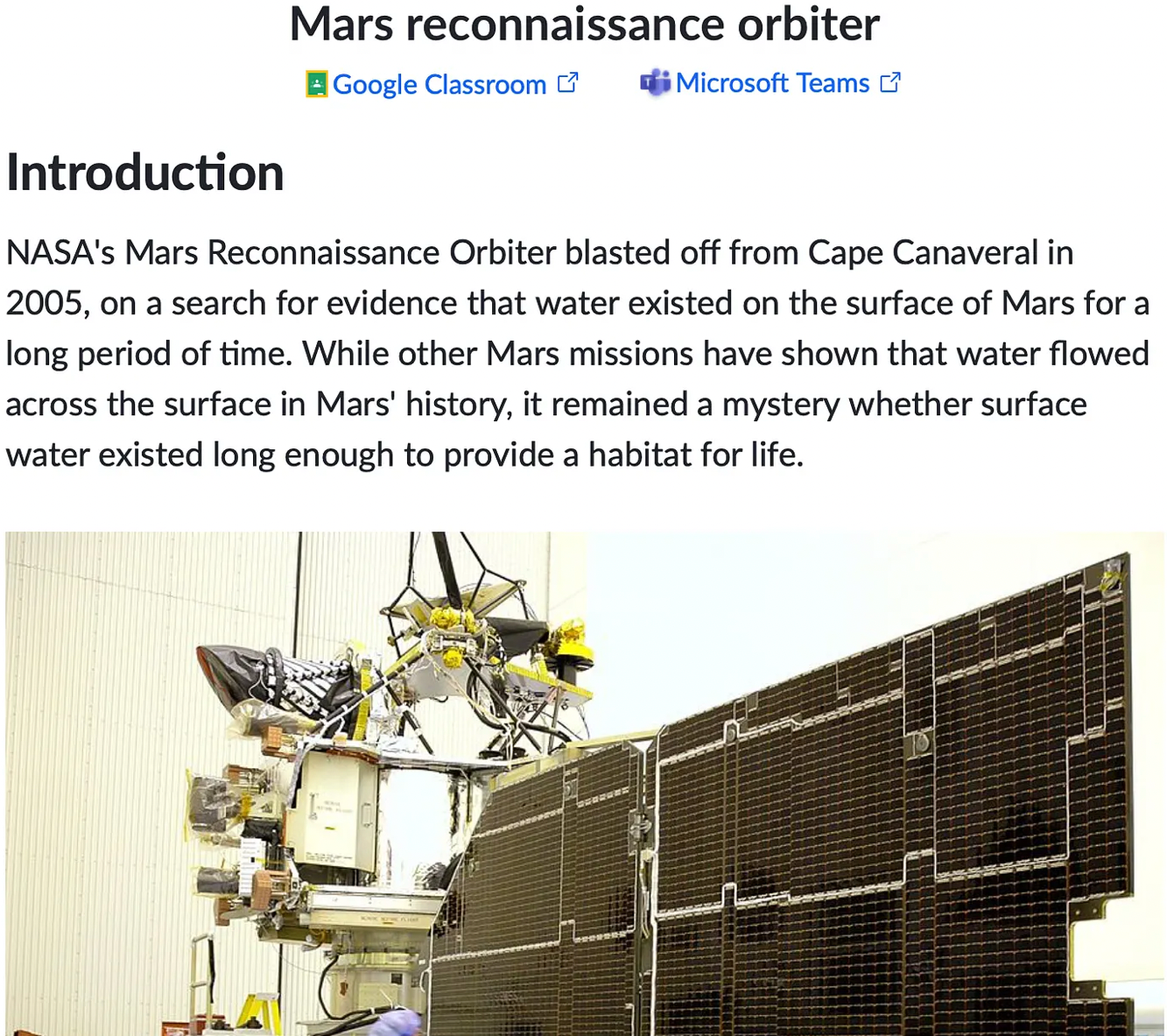
- Khan Academy combines high-quality teaching with flexible learning. Its structure naturally encourages breaks and use on larger devices, which protects young eyes. Plus, it’s completely free, making it accessible to families everywhere.

- Beestar is a learning platform designed for consistent, bite-sized practice, particularly in math and reading. Its approach balances online lessons with printable worksheets, which gives children the chance to mix digital and offline activities — a strategy that’s excellent for eye health.
- Beestar delivers weekly problem sets that take about 20 minutes to complete. This short, focused approach prevents fatigue and reduces extended near-focus time, which helps protect young eyes.
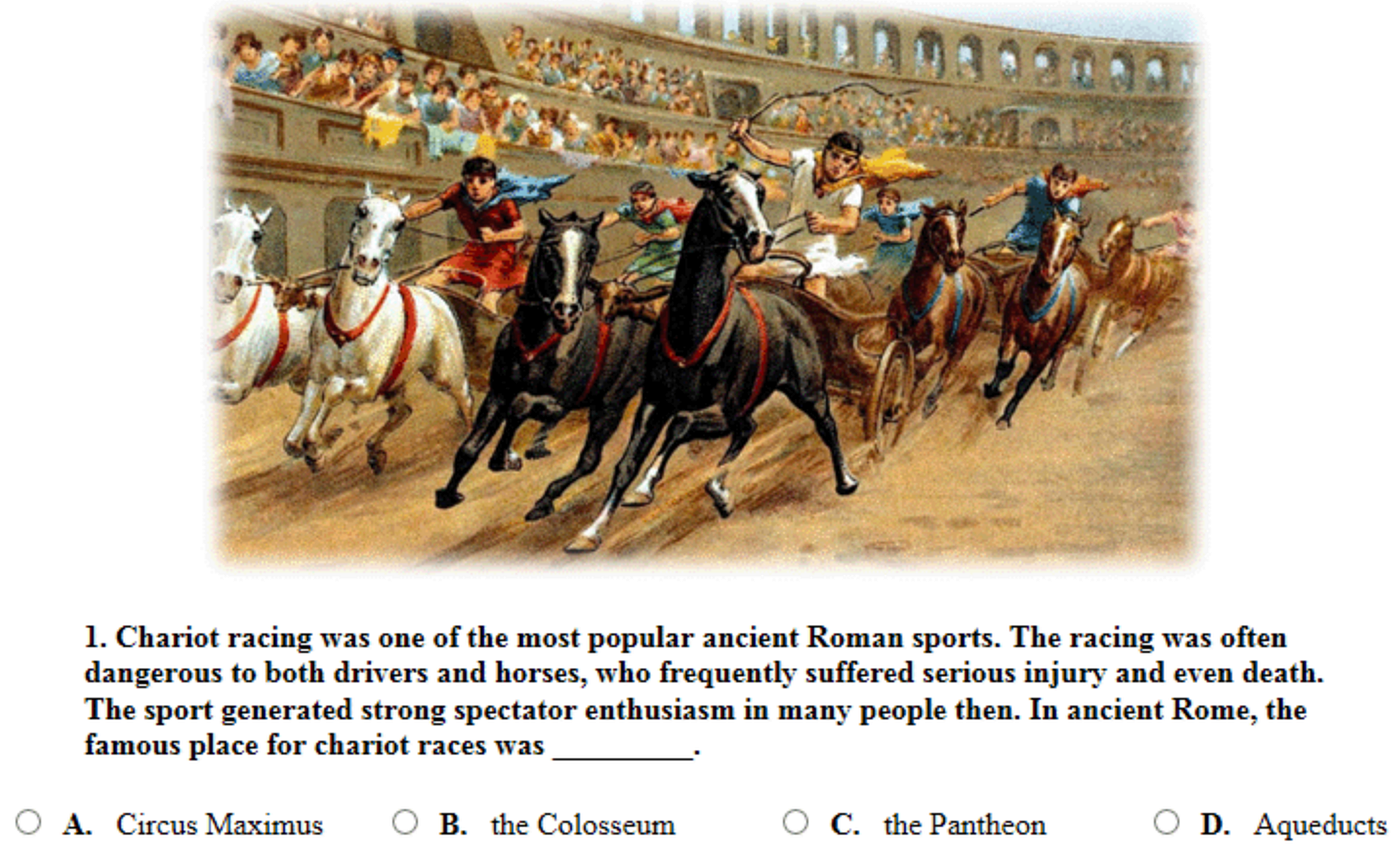
- Many parents appreciate that lessons can be printed for off-screen practice. This flexibility allows children to alternate between digital learning and paper-based exercises, giving their eyes a rest from bright screens.
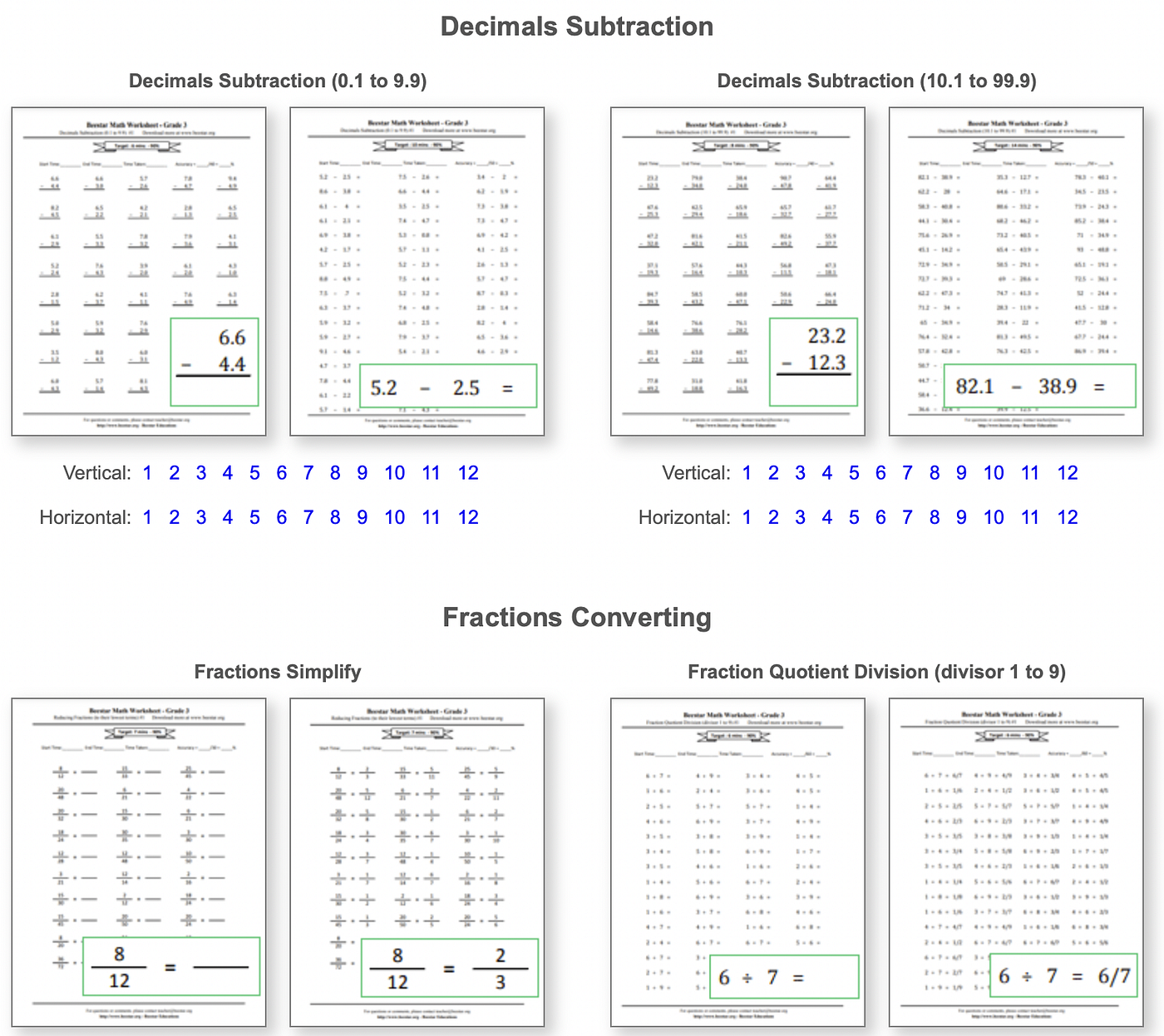
- The program emphasizes math, logic, and science, which strengthens problem-solving skills and complements classroom learning. By consolidating key exercises on one device, children can maintain proper posture and distance while reinforcing essential skills.
- Beestar’s combination of online practice and printable worksheets makes it perfect for families aiming to balance screen use with offline activities. Its short, engaging sessions reduce eye strain while keeping children motivated to learn consistently.
By choosing big-screen-friendly programs, you’re protecting your child’s eyes and supporting a smoother learning experience.
Solutions if Your Child Develops Myopia
Sometimes, even with all the right habits in place, genetics win out and a child still becomes nearsighted. That doesn’t mean you’re out of options. With early action, you can slow the progression and make life with myopia much easier for your child.
- Make Regular Eye Exams
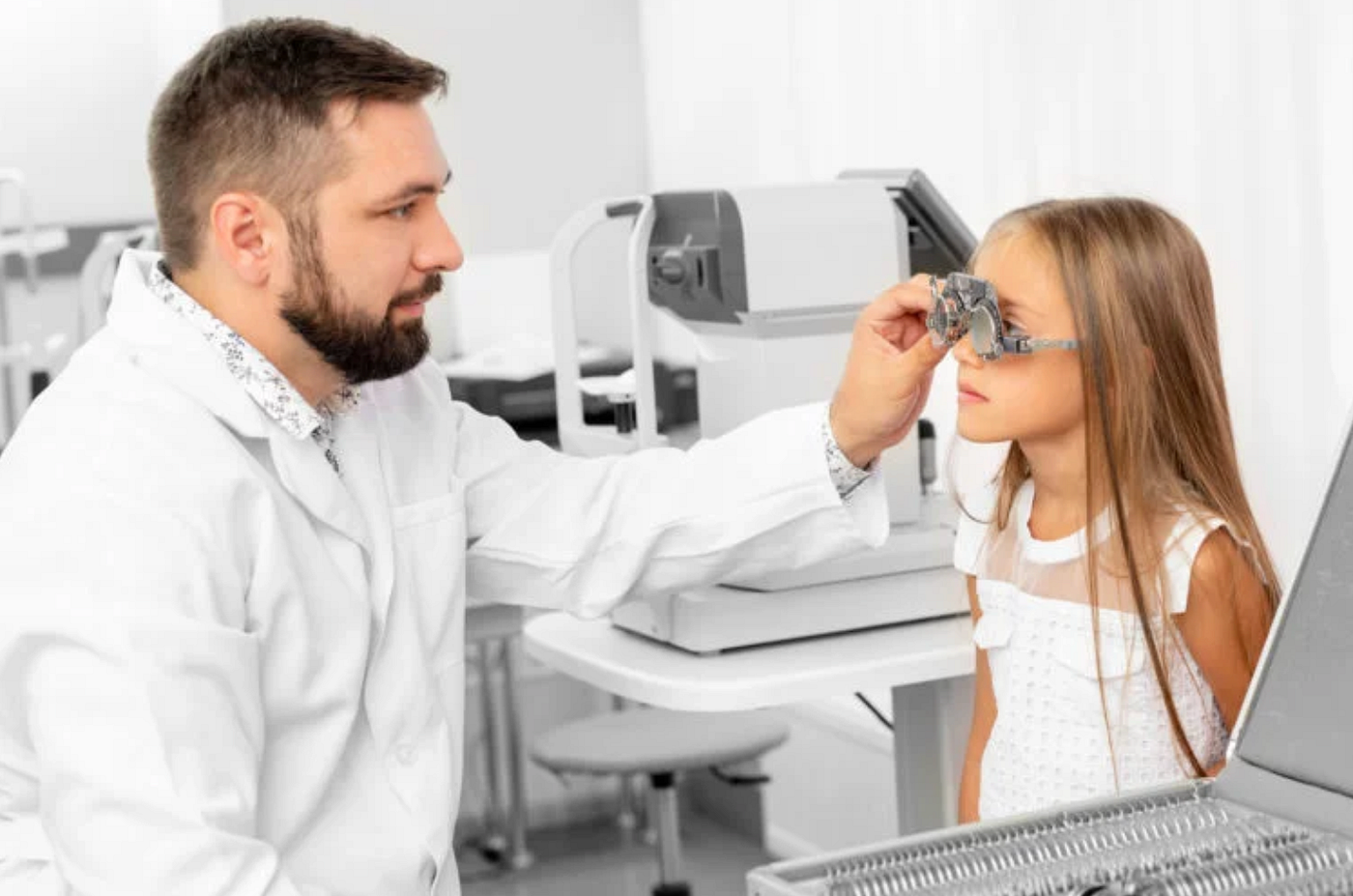
Don’t wait until the school vision screening catches something. Schedule a comprehensive eye exam at least once a year — or sooner if your child starts squinting, rubbing their eyes, or struggling in class. Catching myopia early gives you time to adjust habits or start treatments before prescriptions get stronger.
- Orthokeratology (Ortho-K) Lenses
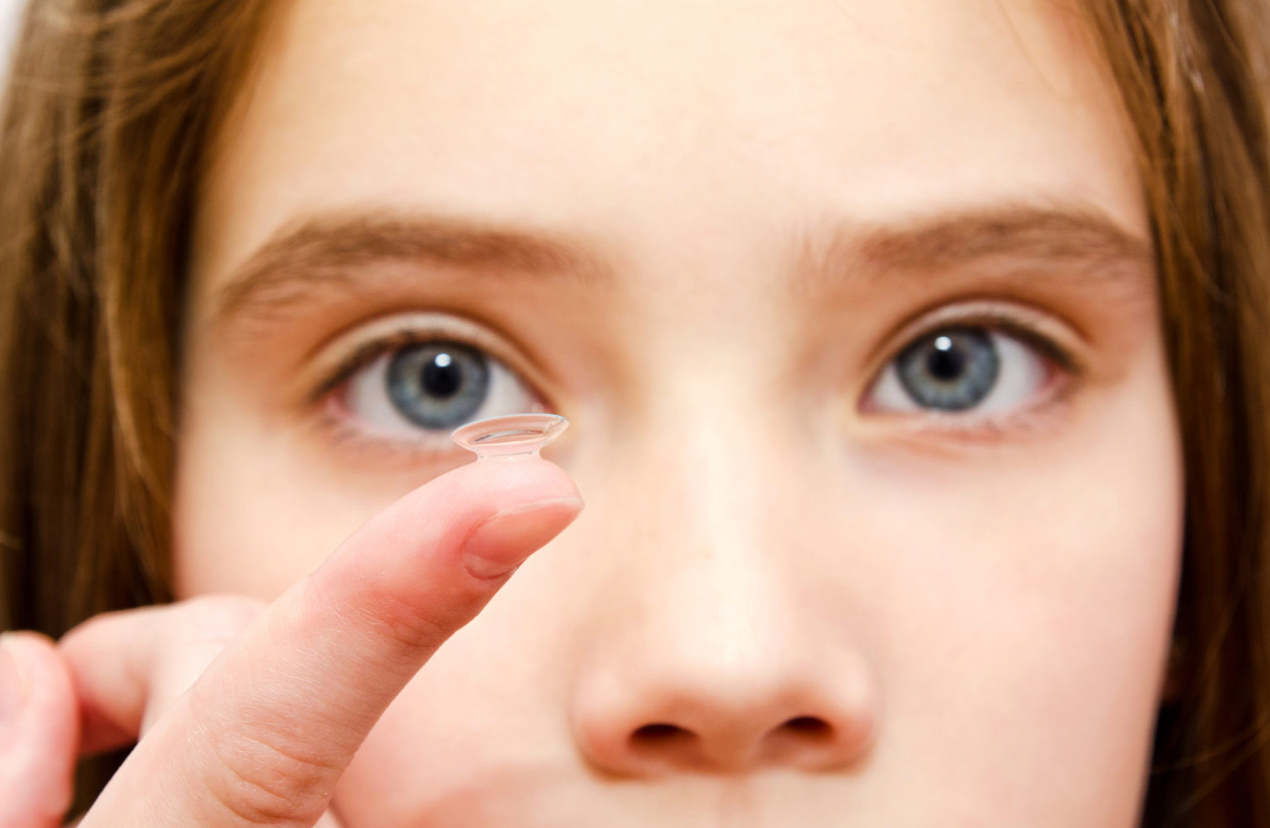
These are special rigid contact lenses worn only at night. While your child sleeps, the lenses gently reshape the cornea. In the morning, they pop the lenses out and can see clearly all day long — no glasses, no daytime contacts.
Ortho-K is FDA-approved for children, and multiple studies show it can slow the progression of myopia. Many parents love it because it gives kids freedom for sports, swimming, or simply playing outside without worrying about glasses.
- Combine Lifestyle and Medical Management
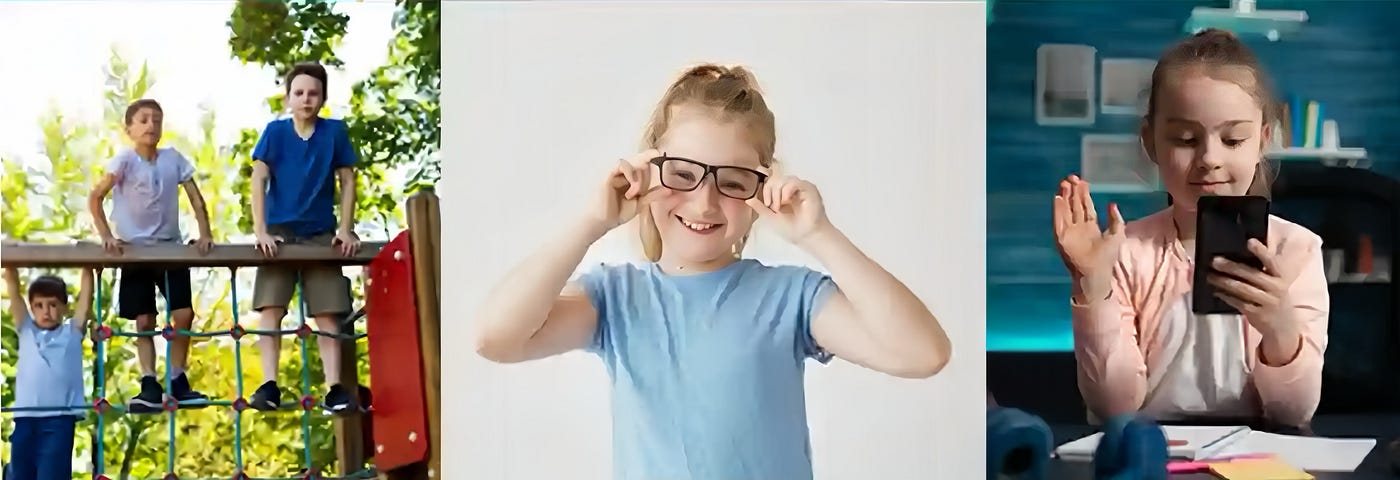
Even if your child is wearing glasses or Ortho-K lenses, the healthy habits still matter. Outdoor time, smart screen use, and yearly checkups work hand-in-hand with medical treatments to protect their vision. The combination gives you the best shot at keeping prescriptions from climbing quickly.
By taking this proactive approach — eye exams plus medical options plus daily habits — you’re helping your child stay comfortable, active, and confident while protecting their sight for the long run.
In today’s world, you can’t realistically ban screens — but you can teach your child how to use them wisely. Bigger screens, proper posture, softer brightness, regular outdoor play, and routine eye exams all add up to healthier vision.
And if your child does develop myopia, options like Ortho-K lenses combined with smart daily habits can keep it from progressing rapidly.Ultimately, healthy vision habits are like planting seeds for your child’s future. Small daily actions — guiding screen use, promoting outdoor play, and encouraging regular checkups — can have a lifelong impact, helping your child see the world clearly and confidently.
메타데이터
- post_id
- 5dc5091dbe8a
- slug
- nearsightedness-in-kids-prevention-and-solutions-for-parents-5dc5091dbe8a
- url
- https://medium.com/@sarahh28/nearsightedness-in-kids-prevention-and-solutions-for-parents-5dc5091dbe8a
- canonical_url
- https://medium.com/@sarahh28/nearsightedness-in-kids-prevention-and-solutions-for-parents-5dc5091dbe8a
- author_url
- https://medium.com/@sarahh28
- status
- ok
- fetched_at
- 2026-06-28 04:42:08