How User-Centric Design Is Driving the Rise of Dark Mode Interfaces
Dark mode has evolved from a design trend into a key component of modern user experience strategies. As people spend more time interacting…
How User-Centric Design Is Driving the Rise of Dark Mode Interfaces
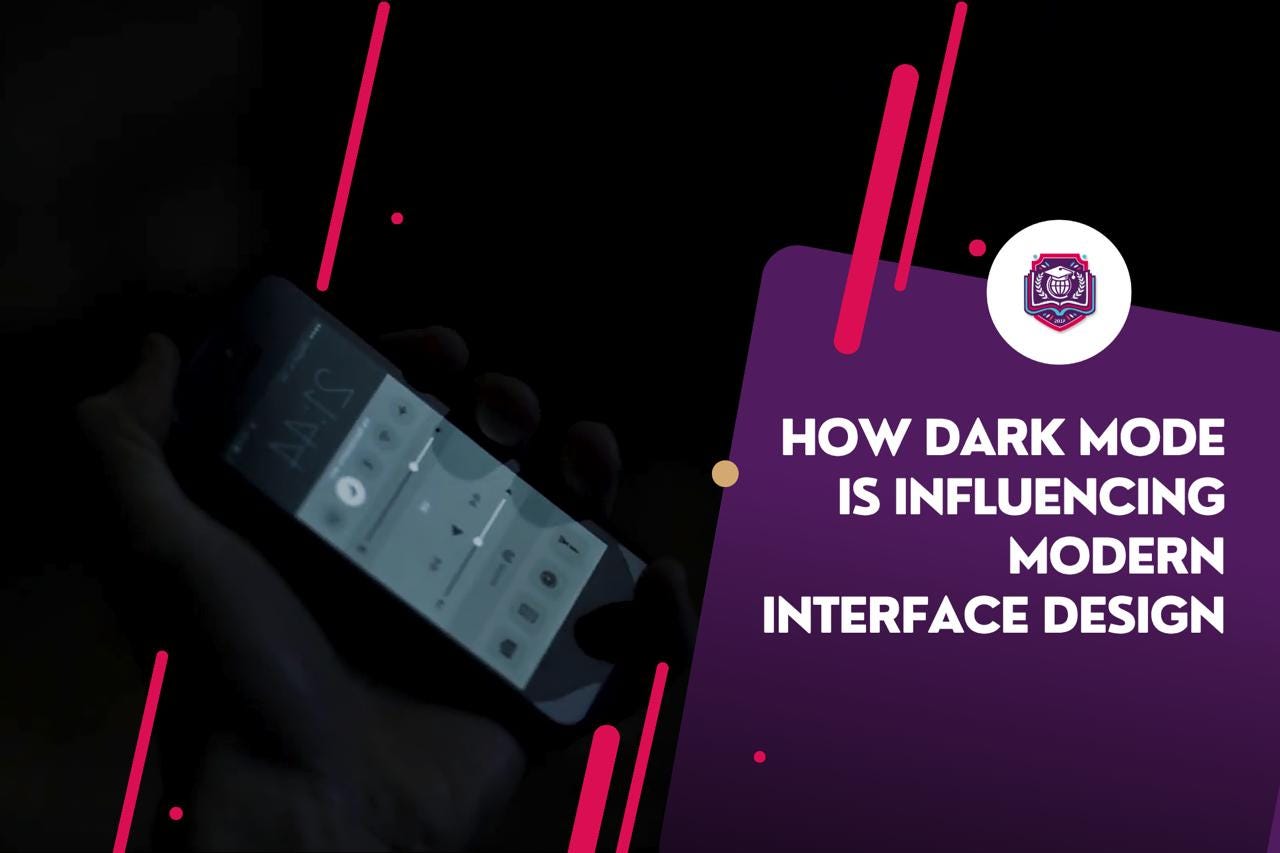
Dark mode has evolved from a design trend into a key component of modern user experience strategies. As people spend more time interacting with digital devices, designers are increasingly focused on creating interfaces that offer greater visual comfort, personalization, and accessibility.
Many websites, mobile applications, and software platforms now provide dark mode options as part of their standard user experience. This shift reflects a broader movement toward adaptive design that prioritizes individual user preferences.
One of the primary reasons for dark mode’s popularity is its ability to create a more comfortable viewing experience in low-light environments.
Users frequently browse content during evening hours, making bright interfaces feel harsh or distracting. Dark mode offers an alternative that many users find visually relaxing, particularly when engaging with content for extended periods.
For educational platforms such as Academy, providing theme flexibility can help support different learning preferences while creating a more comfortable digital environment for learners across devices.
Dark mode also influences how designers approach visual hierarchy.
In traditional light interfaces, darker elements naturally attract attention. In dark interfaces, designers must carefully use contrast, spacing, typography, and accent colors to guide users through content effectively. Every design element requires thoughtful consideration to maintain clarity and usability.
Color selection becomes especially important in dark-themed environments.
Rather than relying on bright backgrounds, designers often use carefully chosen accent colors to highlight navigation elements, buttons, notifications, and calls to action. This helps create focus without overwhelming users visually.
Organizations targeting keyword research courses in Kuwait can enhance user engagement by designing educational platforms that provide visually balanced interfaces optimized for both light and dark viewing experiences.
Typography plays a critical role as well.
Contrary to common assumptions, pure white text on a black background is not always ideal. Many designers use softer shades of gray and off-white tones to improve readability and reduce eye fatigue during longer reading sessions.
The rapid growth of mobile usage has further accelerated dark mode adoption.
Since smartphones are often used in various lighting conditions throughout the day, users increasingly expect applications to support multiple viewing options. Responsive dark mode experiences contribute to greater convenience and overall satisfaction.
User experience remains at the center of successful dark mode implementation.
Simply inverting colors is rarely enough. Designers must ensure that icons, images, forms, navigation systems, and interactive elements remain intuitive and accessible regardless of the selected theme.
Businesses offering e-commerce strategy courses in the United Kingdom can strengthen learner engagement by developing educational interfaces that maintain consistency and usability across both light and dark themes.
Accessibility is another important consideration.
While many users benefit from dark mode, others may prefer traditional interfaces depending on visual preferences or accessibility needs. The most effective design systems provide flexibility while maintaining strong contrast ratios, readability, and ease of navigation.
Dark mode also creates opportunities for stronger brand experiences.
Organizations can adapt their visual identity across multiple themes while preserving recognizable branding elements. Consistent design language helps maintain familiarity regardless of how users choose to view content.
Responsive design further supports dark mode functionality.
Modern users frequently switch between desktops, tablets, and smartphones. Providing a seamless experience across devices ensures greater consistency and improves overall satisfaction.
Businesses targeting e-commerce strategy courses in India can improve user engagement by combining dark mode functionality with responsive layouts, intuitive navigation, and user-focused educational experiences.
Design systems are increasingly being built with dark mode in mind from the beginning.
Rather than treating it as an afterthought, design teams now create reusable components that function effectively across multiple themes. This approach improves scalability while maintaining visual consistency throughout digital products.
User behavior analytics are helping organizations better understand how visitors interact with different interface themes.
Insights from engagement data, session duration, and user preferences allow designers to continuously refine experiences and improve usability across various audience segments.
Organizations promoting e-commerce strategy courses in Goa can strengthen digital engagement by combining personalized interface options with responsive design, accessibility-focused features, and well-structured educational content.
As digital experiences become more personalized, dark mode represents more than a visual preference. It reflects a broader shift toward adaptive, user-centered design that prioritizes comfort, accessibility, and flexibility.
Businesses that embrace these principles will be better positioned to create experiences that support long-term engagement and user satisfaction. Understanding how design choices influence behavior and usability is an area where **Academy** encourages professionals to explore the connection between user experience, interface design, and evolving digital expectations.
메타데이터
- post_id
- 5df7f6bd4e5a
- slug
- how-user-centric-design-is-driving-the-rise-of-dark-mode-interfaces-5df7f6bd4e5a
- url
- https://medium.com/@academybynigelquadros/how-user-centric-design-is-driving-the-rise-of-dark-mode-interfaces-5df7f6bd4e5a
- canonical_url
- https://medium.com/@academybynigelquadros/how-user-centric-design-is-driving-the-rise-of-dark-mode-interfaces-5df7f6bd4e5a
- author_url
- https://medium.com/@academybynigelquadros
- status
- ok
- fetched_at
- 2026-07-21 20:13:58