Understanding Populations at High Risk for Cancer
Cancer is a complex and multifaceted disease that can affect individuals regardless of their background, but certain populations are at a…
Understanding Populations at High Risk for Cancer
Cancer is a complex and multifaceted disease that can affect individuals regardless of their background, but certain populations are at a higher risk due to a combination of genetic, environmental, and lifestyle factors. This article explores the populations most susceptible to cancer, providing insights into why these groups are at increased risk and what measures can be taken to mitigate it.
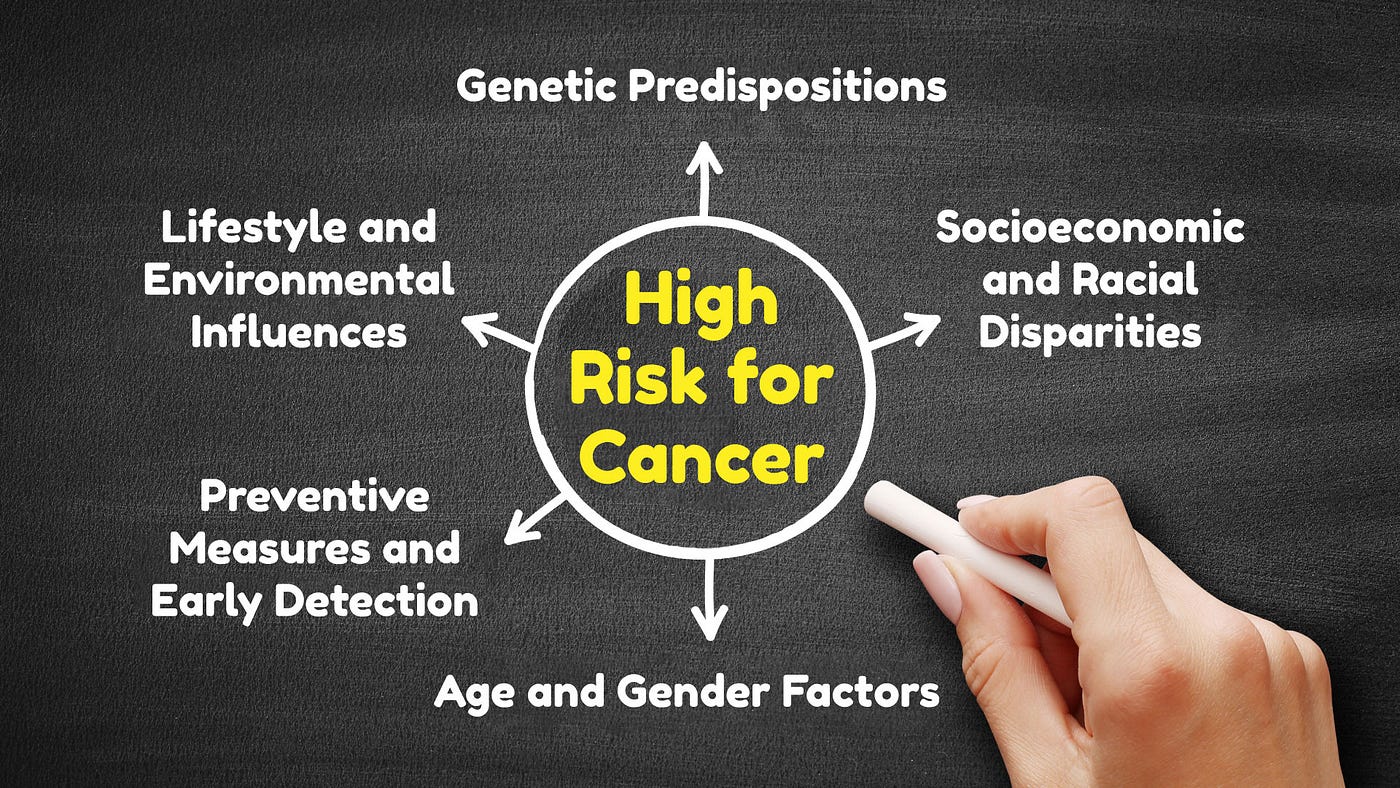
Genetic predispositions can put people at risk for certain types of cancer.
1. Genetic Predispositions
a. Individuals with Family Histories of Cancer
Family history plays a crucial role in cancer risk. Individuals with a close relative (parent, sibling, or child) who has had cancer are at increased risk. Certain inherited genetic mutations, such as BRCA1 and BRCA2, significantly raise the likelihood of breast and ovarian cancers.
Example: Women with BRCA1 or BRCA2 mutations have a markedly higher risk of developing breast cancer compared to the general population.
b. Genetic Syndromes
Specific genetic syndromes increase cancer susceptibility. For instance, Lynch syndrome is associated with a higher risk of colorectal cancer, while Li-Fraumeni syndrome elevates the risk for various cancers including breast, brain, and adrenal cancers.
2. Age and Gender Factors
a. Aging Population
Cancer risk generally increases with age. Older adults are more likely to develop cancer due to the accumulation of genetic mutations over time and a decline in the body’s ability to repair damaged DNA.
Statistics: Approximately 60% of all cancers are diagnosed in individuals aged 65 or older.
b. Gender-Specific Risks
Certain cancers are more common in one gender than the other. For example, prostate cancer is prevalent among men, while breast cancer is more common in women. Hormonal differences and reproductive factors contribute to these disparities.
Get screened with CANCER CHECK LABS.
3. Lifestyle and Environmental Influences
a. Smoking and Tobacco Use
Tobacco use is the leading cause of preventable cancer worldwide. Smokers are at a significantly higher risk for cancers of the lung, mouth, throat, and esophagus, among others.
Fact: About 85% of lung cancer cases are attributed to smoking.
b. Dietary and Obesity Factors
Obesity and poor diet are linked to various cancers, including colorectal, breast, and pancreatic cancers. High-fat diets, low physical activity, and obesity contribute to inflammation and insulin resistance, which can promote cancer development.
c. Exposure to Carcinogens
Occupational and environmental exposures to carcinogens (like asbestos or benzene) can increase cancer risk. People working in certain industries or living in areas with high pollution may be at higher risk.
4. Socioeconomic and Racial Disparities
a. Socioeconomic Status
Individuals with lower socioeconomic status often face barriers to accessing healthcare, including cancer screening and treatment. This can result in later-stage diagnoses and poorer outcomes.
Observation: Low-income populations are less likely to receive timely cancer screenings and preventive care.
b. Racial and Ethnic Differences
Certain racial and ethnic groups experience higher cancer risks. For example, African American men have a higher incidence of prostate cancer compared to Caucasian men. Additionally, specific genetic variations and socioeconomic factors contribute to these disparities.
5. Preventive Measures and Early Detection
Understanding the risk factors for different populations can help in developing targeted preventive strategies and early detection programs. Genetic screening for high-risk individuals, lifestyle modifications, and regular screenings are crucial steps in reducing cancer incidence and improving outcomes.

Recommendation: Public health initiatives should focus on increasing awareness about cancer risks and **providing accessible screening options** for high-risk populations.
A simple blood test will keep you a step ahead of cancer.
In Summary
Cancer risk is influenced by a combination of genetic, environmental, and lifestyle factors. By understanding which populations are at higher risk and the reasons behind it, we can better tailor prevention and treatment strategies to reduce the burden of cancer. Getting screened regularly is a proactive solution that empowers individuals to detect potential issues early, significantly improving outcomes. Ongoing research and public health efforts are essential in mitigating these risks and promoting overall health and well-being. Don’t wait — prioritize your health and get screened today!
메타데이터
- post_id
- 5e2b2ec8e1b0
- slug
- understanding-populations-at-high-risk-for-cancer-5e2b2ec8e1b0
- url
- https://medium.com/@srai_18150/understanding-populations-at-high-risk-for-cancer-5e2b2ec8e1b0
- canonical_url
- https://medium.com/@srai_18150/understanding-populations-at-high-risk-for-cancer-5e2b2ec8e1b0
- author_url
- https://medium.com/@srai_18150
- status
- ok
- fetched_at
- 2026-08-01 13:49:58