Vibe Coding Built My App in 3 Days: Here’s Why I’m Still Hiring a Professional Developer
Okay so I need to talk about something that the tech internet is slightly obsessed with right now, because the conversation has gotten…
Vibe Coding Built My App in 3 Days: Here’s Why I’m Still Hiring a Professional Developer
Okay so I need to talk about something that the tech internet is slightly obsessed with right now, because the conversation has gotten weirdly polarized and neither side is being fully honest.
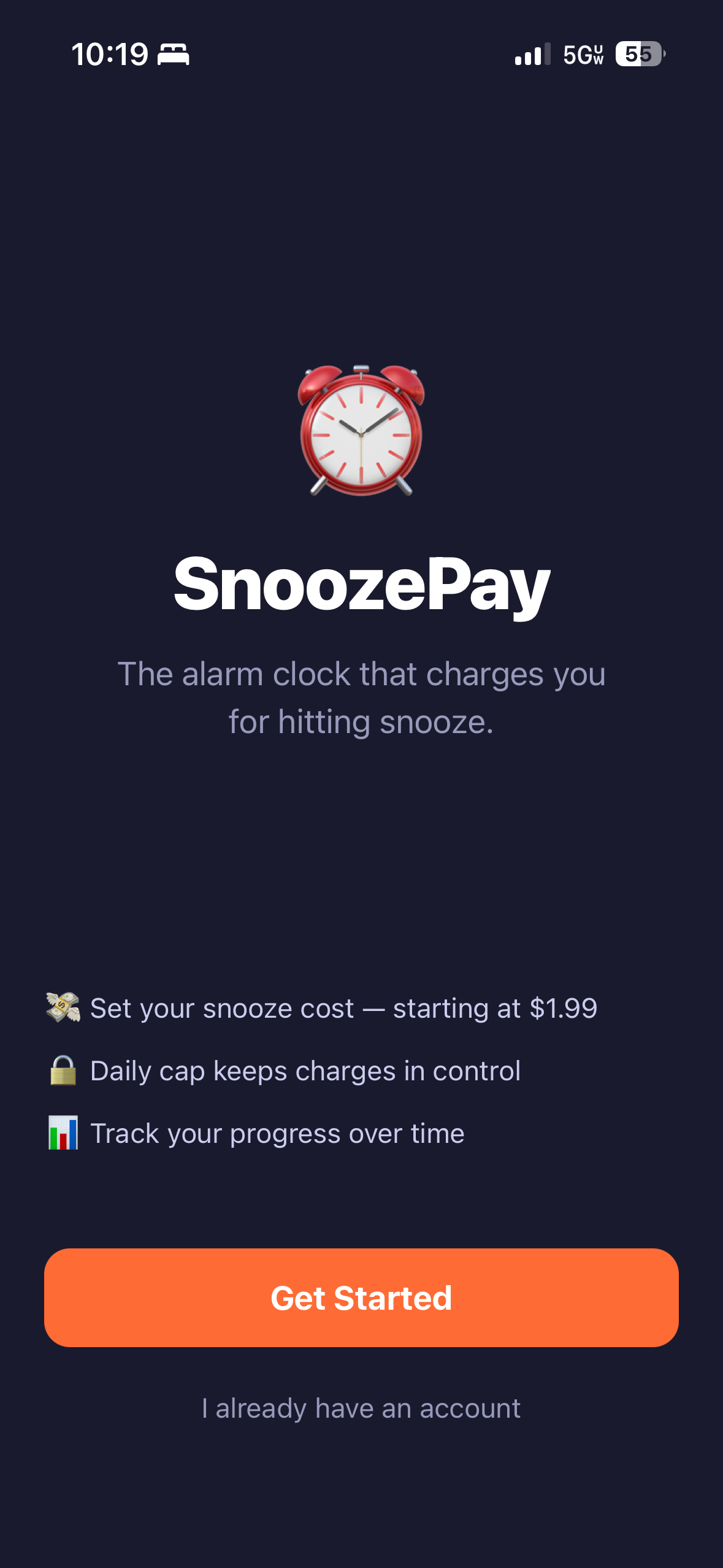
Vibe coding for anyone who hasn’t spent time on developer Twitter recently, is the practice of building software primarily through AI tools like Cursor, Lovable, or Bolt.new by describing what you want in plain language rather than writing code line by line. In early 2026, it’s genuinely capable of producing working apps in hours. A few weeks ago, someone in a startup community I follow shared a functional iOS app they’d built over a weekend with zero prior coding experience. It worked. People could download it.
And if you’re a business owner or entrepreneur searching for “can I build my app with AI tools in 2026”, the honest answer is: sometimes, yes. But there are things the vibe-coding evangelists aren’t telling you, and they matter quite a bit.
What Vibe Coding Actually Does Well
Let me be fair to this before I complicate it, because the tools genuinely have gotten impressive.
For validation-stage prototypes, vibe coding is kind of extraordinary. If you have an idea and you want to put something tangible in front of potential users in 72 hours to see if they care, AI-assisted development is dramatically faster and cheaper than any alternative that existed two years ago. The prototype might not be production-ready, but it’s real enough to get real reactions from real people, which is often all you need at that stage.
For internal tools, a simple dashboard, a data entry form for your team, something that will only be used by 10 people who can tolerate occasional weirdness, vibe coded tools are often genuinely sufficient. The stakes are lower, the user base is forgiving, and the speed advantage is real.
For founders or product managers who want to understand what they’re asking developers to build, going through the process of describing an app to an AI and watching it try to interpret your instructions is illuminating. You discover your own requirements gap in a way that no amount of document-writing does.
Where It Falls Apart, And It Does Fall Apart
Here’s the part the glossy success stories leave out.
Vibe coded apps are frequently insecure. Not because AI is malicious, obviously but because security isn’t something that shows up in a description of what you want. When you say “build me an app where users can log in and see their orders,” the AI builds something that functions. It may not build something that properly validates tokens, rate limits login attempts, handles session expiry correctly, or protects against injection attacks. It looks secure because it looks like code that should be secure. The bugs are structural, not syntactic, and they’re hard to spot if you don’t know what you’re looking for.
The research on this is pretty stark. A report from early 2026 found significant security vulnerabilities in a high percentage of publicly shared vibe-coded apps, missing authentication checks, exposed API keys in client-side code, database configurations that were essentially open. None of these things were obvious from using the app. They were only visible if someone audited the underlying code.
Beyond security, there’s the scalability problem. An app that works fine for 50 users often behaves very differently under 5,000. Database query patterns that are imperceptible at small scale become the thing that crashes your server at medium scale. Vibe coding tools optimize for the code that satisfies your description, not for the code that performs well under load you haven’t experienced yet.
And then there’s the maintenance reality. When something breaks in a vibe-coded app six months after it was built, fixing it requires understanding the code the AI wrote. If the original developer (you, or the AI) didn’t document decisions or the code is structured in ways that are opaque, debugging becomes significantly more expensive than it would have been with properly architected code from the start.
The Honest Framing
Vibe coding and professional mobile development aren’t competitors. They’re tools for different stages and different stakes.
The right way to think about it: use AI tools to explore, validate, and prototype. Use professional developers to build the thing that real users depend on.
A startup that used Lovable to test whether people would pay for their idea, then hired a proper mobile app development team to build the production version, that’s a smart allocation of resources at different stages. The vibe coded prototype cost them almost nothing and validated the concept. The professional build cost real money and gave them something they could actually scale on.
The businesses getting hurt are the ones that skip the second step. Who takes the vibe-coded prototype, decides it “works,” and launches it publicly without a security review, proper error handling, or any thought about what happens when the first real user does something the AI didn’t anticipate.
What to Ask a Developer When You Have a Vibe-Coded Prototype
If you’ve built something with AI tools and you’re wondering whether to take it to production, a professional developer should be able to give you an honest assessment. The right questions to ask them:
What security vulnerabilities can you see in this codebase? (And pay attention to whether they actually look at the code before answering or give you a generic answer.)
How would this perform with 1,000 concurrent users? What would break first?
What would a proper rebuild cost, and what would it get me that this version doesn’t have?
Sometimes the answer will be “actually this is pretty solid, here’s what needs patching.” Sometimes it will be “this needs to be rebuilt from scratch.” Either answer is valuable information. The worst outcome is not knowing.
FAQ
Q: What is vibe coding exactly?
It’s the practice of building software primarily by describing what you want in natural language to AI tools, rather than writing code manually. Tools like Cursor, Bolt.new, and Lovable.dev are the main platforms. The AI writes the code; you review and iterate.
Q: Is vibe coding killing traditional software development jobs?
Not in any near-term sense. It’s changing the nature of some work, especially repetitive boilerplate and scaffolding tasks, but the demand for developers who can architect systems, review AI-generated code for quality and security, and solve genuinely novel problems has, if anything, increased.
Q: Can a non-technical founder trust a vibe-coded app for their startup?
For a prototype to validate demand: yes. For a production app handling real user data or money: not without a professional security and architecture review first.
Q: How do I know if my vibe-coded app needs a professional rebuild?
If it handles user data, payments, or sensitive information, get a code audit before launching publicly. If it’s an internal tool that 5 people use, probably fine as is.
Q: What’s the best vibe-coding tool in 2026?
Depends on the use case. Lovable is strong for full-stack web apps. Bolt.new is fast for prototyping. Cursor is better for developers who want AI assistance within a real codebase rather than starting from scratch. For mobile specifically, the tooling is less mature, most vibe-coding tools generate React Native or web-wrapped apps rather than truly native experiences.
메타데이터
- post_id
- 5e5f59fa4690
- slug
- vibe-coding-built-my-app-in-3-days-heres-why-i-m-still-hiring-a-professional-developer-5e5f59fa4690
- url
- https://medium.com/@mittaltechnologiespromotion/vibe-coding-built-my-app-in-3-days-heres-why-i-m-still-hiring-a-professional-developer-5e5f59fa4690
- canonical_url
- https://medium.com/@mittaltechnologiespromotion/vibe-coding-built-my-app-in-3-days-heres-why-i-m-still-hiring-a-professional-developer-5e5f59fa4690
- author_url
- https://medium.com/@mittaltechnologiespromotion
- status
- ok
- fetched_at
- 2026-06-17 08:20:12