How to Create a Year-Round Grazing Plan for Your Horse
How to Create a Year-Round Grazing Plan for Your Horse
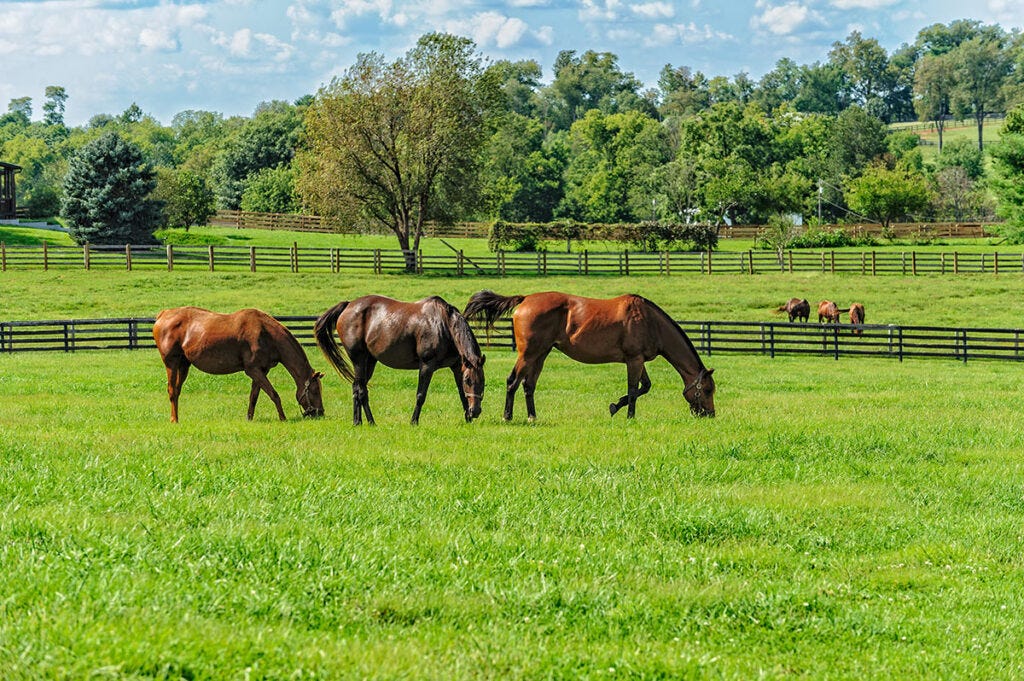
A well-managed grazing plan helps maintain healthy pastures, supports your horse’s nutritional needs, and can reduce feed costs throughout the year. By planning ahead and adapting to seasonal changes, horse owners can make the most of their grazing land while protecting it from overuse.
Why a Grazing Plan Matters
Many horse owners underestimate how quickly pasture quality can decline without proper management. Overgrazing can lead to poor grass growth, increased weed invasion, soil compaction, and muddy conditions during wet weather. A year-round grazing plan helps maintain productive fields while supporting your horse’s health and wellbeing.
Assess Your Land
Start by evaluating your available grazing.
Consider:
- Total acreage available
- Number of horses using the land
- Soil type and drainage
- Existing grass species
- Areas prone to poaching or flooding
- Fencing and water access
As a general guide, many horse owners aim for around 1 – 2 acres per horse, although this varies depending on land quality and management practices.
Divide Fields into Grazing Areas
Rotational grazing is one of the most effective ways to maintain healthy pasture.
Dividing larger fields into smaller paddocks allows:
- Grass recovery between grazing periods
- Reduced parasite burden
- Better control of grazing pressure
- Improved grass quality throughout the year
Temporary electric fencing can provide a flexible and cost-effective solution.
Spring: Managing Rapid Growth
Spring grass is highly nutritious and grows quickly.
Key tasks include:
- Introduce horses gradually to rich spring grass.
- Monitor horses prone to laminitis.
- Rotate paddocks regularly.
- Harrow and roll fields if conditions allow.
- Remove weeds before they establish.
This is also a good time to carry out soil testing and apply fertiliser if recommended.
Summer: Maintaining Grass Quality
Grass growth often slows during dry spells.
To maximise summer grazing:
- Avoid overstocking paddocks.
- Move horses before grass becomes too short.
- Rest heavily grazed areas.
- Top long, ungrazed patches to encourage fresh growth.
- Provide additional forage if grass becomes sparse.
Maintaining a grass height of approximately 5 – 8cm helps encourage healthy regrowth.
Autumn: Preparing for Winter
Autumn is the ideal time to prepare fields for the challenges of winter.
Focus on:
- Resting fields that will be used in spring.
- Overseeding bare patches.
- Improving drainage where necessary.
- Removing ragwort and other harmful weeds.
- Assessing winter forage requirements.
Good autumn management can significantly improve pasture performance the following year.
Winter: Protecting Your Land
Winter can be particularly challenging for horse paddocks, especially during periods of heavy rainfall.
Consider:
- Using a sacrifice paddock or winter turnout area.
- Feeding hay in designated locations to reduce damage.
- Rotating feeding stations to minimise mud build-up.
- Restricting access to vulnerable fields.
- Monitoring gateways and high-traffic areas.
Accepting some field damage in a designated area can help preserve the rest of your grazing land.
Incorporate Parasite Control
Pasture management plays an important role in worm control.
Best practices include:
- Regular poo-picking
- Rotational grazing
- Mixed grazing with sheep or cattle where appropriate
- Following veterinary advice on targeted worming programmes
An integrated approach can reduce reliance on routine worming treatments.
Monitor and Adjust
No grazing plan should remain fixed throughout the year.
Regularly assess:
- Grass availability
- Ground conditions
- Horse condition scores
- Weather patterns
- Seasonal growth rates
Being flexible allows you to respond to changing conditions before problems develop.
Final Thoughts
Creating a year-round grazing plan requires some organisation, but the benefits are considerable. Healthier pastures, reduced feeding costs, improved horse welfare, and fewer management headaches make the effort worthwhile. By understanding seasonal changes and managing grazing proactively, horse owners can enjoy productive fields throughout the year while protecting their land for future seasons.
메타데이터
- post_id
- 5e8340bdfe5d
- slug
- how-to-create-a-year-round-grazing-plan-for-your-horse-5e8340bdfe5d
- url
- https://medium.com/@Coffeeandcanter/how-to-create-a-year-round-grazing-plan-for-your-horse-5e8340bdfe5d
- canonical_url
- https://medium.com/@Coffeeandcanter/how-to-create-a-year-round-grazing-plan-for-your-horse-5e8340bdfe5d
- author_url
- https://medium.com/@Coffeeandcanter
- status
- ok
- fetched_at
- 2026-06-23 21:39:52