Exploring EMT Basic Life Support Skills for the NREMT Exam
The journey to becoming a certified EMT involves a rigorous examination process, with the NREMT Exam acting as the gatekeeper to a…
Exploring EMT Basic Life Support Skills for the NREMT Exam
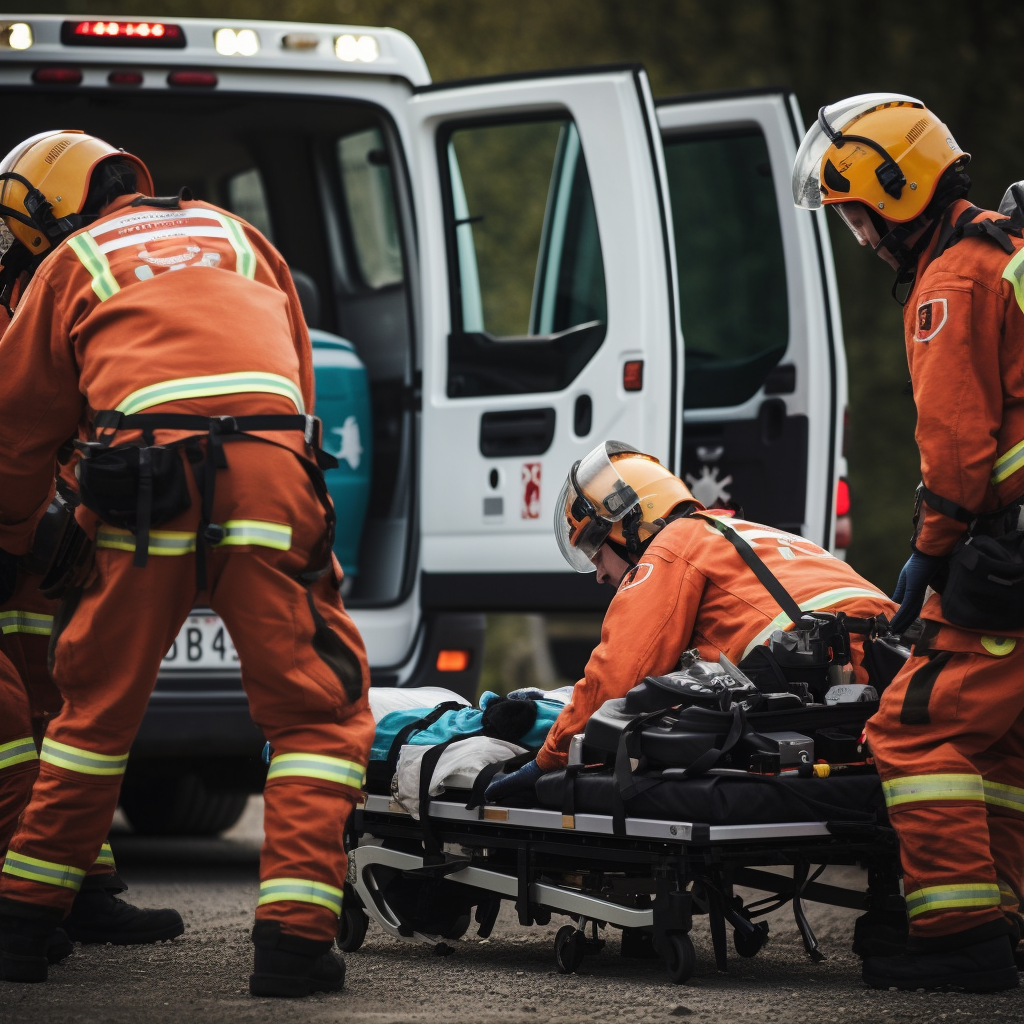
The journey to becoming a certified EMT involves a rigorous examination process, with the NREMT Exam acting as the gatekeeper to a rewarding career in Emergency Medical Services. Among the most fundamental aspects tested in this examination are the EMT Basic Life Support (BLS) skills. These skills form the foundation of pre-hospital care and are absolutely essential for every aspiring EMT. This guide provides an in-depth look at these BLS skills and offers insights on how they are evaluated in the NREMT Exam.
Get ready to pass your EMT NREMT exams with “EMT Exam 2024: Advanced Prep”! Crafted by industry professionals, our app is tailored to turn your exam fears into triumph. With extensive study guides, practice quizzes, and real-life exam simulations, you’ll be more prepared than ever. Monitor your growth, identify areas to improve, and stride confidently towards your goal.
The Bedrock of Emergency Medical Services: Basic Life Support
When emergencies occur, the golden hour — the first hour after a traumatic injury — often determines the patient’s chance of survival and long-term recovery. Within this golden hour, BLS skills are pivotal. They encompass a set of non-invasive life-saving procedures that EMTs can administer before reaching a medical facility.
Core EMT Basic Life Support Skills
While BLS skills cover a broad spectrum, there are some fundamental ones that are critical for the NREMT Exam. Let’s delve into these key skills.
1. Scene Safety and Initial Assessment
Before any intervention, an EMT must ensure the scene is safe for both the patient and themselves. Once safety is ascertained, the initial assessment begins, involving checking the patient’s level of consciousness, airway, breathing, and circulation.
2. CPR (Cardiopulmonary Resuscitation)
Arguably one of the most recognized BLS skills, CPR involves rhythmic chest compressions combined with rescue breaths to maintain circulation and oxygenation in patients with no pulse and who are not breathing.
Key Points for NREMT Exam:
- Compression depth and rate
- Proper hand placement
- Breaths-to-compressions ratio
3. Airway Management
Maintaining a clear airway is crucial. EMTs are trained in various techniques and devices such as the use of oropharyngeal and nasopharyngeal airways.
4. Choking
From the Heimlich maneuver for adults to back slaps and chest thrusts for infants, managing a choking patient is a vital BLS skill. Recognizing the signs of partial versus complete airway obstruction is key.
5. Automated External Defibrillator (AED) Use
AEDs provide life-saving electrical shocks to victims of sudden cardiac arrest. Proper pad placement, safety precautions during shock delivery, and post-shock patient care are critical aspects to master.
6. Patient Positioning
Different emergencies necessitate different patient positions. Whether it’s the recovery position for unconscious but breathing patients or elevating the legs for a shock patient, positioning plays a significant role in patient care.
7. Bleeding Control
This involves the use of direct pressure, tourniquets, and bandages to control external bleeding. EMTs must be able to differentiate between venous, arterial, and capillary bleeding and apply the appropriate control measures.
8. Oxygen Administration
Knowing when and how to administer supplemental oxygen, and the appropriate delivery devices, such as nasal cannula or non-rebreather masks, is crucial.
Preparing for the NREMT Exam: Focusing on BLS Skills
With such an emphasis on EMT Basic Life Support Skills in the NREMT Exam, here are strategies to ensure you’re well-prepared:
- Hands-on Practice: Theoretical knowledge is essential, but BLS skills are hands-on. Engage in regular practice sessions.
- Simulated Scenarios: Join or organize mock emergency situations. Responding in real-time can reinforce learning.
- Stay Updated: BLS guidelines, especially CPR, can change based on new research. Ensure you’re updated with the latest protocols.
- Seek Feedback: Whether during training or mock sessions, request feedback. Constructive critique can spotlight areas for improvement.
- Review with Study Groups: Collaborative learning can provide different perspectives and techniques, enhancing understanding.
Concluding Thoughts
EMT Basic Life Support Skills are not just examination topics; they’re life-saving tools in the arsenal of every emergency medical professional. By mastering these skills, you’re not only paving the way to excel in the NREMT Exam but also ensuring you’re prepared for the unpredictable nature of Emergency Medical Services. With dedication, practice, and the thirst for knowledge, every aspiring EMT can be the beacon of hope in someone’s golden hour.
Get ready to pass your EMT NREMT exams with “EMT Exam 2024: Advanced Prep”! Crafted by industry professionals, our app is tailored to turn your exam fears into triumph. With extensive study guides, practice quizzes, and real-life exam simulations, you’ll be more prepared than ever. Monitor your growth, identify areas to improve, and stride confidently towards your goal.
메타데이터
- post_id
- 5e9543cf90e5
- slug
- exploring-emt-basic-life-support-skills-for-the-nremt-exam-5e9543cf90e5
- url
- https://medium.com/@emrnremt/exploring-emt-basic-life-support-skills-for-the-nremt-exam-5e9543cf90e5
- canonical_url
- https://medium.com/@emrnremt/exploring-emt-basic-life-support-skills-for-the-nremt-exam-5e9543cf90e5
- author_url
- https://medium.com/@emrnremt
- status
- ok
- fetched_at
- 2026-06-29 01:02:39