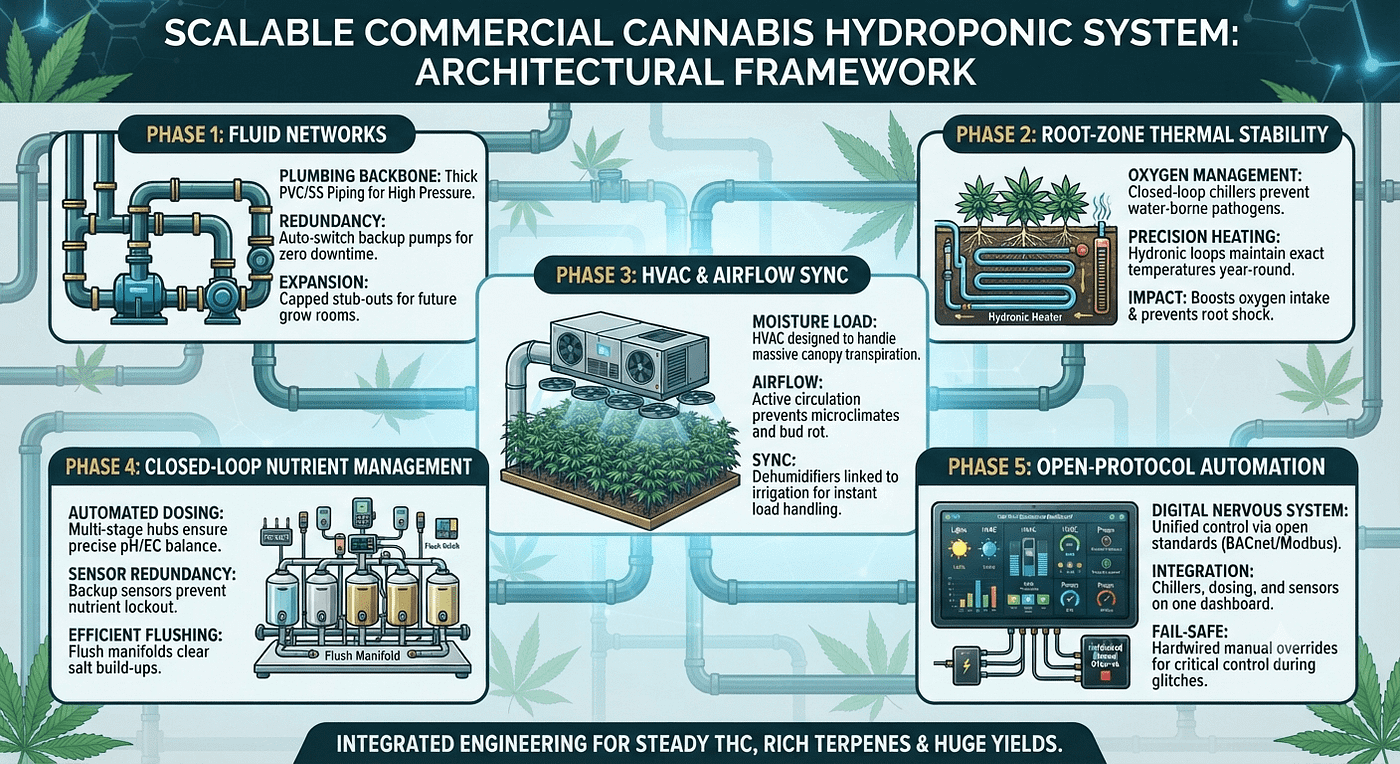
Why Hydronic Heating is the Gold Standard for Greenhouse Climate Control
Hydronic Heating Systems: The Gold Standard for Greenhouses
Why Hydronic Heating is the Gold Standard for Greenhouse Climate Control
Hydronic Heating Systems: The Gold Standard for Greenhouses

Why Hydronic Heating Systems are the Gold Standard
- Introduction
For commercial greenhouse teams, the gap between a huge harvest and total crop loss often comes down to one thing: steady heat. In the tough world of modern farming, relying on weak or old tech is a risk no manager should take. When looking at your facility gear, top growers view **hydronic heating systems** as the gold standard for keeping a tight, stable grow space all year long.
2. The Physics of Precision Growing
Old forced-air units often cause bad heat layering inside a greenhouse. Air that is warmed at a high point rises fast, creating hot pockets near the roof. This leaves the plant canopy and root zones open to cold damage and creates uneven zones that ruin even growth.
In contrast, hydronic heating systems function by moving hot water through pipes set right at the bench, floor, or wall level. This path relies on radiant heat. It warms the soil, benches, and plant structures directly, rather than just blowing hot air around.
By warming the physical mass of the facility, growers ensure that every square foot of the greenhouse provides the same ideal conditions for growth. This eliminates the sudden jumps that lead to stunted crops or plant disease. This radiant path is superior because it fights off the cooling effect of the greenhouse glass. It ensures plants stay at a top growth pace no matter the outdoor weather.
3. Low Waste and ROI
Fuel bills represent one of the largest ongoing costs in controlled environment farming. Because water holds heat much better than air, it is a far more efficient tool to move energy. These setups offer massive long-term fuel savings by holding warmth longer and sending it right to your crop rows.
Further, because hydronic heating systems can be split into separate zones with high precision, managers can direct warmth exactly where it is needed during specific grow cycles. This targeted approach prevents the wasted energy common with heating empty aisles, walkways, or dark zones in large operations.
Beyond simple heat movement, modern setups utilize smart, modulating boilers. Unlike legacy burners that only turn on or off; causing huge fuel spikes; modern boilers can shift their output to match real-time needs. This leads to a smoother burn, much lower fuel bills, and less wear on the ignition parts. Over a multi-year period, this drop in fuel use is substantial, adding directly to the profits of your farm.
4. Integration with Modern Automation
The modern greenhouse is an ecosystem of data and tools. Today’s advanced climate computers require gear that can respond fast to real-time sensors and complex grow plans. hydronic heating systems excel in this regard, offering clean pairing with digital control setups.
With the addition of smart valves, variable pumps, and modulating boilers, the loop can adjust water flow instantly in response to outdoor weather shifts or indoor moisture data. This level of control is vital for keeping the strict, steady state required for high-value crops in wild climates. A sudden drop in the outdoor air could otherwise spell disaster for young seedlings or flowering crops.
5. Facility Resilience and Longevity
When upgrading or designing a facility, long gear life is a key metric for professional greenhouse managers. While air-based heaters are prone to metal cracks, burner rust, and frequent part failures, well-installed hydronic heating systems are celebrated for their tough, industrial-grade build.
The simple nature of a closed-loop design means there are fewer moving parts exposed to the damp, humid, and corrosive air of a working greenhouse. With proper water care; like basic pH balance checks, clearing out air pockets, and using glycol for freeze protection; the core piping and boiler base can stay operational for decades.
Unlike forced-air units that often need replacement every 10 to 12 years due to cracked heat exchangers, a fluid loop acts as a permanent, high-value asset. This reliability is the primary reason why industry leaders view these setups as a strategic, long-term buy rather than a temporary patch.
6. Addressing the Upfront Investment
While the initial design and build costs for hydronic heating systems can be higher than other choices due to the complex pipe grids, the total cost of ownership tells a different story. When you factor in lower monthly fuel bills, vastly reduced repair needs, and the drop in crop loss risks, the return on your cash becomes clear within just a few seasons. A high-quality thermal base is not just a utility. It is a critical safeguard for your business assets that provides a level of peace of mind that standard forced-air systems simply cannot match.
7. Final Thoughts
Choosing the right climate setup is a defining choice for the future of your operation. By prioritizing steady heat, low fuel use, and smart tech pairing, you position your greenhouse for long-term success. As the industry continues to move toward more sustainable and productive models, hydronic heating systems will remain the foundational technology that allows professional growers to maintain the competitive edge needed to thrive in any season.
메타데이터
- post_id
- 5ea2da73e0ae
- slug
- why-hydronic-heating-is-the-gold-standard-for-greenhouse-climate-control-5ea2da73e0ae
- url
- https://medium.com/@biotherm.solutions360/why-hydronic-heating-is-the-gold-standard-for-greenhouse-climate-control-5ea2da73e0ae
- canonical_url
- https://medium.com/@biotherm.solutions360/why-hydronic-heating-is-the-gold-standard-for-greenhouse-climate-control-5ea2da73e0ae
- author_url
- https://medium.com/@biotherm.solutions360
- status
- ok
- fetched_at
- 2026-07-13 06:23:13