What Makes Transistors Bipolar (BJT) RF So Crucial in Modern Electronics?
Transistors have been pivotal to the evolution of electronics, with Bipolar Junction Transistors (BJTs) playing a significant role in…
What Makes Transistors Bipolar (BJT) RF So Crucial in Modern Electronics?

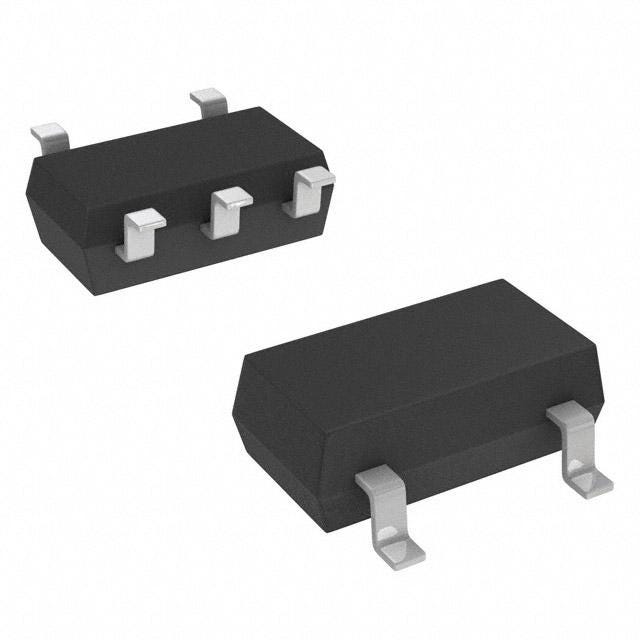
Transistors Bipolar (BJT) RF
Transistors have been pivotal to the evolution of electronics, with Bipolar Junction Transistors (BJTs) playing a significant role in various applications, especially in Radio Frequency (RF) systems. Their ability to amplify and switch signals efficiently makes them indispensable in technologies that handle high-frequency signals. But how exactly do BJT RF transistors work, and why are they so essential in modern electronic devices? Let’s dive into the world of BJT RF transistors, examining their working principle, unique characteristics, and their importance in RF systems.
What is a Bipolar Junction Transistor (BJT)?
A **Transistor Bipolar (BJT) RF** is a type of transistor that uses both electron and hole charge carriers to function, unlike Field-Effect Transistors (FETs) that rely on a single type of carrier. A BJT consists of three key regions:
- Emitter: The source of charge carriers (either electrons or holes).
- Base: The central region that controls the transistor’s operation by regulating the flow of charge carriers between the emitter and collector.
- Collector: The region where charge carriers are collected after passing through the base.
When a small current flows into the base, it modulates a much larger current between the collector and emitter, allowing the transistor to amplify electrical signals.
How Do BJT RF Transistors Operate?
BJT RF **transistors** function through the principle of current amplification, making them highly effective for high-frequency applications. The base current controls the larger current flowing between the collector and emitter. Amplification is essential for boosting weak RF signals, such as those received by antennas or broadcast transmitters.
Amplification Process
When an RF signal enters a BJT RF transistor, a small input current at the base results in a much larger current flowing between the collector and emitter. This increase in current is proportional to the base current, allowing the transistor to amplify the original signal. The transistor can operate as a linear amplifier or as a switch, depending on the application.
Switching Function
BJTs can also serve as electronic **switches**. By applying or removing a small current at the base, the transistor can control the flow of current between the collector and emitter, switching the circuit on or off. This functionality is especially useful in digital circuits and RF signal modulation.
Characteristics of BJT RF Transistors
BJT RF transistors have unique characteristics that make them ideal for RF applications. These include:
High Current Gain
The most prominent feature of BJTs is their high current gain. A small current applied to the base can control a much larger current between the collector and emitter. This characteristic makes BJTs excellent for amplifying weak RF signals, ensuring that they are strong enough for further processing and transmission.
Frequency Response
BJT RF transistors are designed to operate efficiently at high frequencies, which is why they are used in RF amplifiers, **oscillators**, and other signal-processing circuits. These transistors can handle frequencies in the MHz to GHz range, making them suitable for use in communication systems, radar, and broadcasting applications.
Low Noise
BJTs are known for their low noise characteristics, a crucial factor in RF applications. Low noise ensures the amplified signal remains clear, free of unwanted interference that can degrade the communication system’s quality. This feature is particularly valuable in sensitive applications, such as satellite communication or wireless signal transmission.
Power Efficiency
Power efficiency is another key advantage of BJTs in RF systems. BJTs can amplify signals without consuming excessive amounts of power, making them ideal for battery-powered devices, mobile communication systems, and other energy-conscious applications.
Applications of BJT RF Transistors
BJT RF transistors are widely used across a variety of RF applications, thanks to their efficiency and reliability in amplifying and switching high-frequency signals. Below are some of the most common uses:
RF Amplifiers
BJT RF transistors are commonly used in RF amplifiers, where their amplification capabilities are essential for boosting weak RF signals. These amplifiers are found in many devices, such as radios, televisions, and communication systems. The high gain of BJT RF transistors ensures that signals are strong enough to be processed or transmitted over long distances.
Signal Oscillators
BJTs are also used in signal oscillators, which generate high-frequency signals. These oscillators are essential for applications such as frequency modulation, signal generation, and radio transmission. By utilising the amplification and switching properties of BJTs, oscillators can generate stable and continuous RF signals.
Mixers
**RF mixers** combine two different frequency signals into a single signal. BJTs are used in mixers to amplify and combine signals, making them suitable for modulation schemes in communication systems. The versatility of BJTs allows them to perform well in different types of mixers, whether for frequency modulation or amplitude modulation.
Radar Systems
Radar systems rely heavily on high-frequency signal processing, in which BJT RF transistors amplify and transmit signals. BJTs enable radar systems to detect objects over long distances by providing the amplification needed for RF signals.
Wireless Communication Devices
BJTs are crucial in the development of wireless communication devices, such as smartphones, Wi-Fi **routers**, and Bluetooth transmitters. These devices rely on BJT RF transistors to amplify and process RF signals, ensuring smooth, uninterrupted communication.
Types of BJT RF Transistors
There are several different types of BJT RF transistors designed for specific applications. These include:
NPN and PNP Transistors
The two basic configurations of BJTs are NPN and PNP. In an NPN transistor, current flows from the emitter to the collector, while in a PNP transistor, current flows in the opposite direction. The choice between NPN and PNP depends on the circuit requirements and the desired direction of current flow.
Low-Noise Transistors
Low-noise BJTs are designed to minimise signal interference. They are instrumental in applications such as **RF receivers** and amplifiers, where maintaining signal clarity is essential. These transistors ensure that the amplified signal remains free from external noise and distortion.
High-Power Transistors
High-power BJT RF transistors are specifically built to handle higher currents and voltages. These transistors are used in applications that require significant power, such as transmitters, radar systems, and extensive communication networks. Their ability to handle high power ensures reliable signal transmission over long distances.
Why Are BJT RF Transistors Important for High-Frequency Applications?
BJT RF transistors are integral to the performance of high-frequency circuits for several reasons:
- Signal Amplification: They are ideal for amplifying weak signals, which is essential in RF communication systems and other high-frequency applications.
- Wide Frequency Range: Their ability to handle a broad range of frequencies makes them versatile for a wide range of RF applications.
- Noise Reduction: Their low noise characteristics ensure signal quality is maintained even at high amplification levels.
- Efficiency: BJT RF transistors are power-efficient, making them suitable for portable devices and applications that require low power consumption.
Conclusion
BJT RF transistors are indispensable in **modern electronics**, providing reliable amplification and switching capabilities for high-frequency signals. Their unique characteristics, such as high gain, low noise, and wide frequency range, make them ideal for applications ranging from communication systems to radar technology. As RF systems continue to evolve, the role of BJT RF transistors in ensuring efficient and stable signal processing remains as vital as ever. Whether in wireless communication, broadcasting, or advanced radar systems, BJT RF transistors are the foundation of reliable high-frequency signal amplification.
메타데이터
- post_id
- 5eb4e88b2a33
- slug
- what-makes-transistors-bipolar-bjt-rf-so-crucial-in-modern-electronics-5eb4e88b2a33
- url
- https://medium.com/@joddiemarshall6/what-makes-transistors-bipolar-bjt-rf-so-crucial-in-modern-electronics-5eb4e88b2a33
- canonical_url
- https://medium.com/@joddiemarshall6/what-makes-transistors-bipolar-bjt-rf-so-crucial-in-modern-electronics-5eb4e88b2a33
- author_url
- https://medium.com/@joddiemarshall6
- status
- ok
- fetched_at
- 2026-07-13 06:23:13