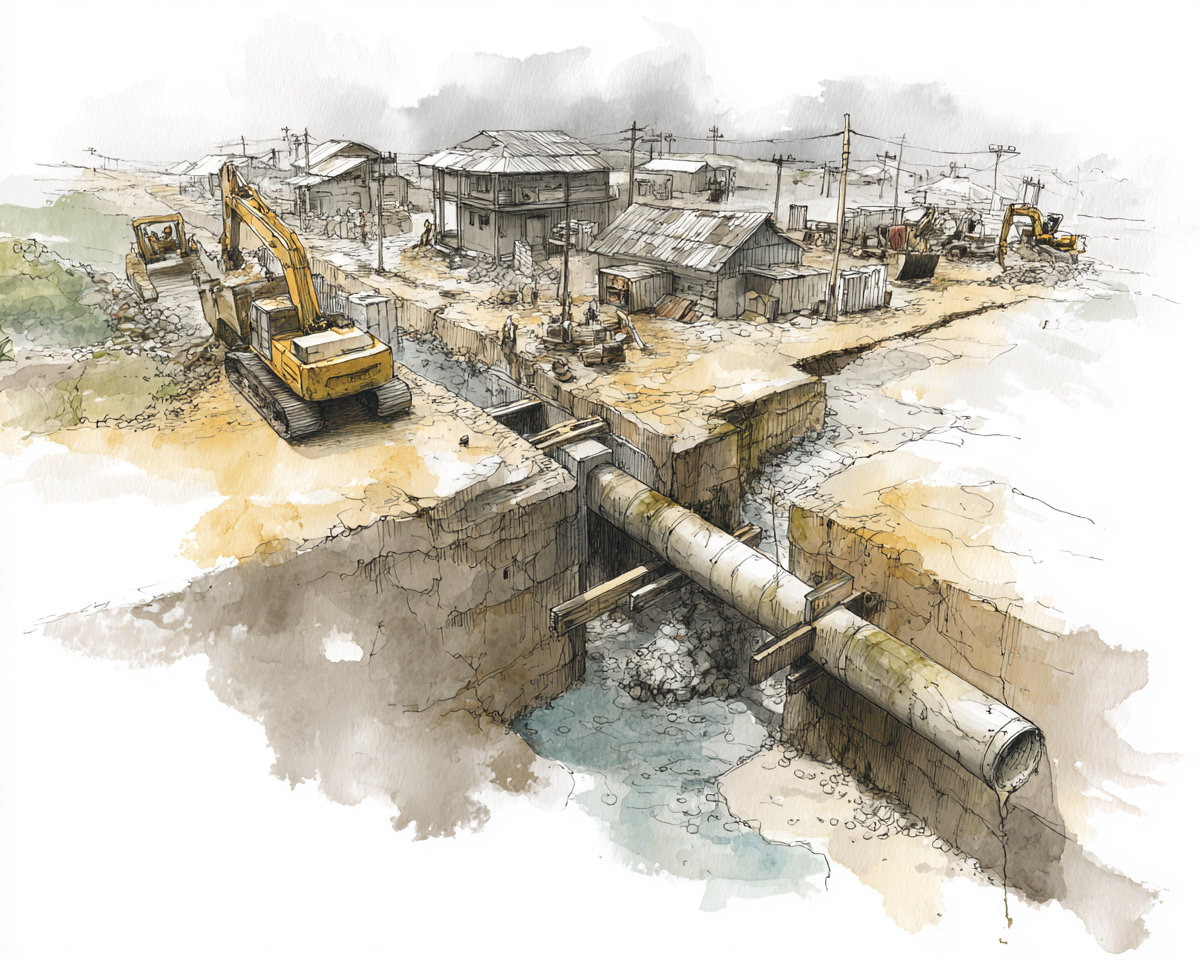
Who Audits the Auditors? Designing Independent Oversight That Works
A system cannot police itself indefinitely. Eventually, oversight itself must be examined.
Who Audits the Auditors? Designing Independent Oversight That Works
A system cannot police itself indefinitely. Eventually, oversight itself must be examined.
Oversight institutions are meant to protect public accountability, yet they often suffer from the same weaknesses as the systems they monitor: opacity, politicization, and weak performance measurement. This essay argues that oversight in the Philippines must itself become auditable, transparent, and structurally independent. Accountability cannot stop at the auditor. It must extend upward into the architecture of oversight itself.
Every government creates watchdogs.
Audit bodies. Anti-corruption agencies. Oversight committees. Internal review boards.
They are supposed to protect public trust.
And for a while, people believe in them.
Until eventually, the same questions emerge:
Who watches the watchdogs? Who verifies the investigators? Who ensures the auditors themselves are not compromised?
Because power changes people.
And institutions without accountability eventually begin to resemble the systems they were created to monitor.
Oversight Is Not Automatically Independent
We often assume oversight bodies are neutral by default.
They are not.
They are still:
- staffed by people,
- influenced by incentives,
- shaped by politics,
- constrained by budgets,
- and vulnerable to pressure.
An oversight agency can become:
- selective,
- performative,
- slow,
- or politically convenient.
Not always through direct corruption.
Sometimes through institutional drift.
The Illusion of Accountability Through Existence
In the Philippines, we often treat the creation of oversight bodies as proof of reform.
A scandal happens. A task force is formed. A committee is created. A review begins.
But creating oversight is not the same as creating accountability.
If oversight itself lacks:
- transparency,
- measurable standards,
- independent verification,
then it risks becoming symbolic.
Oversight cannot rely on reputation alone.
It must itself be structured for scrutiny.
Why Oversight Bodies Eventually Lose Trust
Public trust erodes when oversight appears:
- selective,
- delayed,
- inconsistent,
- or politically timed.
People begin noticing patterns:
- some cases move quickly,
- others disappear quietly,
- some officials are pursued aggressively,
- others seem untouchable.
Even if explanations exist, perception matters.
Once people suspect that oversight depends on politics rather than process, credibility weakens.
And credibility is the only real power oversight institutions possess.
Oversight Fails When It Becomes Reactive
Most oversight systems operate after damage occurs.
Funds disappear. Projects fail. Fraud is exposed.
Then investigations begin.
But reactive oversight has limitations:
- evidence degrades,
- records become incomplete,
- responsibility becomes diffuse.
By the time auditors arrive, the system has already absorbed the damage.
Oversight must evolve from:
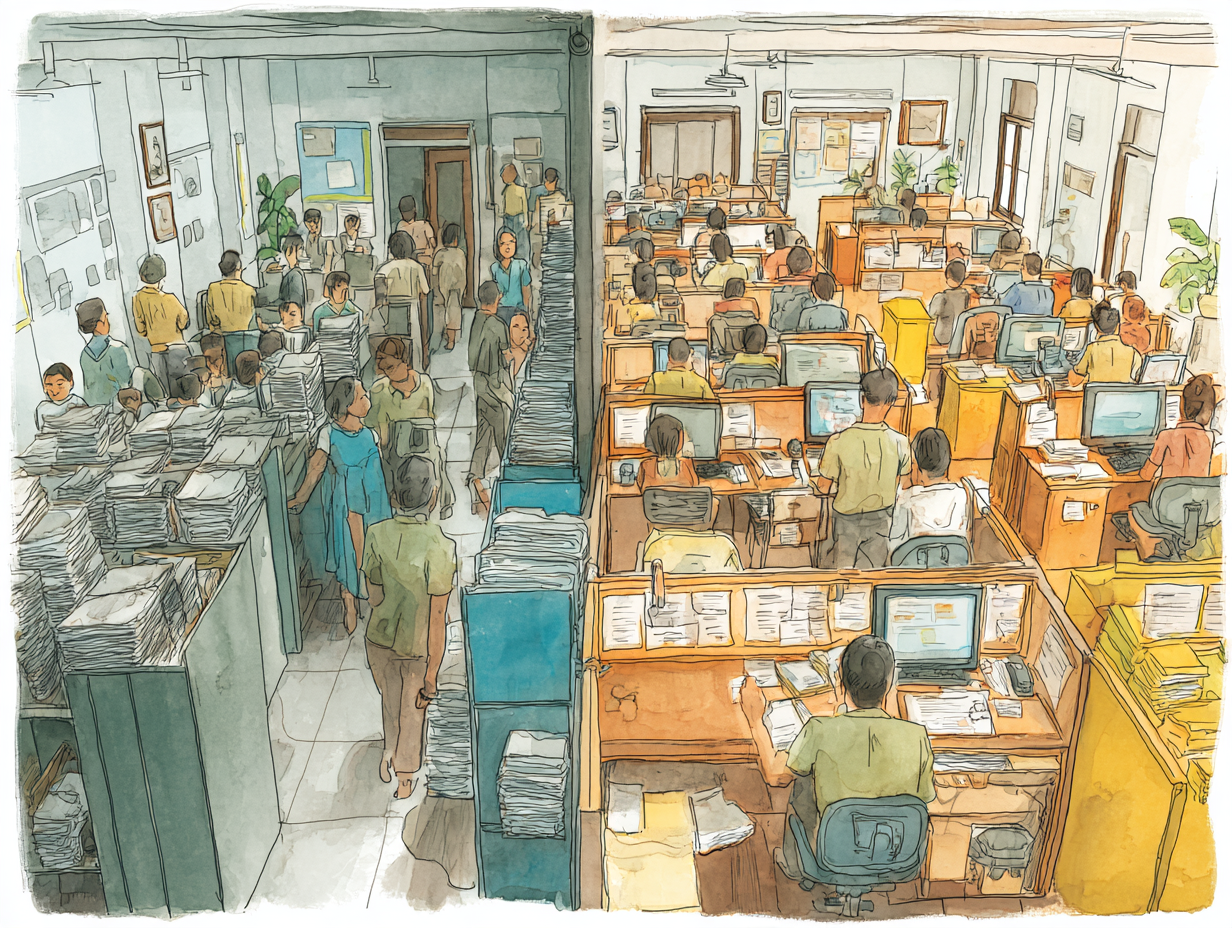
- retrospective → continuous
- periodic → real-time
- document-based → data-driven
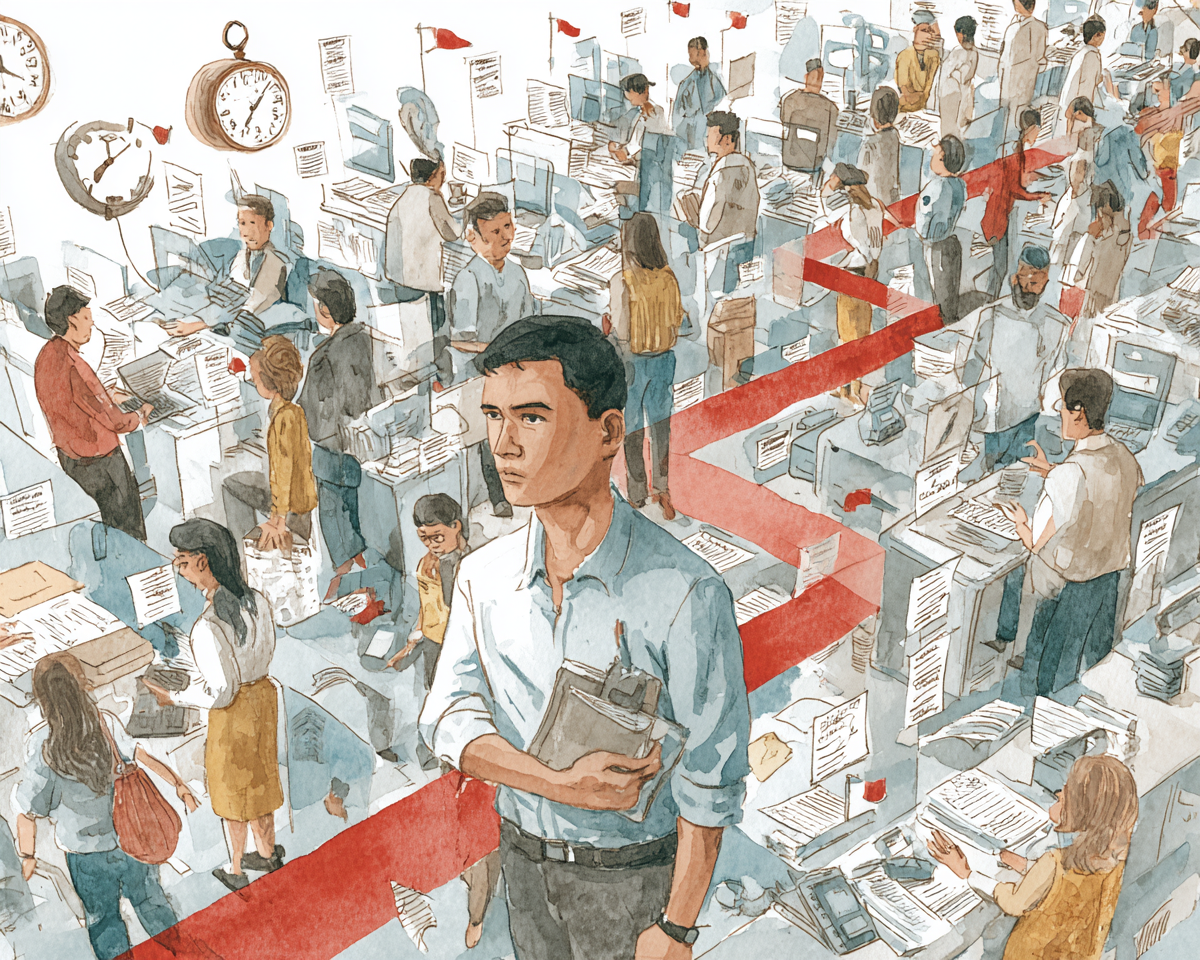
The Core Problem: Oversight Often Depends on Manual Processes
Many oversight mechanisms still rely heavily on:
- submitted reports,
- paper trails,
- manual audits,
- delayed verification.
This creates:
- reporting gaps,
- audit bottlenecks,
- and opportunities for manipulation.
Manual oversight cannot scale effectively against modern complexity.
Especially when billions move through fragmented systems.
Designing Oversight That Audits Itself
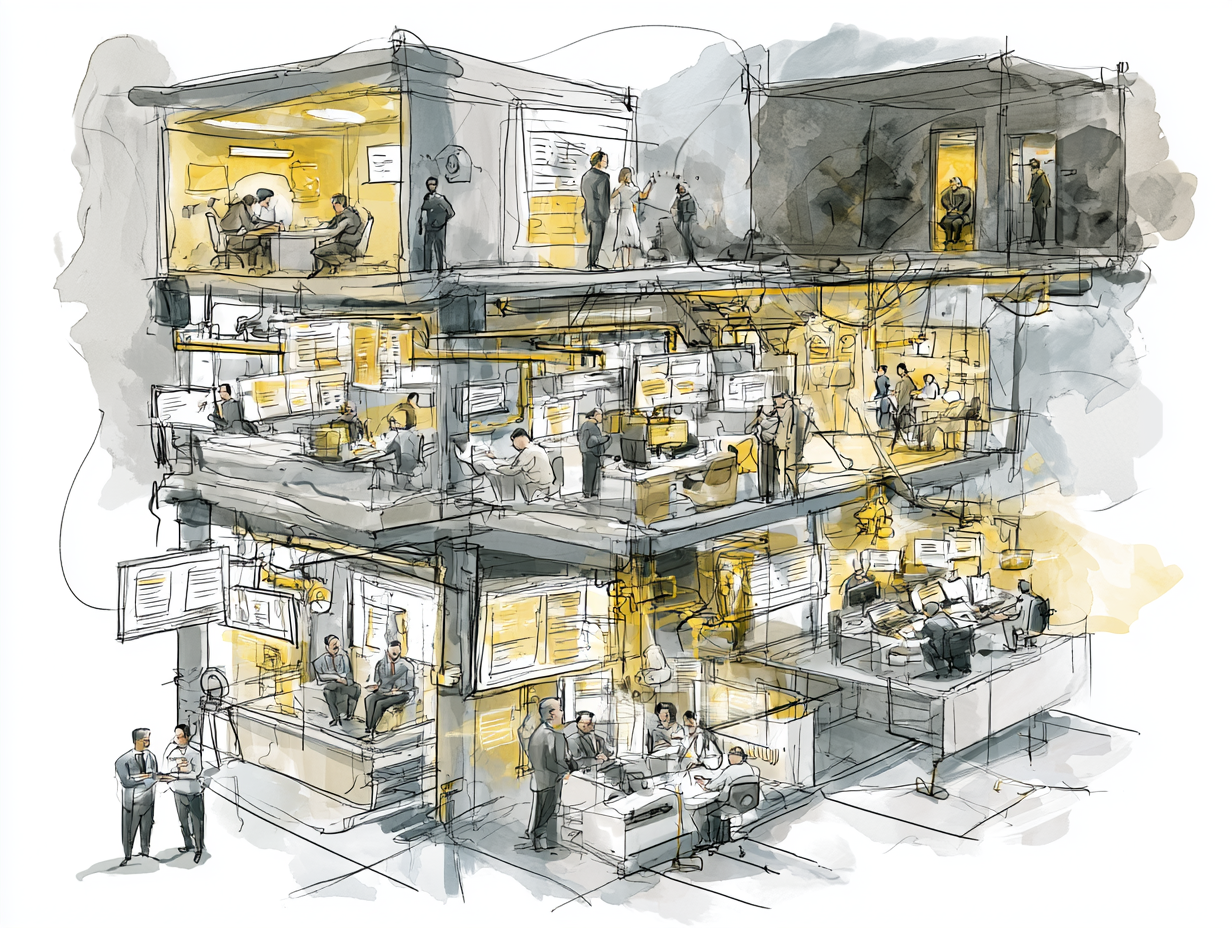
A serious accountability system must include accountability for the oversight body itself.
This means:
- audit trails for auditors,
- transparent review standards,
- performance metrics for investigations,
- independent appeals mechanisms.
Oversight should not operate inside a black box.
If an institution has the power to investigate others, its own processes must be visible and reviewable.
Real-Time Oversight Through Integrated Data Systems
The future of oversight is not more paperwork.
It is integrated visibility.
Imagine systems where:
- procurement data,
- project disbursements,
- contractor performance,
- agency timelines,
are connected into a unified monitoring framework.
Oversight bodies would not wait for annual reports.
They would see anomalies as they emerge.
AI and Pattern Detection in Public Auditing
Modern systems can detect:
- unusual spending behavior,
- repeated contractor irregularities,
- abnormal procurement pricing,
- suspicious payment clustering.
Not through intuition.
Through pattern analysis.
Human auditors remain essential.
But their role shifts from:
- manually searching → strategically investigating.
Technology expands oversight capacity dramatically.
Structural Independence Matters More Than Public Statements
Oversight bodies cannot function properly if:
- leadership changes constantly with politics,
- funding is vulnerable to retaliation,
- investigations depend on political permission.
Independence requires:
- protected operational authority,
- fixed institutional safeguards,
- transparent appointment processes.
Otherwise, oversight becomes conditional.
And conditional accountability is fragile.
Public Transparency as a Force Multiplier
Oversight becomes stronger when the public can see:
- investigation timelines,
- case status,
- audit completion rates,
- institutional performance metrics.
Not confidential evidence.
Structural transparency.
This creates pressure not just on agencies — but on the oversight bodies themselves.
Visibility disciplines institutions.
The Cultural Problem: We Personalize Accountability
In the Philippines, accountability often revolves around personalities.
People trust:
- certain officials,
- certain investigators,
- certain administrations.
But personal trust is unstable.
Institutions must function regardless of who leads them.
A mature accountability system does not depend on heroic individuals.
It depends on durable process.
Oversight Without Capacity Is Theater
Some oversight institutions are expected to monitor:
- massive budgets,
- thousands of projects,
- countless transactions,
with:
- outdated systems,
- limited staff,
- fragmented data.
Then we act surprised when failures occur.
Oversight without modern capability becomes ceremonial.
And ceremonial accountability changes nothing.
Why This Matters for the Entire Reform Agenda
Everything collapses without credible oversight.
Without it:
- procurement reform weakens
- tax systems lose trust
- national wealth funds become vulnerable
- digital systems become politicized
Oversight is not a side function.
It is the immune system of governance.
If the immune system fails, corruption spreads everywhere else.
Accountability Must Be Circular
The mistake is believing accountability has an endpoint.
It doesn’t.
Every institution with power must itself be reviewable.
Every auditor must leave a trail. Every investigation must follow standards. Every oversight body must face oversight.
That is not distrust.
That is maturity.
A modern state is not one that assumes institutions are incorruptible.
It is one that assumes every institution needs structure strong enough to withstand human weakness.
Because in the end, the question is not whether auditors are honest.
The question is whether the system is designed so honesty is not the only thing protecting it.
And that is the difference between symbolic oversight and real accountability.
메타데이터
- post_id
- 5f005c19eefa
- slug
- who-audits-the-auditors-designing-independent-oversight-that-works-5f005c19eefa
- url
- https://medium.com/@crmlmcchia2/who-audits-the-auditors-designing-independent-oversight-that-works-5f005c19eefa
- canonical_url
- https://medium.com/@crmlmcchia2/who-audits-the-auditors-designing-independent-oversight-that-works-5f005c19eefa
- author_url
- https://medium.com/@crmlmcchia2
- status
- ok
- fetched_at
- 2026-06-11 15:16:29