Why Telepsychiatry Is Not a Compromise: It Is Often the Better Option
When telehealth expanded rapidly out of necessity a few years ago, a lot of people assumed it was a stopgap. A temporary workaround for an…
Why Telepsychiatry Is Not a Compromise: It Is Often the Better Option
When telehealth expanded rapidly out of necessity a few years ago, a lot of people assumed it was a stopgap. A temporary workaround for an unusual moment. Something that would quietly fade back once things returned to normal and patients could sit in waiting rooms again.
What actually happened was different. Patients tried it, many of them for the first time and under circumstances that gave them no other choice, and a significant number of them discovered something unexpected. It worked. In some ways it worked better.
Telepsychiatry in particular has emerged not as the lesser alternative to in-person psychiatric care but as something that, for many patients, genuinely serves them more effectively. Understanding why requires looking honestly at what the barriers to mental health care actually are and how the format of care delivery either reinforces or removes them.
The waiting room was always a barrier
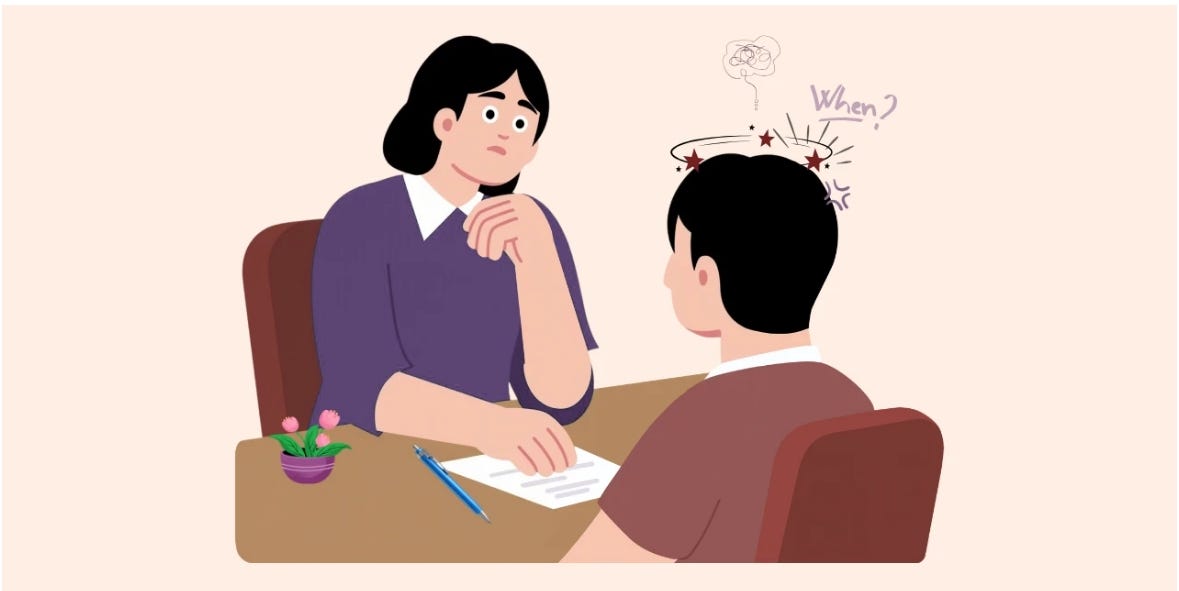
There is a particular kind of courage it takes to walk into a mental health clinic for the first time. You park the car. You walk through a door that announces to anyone who might see you exactly where you are going and why. You sit in a waiting room with strangers. You navigate the small social exposure of being seen seeking help in a context where stigma still lives in the background of many people’s minds.
For some patients, this is a minor inconvenience. For others, it is the thing that has kept them from making the appointment for months or years. The threshold is simply too high for what feels like an already vulnerable act.
Telepsychiatry removes that threshold almost entirely. The first appointment happens in a familiar environment, usually home, where the patient already feels safe. That reduction in ambient stress is not trivial. It changes the emotional starting point of the conversation in ways that actually matter for therapeutic quality.
Access is the most important clinical factor nobody talks about
The best psychiatric care in the world does not help someone who cannot access it. And access in mental health has historically been limited by geography, transportation, scheduling constraints, and the particular challenge of taking time away from work or family for appointments that carry social sensitivity.
Rural communities have some of the highest rates of mental health need in the country and some of the lowest concentrations of psychiatric providers. Telepsychiatry changes the equation fundamentally for patients who would otherwise be managing anxiety, depression, or ADHD without professional support simply because the nearest qualified psychiatrist is an hour away and has a three-month waitlist.
Even in well-served urban areas, the logistics of in-person appointments create dropout. A patient who has to leave work early, navigate traffic, find parking, and sit in a waiting room before a thirty-minute appointment is a patient who will reschedule when life gets complicated. Telepsychiatry appointments are kept at much higher rates, and consistency of care is one of the strongest predictors of positive outcomes in psychiatric treatment.
The therapeutic environment question
The most common skepticism about telepsychiatry from a clinical standpoint centers on whether something meaningful is lost when the interaction moves to a screen. Whether the nuances of body language, the physical presence of the therapeutic relationship, the texture of being in a room together matter in ways that cannot be replicated remotely.
It is a fair question and the honest answer is that for some patients and some presentations, in-person care remains preferable. A patient experiencing a severe psychiatric crisis, someone whose living environment is not safe or private, or someone whose condition involves a high degree of somatic presentation may be better served by physical presence.
But for the broad majority of people seeking support for anxiety, depression, ADHD, and related conditions, the research has not shown meaningful differences in outcomes between telepsychiatry and in-person care. What it has shown is that patients engage more consistently and drop out less frequently when care is delivered in a format that reduces friction.
What actually makes psychiatric care work
Psychiatric care works when patients show up, stay engaged, and feel safe enough to be honest. Those conditions are influenced by the quality of the clinician, the therapeutic relationship, the consistency of the treatment plan, and the absence of barriers that cause people to disengage.
Telepsychiatry does not compromise any of those factors. For a meaningful proportion of patients, it actively improves them by making care more accessible, more consistent, and less burdened by the logistical and social friction that has kept mental health treatment out of reach for too long.
The compromise framing was always backwards. For many patients, telepsychiatry is not the second-best option. It is simply the option that works.
메타데이터
- post_id
- 5f61efeb37fd
- slug
- why-telepsychiatry-is-not-a-compromise-it-is-often-the-better-option-5f61efeb37fd
- url
- https://medium.com/@beautifulmindsstx/why-telepsychiatry-is-not-a-compromise-it-is-often-the-better-option-5f61efeb37fd
- canonical_url
- https://medium.com/@beautifulmindsstx/why-telepsychiatry-is-not-a-compromise-it-is-often-the-better-option-5f61efeb37fd
- author_url
- https://medium.com/@beautifulmindsstx
- status
- ok
- fetched_at
- 2026-08-01 23:10:12