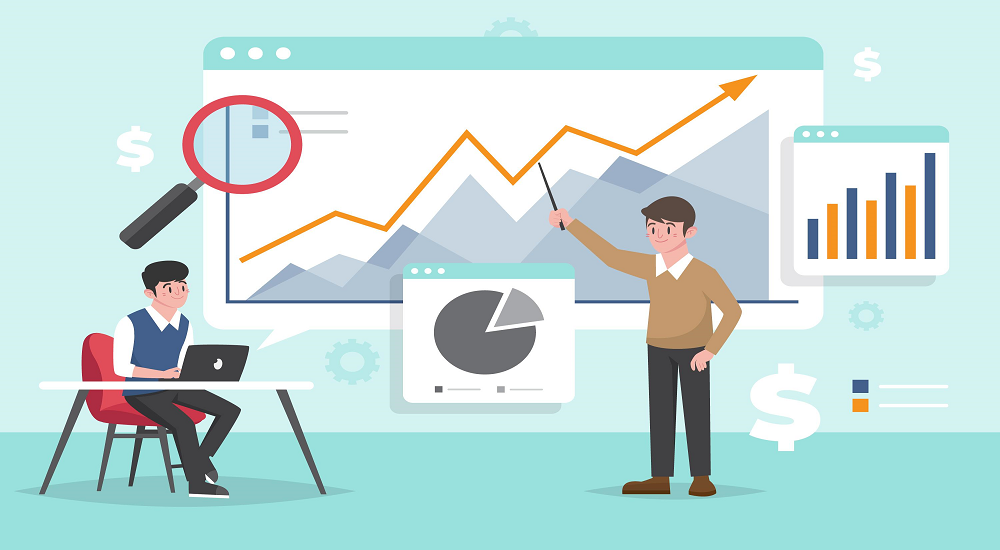
How Demand Forecasts Drive Better Business Decisions
Explore our AI-based SaaS platform to predict sales volume and demand trends. To know more, visit: https://thousense.ai/pricing
How Demand Forecasts Drive Better Business Decisions
Explore our AI-based SaaS platform to predict sales volume and demand trends. To know more, visit: https://thousense.ai/pricing

In today’s fast-paced business environment, making informed decisions is crucial for staying competitive. One of the most effective ways companies can do this is through demand forecasting. Accurate demand forecasts enable businesses to predict future consumer behavior, optimize inventory, and align operations with market needs. But how exactly do **demand forecasts** drive better business decisions? Let’s explore this in detail.
Understanding Demand Forecasting
At its core, demand forecasting is the process of predicting future customer demand based on historical data, market trends, and other influencing factors. Businesses use various techniques — from statistical models to machine learning algorithms — to forecast how much of a product or service will be required in the future. These forecasts help businesses plan everything from production and staffing to inventory management and marketing strategies.
The goal of demand forecasting is to anticipate demand as accurately as possible. While no method can predict the future with absolute certainty, well-executed demand forecasting provides businesses with a reliable roadmap that helps minimize uncertainties and risks.
How Demand Forecasting Supports Strategic Business Decisions
Demand forecasts are more than just numbers on a spreadsheet; they play a central role in shaping key business strategies. By integrating demand forecasting into decision-making, companies can optimize various aspects of their operations, from supply chain management to marketing campaigns.
1. Enhancing Inventory Management
One of the most significant ways demand forecasts drive business decisions is through inventory management. Accurate demand forecasts help businesses understand how much of a product they are likely to sell in the coming weeks or months. This allows companies to maintain the right amount of stock, avoiding both overstocking and stockouts.
Overstocking leads to unnecessary inventory costs, while stockouts can result in lost sales and unhappy customers. By having an accurate forecast in place, businesses can strike the right balance, ensuring they meet customer demand without tying up excessive capital in inventory.
2. Optimizing Production Schedules
Production planning is another area where **demand forecasting** plays a crucial role. By understanding future demand, businesses can adjust production schedules to align with predicted sales volumes. This ensures that products are available when needed and that manufacturers aren’t producing more than what’s necessary.
For example, a seasonal business that sees a spike in demand during certain months can use demand forecasts to ramp up production ahead of time. This foresight minimizes delays, reduces the chances of last-minute production overruns, and ensures smooth operations during peak demand periods.
3. Improving Financial Planning
Demand forecasting doesn’t just impact physical operations; it also influences financial decision-making. A reliable demand forecast allows companies to predict revenue streams more accurately. This, in turn, helps businesses plan their budgets, allocate resources, and manage cash flow more effectively.
By projecting future demand, businesses can also make informed decisions about investments and expenses. For instance, a company may choose to invest in expanding its infrastructure or hiring more staff based on a forecasted increase in demand. On the other hand, if demand is expected to decline, businesses may consider cutting costs or postponing certain expenditures.
4. Facilitating Better Marketing Strategies
Another area where demand forecasting plays a pivotal role is in shaping marketing efforts. By understanding upcoming demand, businesses can craft targeted marketing campaigns that resonate with customers at the right time. For example, if demand forecasting indicates a peak in sales for a particular product category, marketing teams can create promotional strategies in advance to drive interest and maximize sales during that period.
Additionally, demand forecasts enable businesses to better allocate their marketing budgets. Rather than spending on blanket promotions, companies can focus their resources on the products or services that are expected to generate the most revenue. This results in more efficient marketing and higher returns on investment.
5. Strengthening Customer Satisfaction
Customer satisfaction is another critical area influenced by demand forecasting. When businesses can accurately predict demand, they are more likely to have the right products in stock and ready to ship when customers need them. This reduces the likelihood of stockouts, which can lead to frustrated customers and lost sales.
By aligning inventory and production with anticipated demand, businesses also improve delivery times and customer service. This is particularly important in industries where speed and reliability are key competitive advantages. A business that consistently meets customer demand is more likely to build loyalty and generate repeat business.
The Role of Technology in Demand Forecasting
Advancements in technology have made demand forecasting more accurate and accessible than ever before. Machine learning algorithms and artificial intelligence (AI) have revolutionized how businesses gather and analyze data to predict future demand. These tools allow for real-time forecasting, incorporating a wide range of variables that human analysts might overlook.
Moreover, cloud-based forecasting tools make it easier for businesses to share data and collaborate across departments. By integrating forecasting software into their operations, companies can access data from various sources, including sales trends, customer behavior, and even external factors like weather patterns or economic indicators. This holistic approach leads to more accurate and reliable forecasts.
1. AI and Machine Learning in Demand Forecasting
AI and machine learning have become invaluable in refining demand forecasting models. These technologies can analyze large datasets much faster than traditional methods, identifying complex patterns and trends that might go unnoticed. Machine learning algorithms can also learn from historical data and adjust predictions as new information becomes available, leading to continuous improvements in forecast accuracy.
For instance, if a company sells a product that is affected by seasonal fluctuations, machine learning models can account for these patterns and adjust forecasts accordingly. Similarly, AI-powered tools can incorporate external factors, such as economic shifts or supply chain disruptions, into the forecasting process, improving overall accuracy.
2. Real-Time Forecasting and Dynamic Adjustments
One of the major advantages of modern demand forecasting tools is their ability to provide real-time insights. Businesses no longer need to rely solely on monthly or quarterly forecasts. With real-time data, companies can make dynamic adjustments to their strategies as conditions change. For example, if a sudden surge in demand occurs for a product, real-time forecasting can help businesses quickly adapt by reallocating resources or adjusting production schedules.
This agility is critical in industries with fast-changing consumer preferences, such as retail or technology. Being able to respond quickly to shifts in demand ensures businesses remain competitive and can meet customer expectations.
Challenges in Demand Forecasting
While demand forecasting provides numerous benefits, it is not without its challenges. The accuracy of forecasts depends heavily on the quality of data and the methods used to generate predictions. Inaccurate or incomplete data can lead to unreliable forecasts, which can, in turn, result in poor business decisions.
Additionally, external factors like economic downturns, natural disasters, or geopolitical events can disrupt demand patterns, making forecasts less predictable. In these cases, businesses must be able to adjust their forecasts and strategies quickly to minimize risks.
Despite these challenges, businesses that embrace demand forecasting as a core element of their decision-making process can make smarter, more informed choices that drive long-term success.
Conclusion
Demand forecasting is a powerful tool that enables businesses to anticipate customer demand, optimize operations, and make more informed decisions. From inventory management to marketing strategies, demand forecasts play a vital role in improving efficiency, reducing costs, and ensuring customer satisfaction. By leveraging technology and continuously refining their forecasting models, businesses can stay ahead of the curve and adapt to market changes more effectively. In an increasingly competitive landscape, demand forecasting is not just a tool — it’s a strategic advantage.
Frequently Asked Questions (FAQs)
1. What is demand forecasting?
Demand forecasting is the process of predicting future customer demand based on historical data, trends, and other relevant factors.
2. Why is demand forecasting important for businesses?
Accurate demand forecasts help businesses optimize inventory, production schedules, and marketing strategies, leading to improved decision-making and cost efficiency.
3. How does demand forecasting improve inventory management?
By predicting future demand, businesses can maintain the right amount of stock, avoiding both overstocking and stockouts.
4. What role does technology play in demand forecasting?
Modern technologies like AI and machine learning have made demand forecasting more accurate, real-time, and adaptable to changing conditions.
5. Can external factors affect demand forecasts?
Yes, external factors like economic shifts, natural disasters, or supply chain disruptions can impact demand forecasts, which is why businesses must be prepared to adjust their strategies.
메타데이터
- post_id
- 5fb4ec9218ef
- slug
- how-demand-forecasts-drive-better-business-decisions-5fb4ec9218ef
- url
- https://medium.com/@thousenseai/how-demand-forecasts-drive-better-business-decisions-5fb4ec9218ef
- canonical_url
- https://medium.com/@thousenseai/how-demand-forecasts-drive-better-business-decisions-5fb4ec9218ef
- author_url
- https://medium.com/@thousenseai
- status
- ok
- fetched_at
- 2026-08-12 22:28:19