How We Approach Animated Video Production for Manufacturing and Technology — From a Founder’s…
Building a company that specializes in animated video production for manufacturing and technology businesses didn’t just happen by…
How We Approach Animated Video Production for Manufacturing and Technology — From a Founder’s Perspective
[embed]
Building a company that specializes in animated video production for manufacturing and technology businesses didn’t just happen by accident. Before any big projects came our way, we were already out there, making videos for technical teams who were too busy (or too focused on their product) to think about marketing. We weren’t sitting around waiting for opportunities; we were creating them by figuring out what these companies actually needed.
My background is mainly technical. I’ve always liked getting into the details — whether it’s robotics, AI, composites, or industrial systems. Early on, I noticed a pattern: high-growth engineering teams were struggling to explain complex products and processes to anyone outside their bubble. Most didn’t have time to brief a creative agency or teach video editors about their tech.
We figured we could solve a real problem by taking video production off their plate entirely — by learning their process, building drafts based on real materials, and making sure the final result was something even a non-engineer could understand.
Our Approach: Get On the Ground, Stay Close to the Tech
Projects don’t just land in your inbox. Most of our early work came from reaching out to robotics labs, materials startups, and manufacturing OEMs, offering to build explainers for their partner pitches and customer sales decks. If we didn’t understand the process, we’d ask for CAD diagrams, factory shots, or even sit in on technical walkthroughs. The idea was simple: learn enough to explain it ourselves, then turn that understanding into clear, accurate video.
We don’t see ourselves as outsiders — just video people parachuting in. We try to get as close to the engineering work as possible. That means reading technical reports, following industry updates in AI, IoT, or materials science, and experimenting with new animation techniques that suit the subject matter. The more we understand, the less time we waste making corrections later on.
Early, Open Drafts — Not Black Box Production
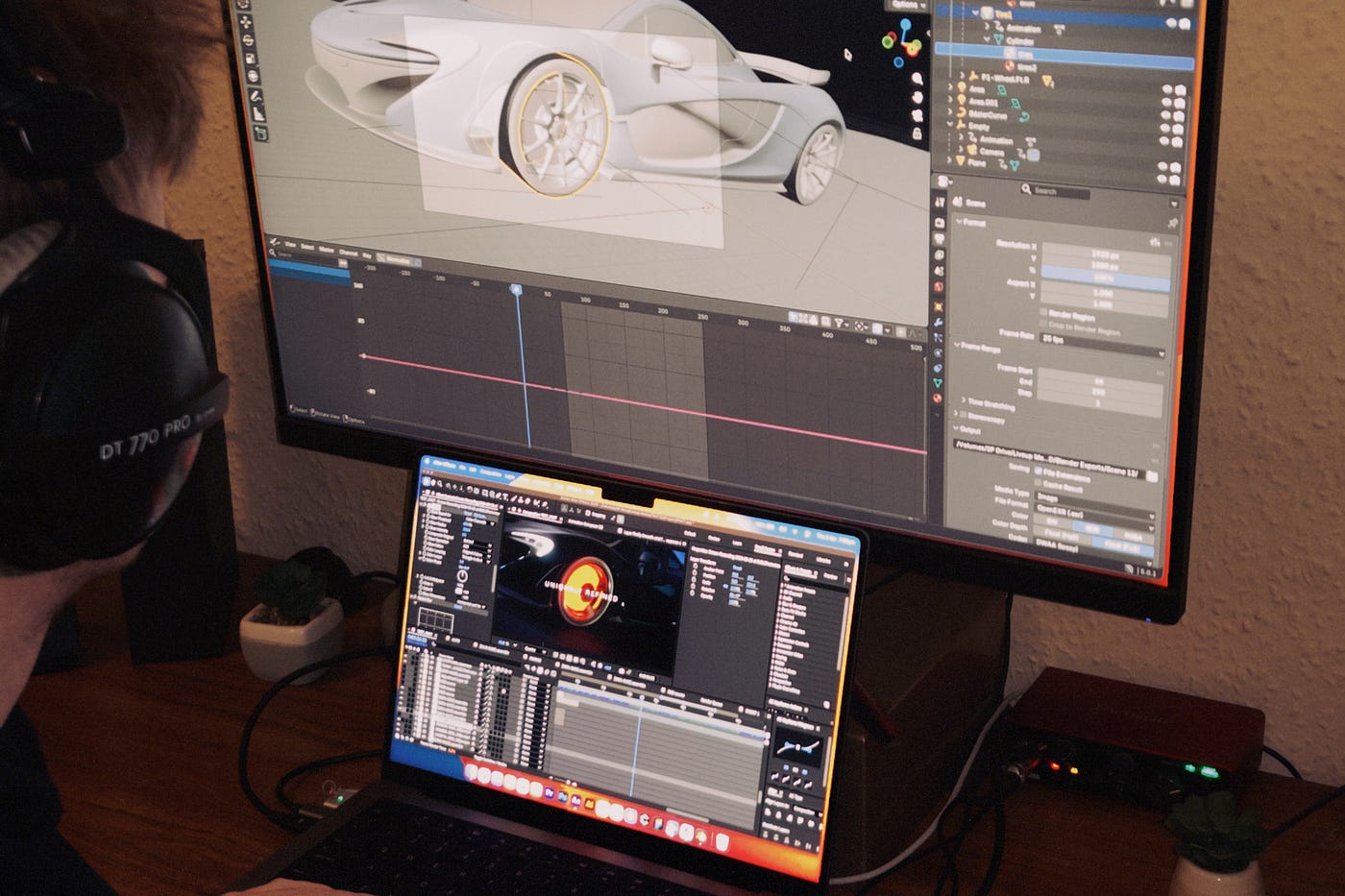
One thing that stuck with me early on: technical founders don’t like surprises, and neither do their customers or partners. So we share the process openly, starting with style frames and visual direction. Recently, for example, when we worked with IBERIA COMPOSITECH, our editor tried several visual approaches: switching between grid-based visualizations, branded graphics, and even some playful elements inspired by the company’s logo. Instead of picking a direction on our own, we discussed each option as a team and adjusted based on what would fit best for their audience.
We treat drafts as a conversation, not a finished product to be “approved.” The result is a video that feels accurate both technically and visually — good enough for a sales meeting, a supplier pitch, or to run on loop at a trade show booth.
Standardized Pricing and Packages
Another lesson: most manufacturing and tech teams don’t want endless video proposals or vague estimates. We simplified our pricing into clear packages. That way, anyone can see what it costs, what’s included, and how the process will run. The focus is on transparency and letting founders and sales teams get back to building their products.
Making Engineering Communication More Accessible
At the end of the day, explainer videos for this sector aren’t about flashiness or hype — they’re about getting the right people to understand what makes your technology work. When suppliers, customers, or investors understand the process, they’re more likely to get on board.
We’re technical enough to bridge that gap, which makes everything smoother for engineering-driven businesses (especially those in deep tech, IoT, or next-gen manufacturing).
This approach — proactive, hands-on, and honest — has built our reputation much more than any inbound marketing ever could. We don’t expect impactful work to show up by itself. We look for it, learn what’s needed, and deliver.
If you’re part of a growth-stage manufacturing or tech company and you’re tired of your product being misunderstood, feel free to get in touch. Or just follow along as we share more practical insights about communicating deep tech to the world.
FutureOfIndustry #DeepTechLeadership #StartupInnovation #Manufacturing #IoTExplained #EngineeringCommunication #materials #ManufacturingVideoProduction #IndustrialVideoProduction #AnimatedVideoProduction #AnimationVideoAgency
메타데이터
- post_id
- 5fe46f72e2de
- slug
- how-we-approach-animated-video-production-for-manufacturing-and-technology-from-a-founders-5fe46f72e2de
- url
- https://medium.com/@kdxfilms/how-we-approach-animated-video-production-for-manufacturing-and-technology-from-a-founders-5fe46f72e2de
- canonical_url
- https://medium.com/@kdxfilms/how-we-approach-animated-video-production-for-manufacturing-and-technology-from-a-founders-5fe46f72e2de
- author_url
- https://medium.com/@kdxfilms
- status
- ok
- fetched_at
- 2026-07-18 18:00:45