Reimagining Public Spaces: Insights from Yilan’s Youth Deliberative Democracy Workshop
A deliberate democray discussed about the public spaces in Yilan, Taiwan.
Reimagining Public Spaces: Insights from Yilan’s Youth Deliberative Democracy Workshop
Held an event supported by the Youth Affairs Division of Yilan County Government.
This event was held through deliberative democracy format that we’re familiar with and enjoy. It was my first time serving as a facilitator (though I mainly just organized and wrapped up discussions in the afternoon), working together to discuss public issues.
We chose to explore the topic of public spaces.
Photo by Marek Lumi on Unsplash
This discussion represents the collective wisdom that emerged from participants’ shared conversations and brainstorming. I’m simply organizing these thoughts.
Yilan Youth Hub
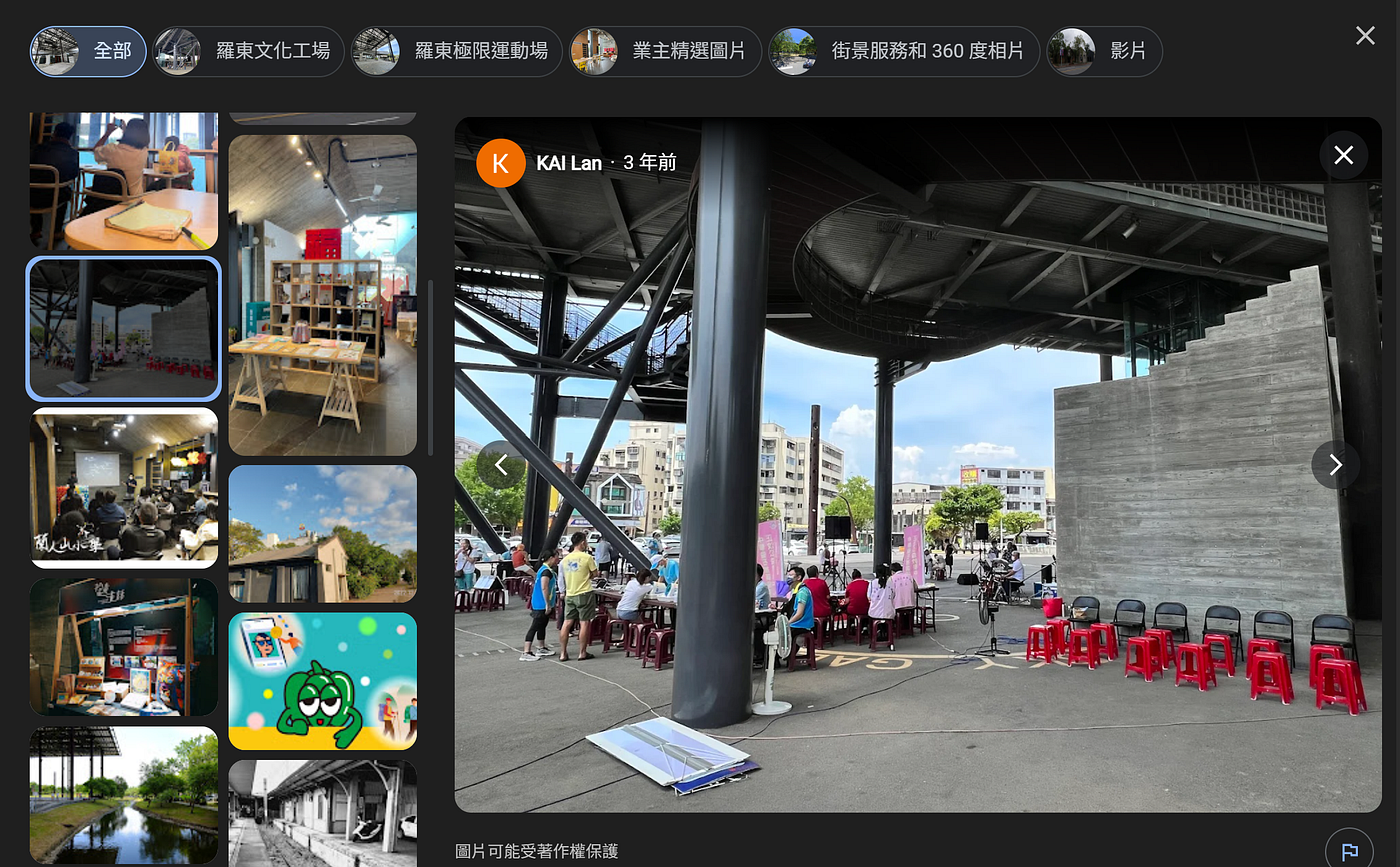
We held this event at the Yilan Youth Hub. This place was converted from an old factory. A local resident mentioned that while he often pass by since he lives nearby, the exterior gives off a sense of distance — they never knew what kind of place it was.
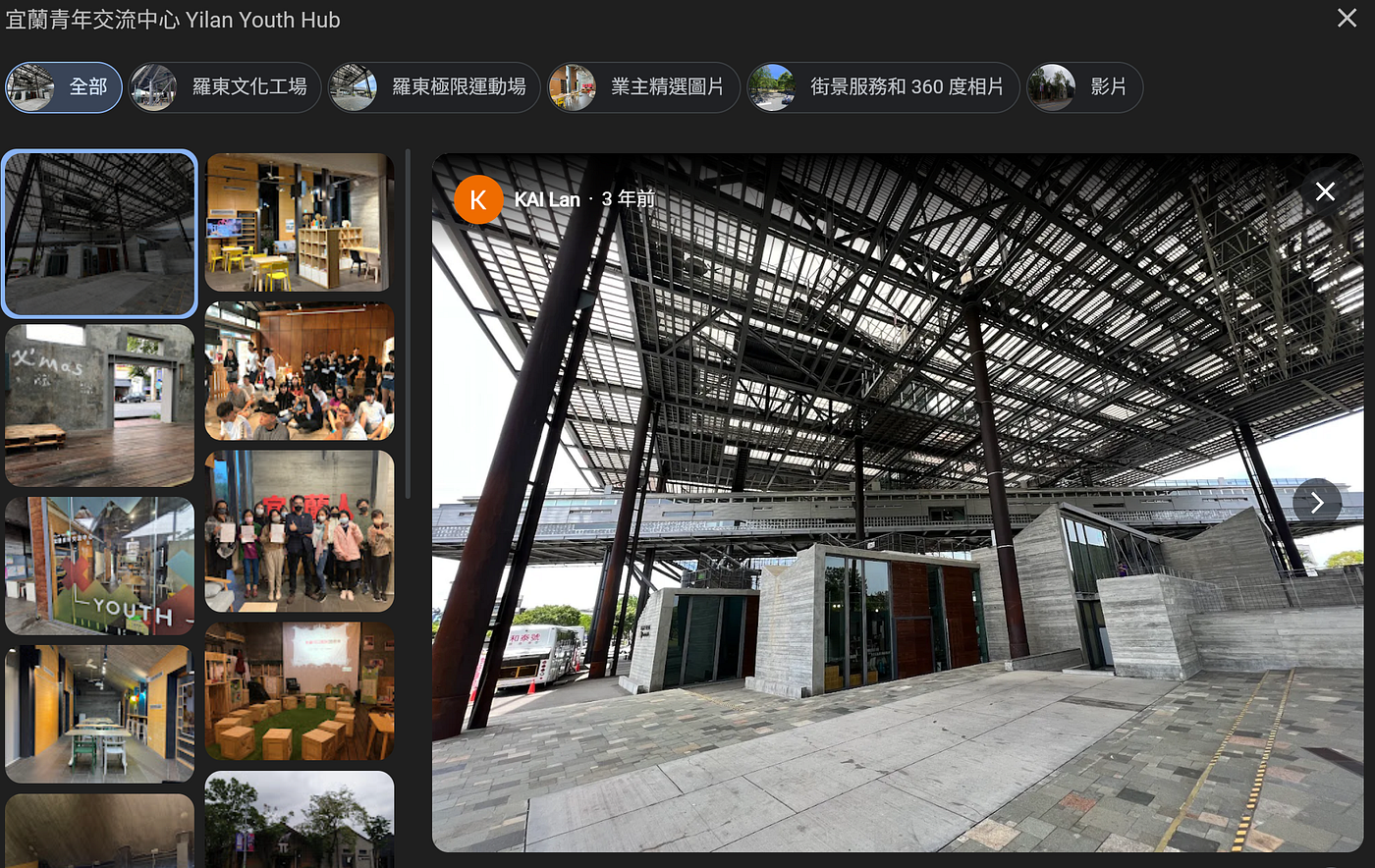
Another participant said there’s no real incentive to come here because there aren’t any good restaurants around.
A young participant is planning to start a business with friends at Chung Hsing Cultural and Creative Park mentioned wanting to open a photo studio here.
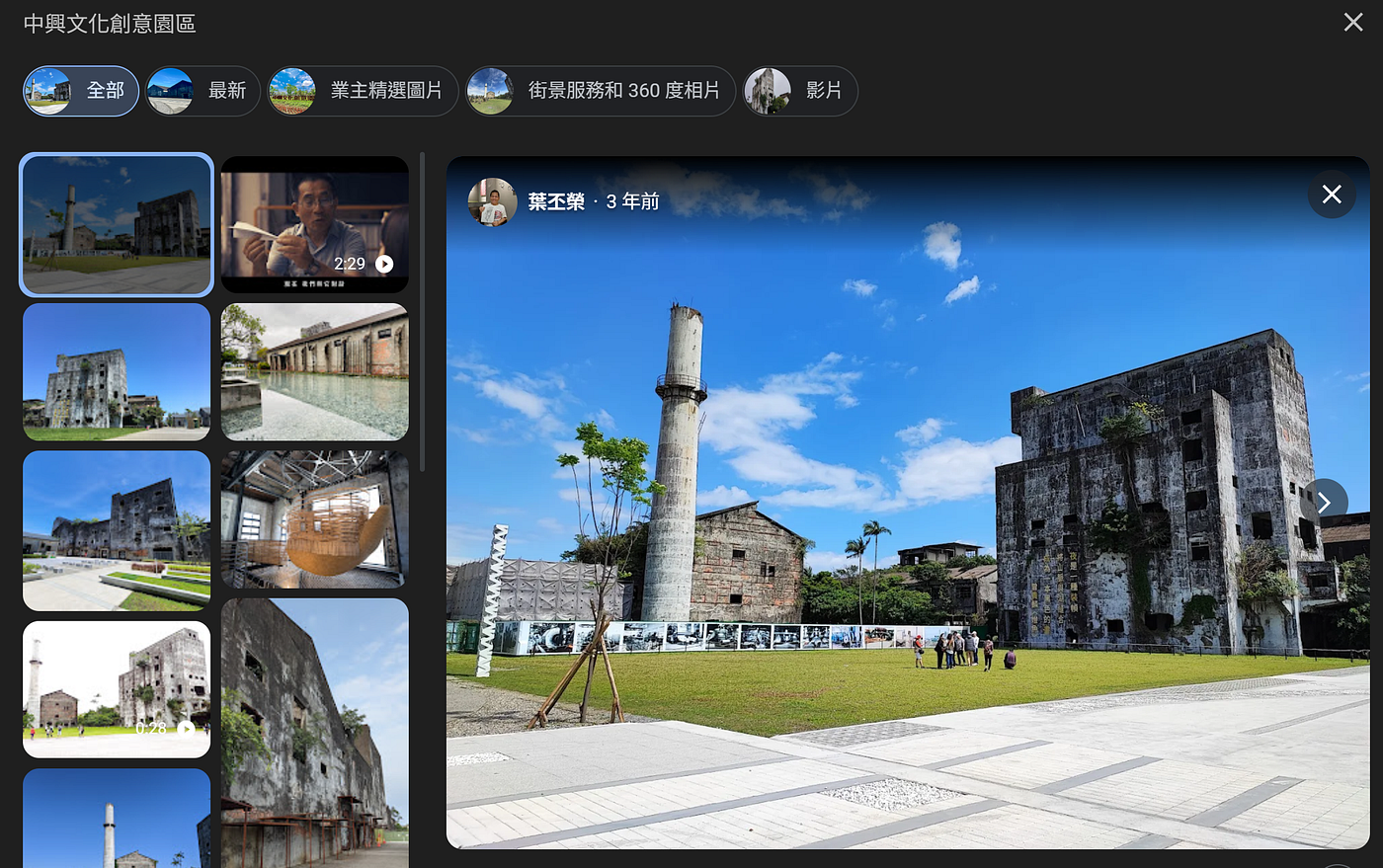
I initially thought he meant an old-style portrait studio, but he clarified it would be one of those photo booth machines that have become popular in recent years. They don’t think it should be called a “Korean-style photo booth” — you can incorporate many different elements. They plan to launch a “Taiwanese-style photo booth” to create differentiation.
They noted that the government actually provides many incentives to the park, with extremely low rent, but Yilan locals head to Taipei on weekends, while Taipei visitors coming to Yilan don’t necessarily know about this park — only tour buses stop here for bathroom breaks. The challenge ahead is how to retain Yilan residents and attract Taipei visitors.
We also took participants on a tour to observe the entire space and think about what other possibilities exist beyond the current planning and arrangements.
The first floor has plazas in front and back. In the morning, we saw some elderly people doing exercises and stretching in the shaded open areas. While observing the activity spaces, we also noticed students practicing dance.
The indoor first floor displays books and cultural creative products. Staff told us these are local youth entrepreneurship products — while not for sale, they serve as an exposure channel. Participants also noted that the number of young farmers returning home has increased in recent years.
Going up to the second floor, we saw a sign on the glass door indicating an ongoing exhibition that wasn’t open to visitors. You could still see inside the gallery through the glass.
Further up is an observation deck where you can catch some breeze and enjoy the surrounding scenery. A participant mentioned that outdoor movie screenings used to be held on this platform and hoped they could be resumed. However, the platform is quite windy and might be very hot during summer days. If events were to be held here, additional shade might be needed. It would be suitable for more relaxed activities like craft workshops or yoga classes, and could also accommodate plant cultivation.
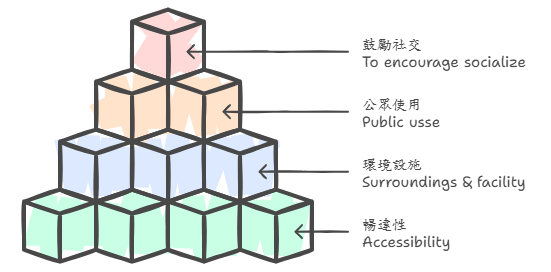
Why Do We Need Public Spaces?
The first thing to consider is why we need public spaces at all.
Private spaces provide rest and privacy for people, while public spaces allow people to fulfill basic social needs and can even serve as venues for public education and empowerment.
As participants mentioned earlier, coming to public spaces requires an incentive or opportunity. Everyone came to the Yilan Youth Exchange Center because we were holding an event here — participants had a reason to visit, which led to this rare encounter.
A participant who had just moved to Jiaoxi, Yilan about one month ago suggested having a “shared kitchen” space, especially since those renting single rooms don’t have their own kitchens. A shared kitchen would allow everyone to share each other’s specialty dishes, strengthen bonds among community, and provide a hangout after work instead of just going home. This way, on weekends, instead of finding their residential area boring and having to travel far to more lively places like Luodong or Taipei, they’d have local options.
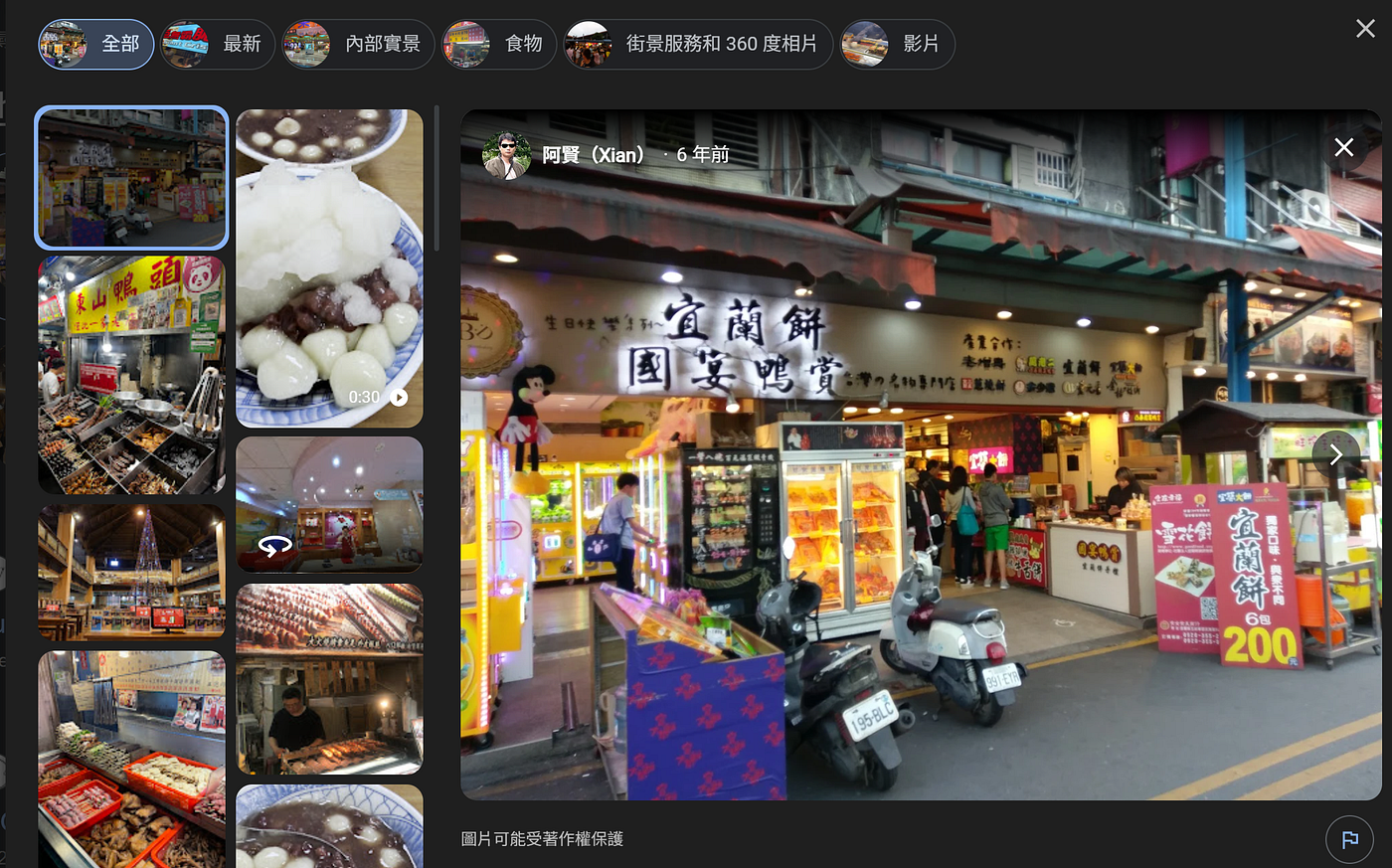
Luo Dong Night Market
Why Focus Specifically on “Youth”?
One older participant, already retired, suggested during our discussion that we shouldn’t limit the topic to “youth” but should be more open, allowing more people to participate in discussions and use the space.
While it’s true that focusing on “youth” was part of the original proposal — the county government wanted to harness youth power to discuss youth issues, making this a clear “focus direction” from the beginning.
On the other hand, we also believe that different age groups and demographics have different needs. So while we wouldn’t restrict participation from other groups, we’d still primarily serve specific populations. For example, parent-child spaces might need playful installations, low tables and chairs, or soft protective padding. Youth spaces might offer empowerment and career development courses, while senior spaces might provide retirement planning and health and wellness activities.
Despite these constraints, this made us think about how spaces can achieve “inclusion”. Intergenerational co-living spaces, first attempted in the Netherlands, might serve as a reference model where both groups support and help each other while learning together.
Looking at it from another angle, many spaces actually achieve “inclusion” already. Taiwan’s public schools serve as places for students to study during the day, but in the evenings and on weekends, they become exercise venues for nearby residents. The Youth Exchange Center itself is also such a place — while the indoor spaces mainly provide youth courses and startup exposure, the outdoor areas also offer shelter for neighboring residents who come to exercise.
Differences and Similarities in Space Needs Between Locals and Tourists
Participants mentioned that in Jiaoxi and Toucheng areas, if you want to find a place to chat with friends in the evening, you might have to go to bars where consumption is expensive because nearby spaces cater to tourists, not locals.
When I asked further about the differences between these types of spaces, they felt that besides price, locals might need spaces for reading, using computers, or holding meetings — requiring libraries, cafes, and discussion rooms. There could also be other recreational activities, like art galleries.
Next to our event venue, some people were reading and chatting. We asked if our activity would disturb them, and some said they actually needed background noise or they’d fall asleep, so we wouldn’t be disruptive. We also asked why they chose to study here instead of at the library. People mentioned that libraries might have screaming children, insufficient space, or no talking allowed.
Interestingly, although cafes require purchases, most participants still considered them “public spaces” because the costs are relatively low.
How Can Government Support Public Spaces?
One participant emphasized that since this is government-promoted, it must take care of disadvantaged groups and shouldn’t hold grandiose activities but rather meet the needs of various demographics.
The “shared kitchen” concept mentioned above isn’t commonly implemented, so experimental sites would need to be planned.
They didn’t think Yilan lacks public spaces — rather, people simply don’t know about these resources and venues. We should focus more on good management and marketing, finding each venue’s highlights so that when locals have certain needs, they’ll think of these spaces first.
Additionally, participants saw the necessity of local publications. They noticed social media accounts that introduce characteristic shops in specific counties and cities, which people reference when planning trips to those areas.
Taipei frequently holds various festival events with market stalls. Participants saw this as one way to support micro-entrepreneurship, allowing youth to participate in local markets and sell their products, enabling young people to return home instead of having to go elsewhere.
When discussing public spaces, everyone prioritizes convenient transportation and nearby locations first, with affordable pricing also being important. In today’s climate environment, indoor air conditioning is essential, along with smart devices, technology facilities, internet access, and movable tables and chairs — all necessary when organizing events.
The above was translated by Claude.
Here are Mandarin version.
메타데이터
- post_id
- 5fffcb4eac9c
- slug
- held-an-event-supported-by-the-youth-affairs-division-of-yilan-county-government-5fffcb4eac9c
- url
- https://medium.com/@cave_litergory-digital/held-an-event-supported-by-the-youth-affairs-division-of-yilan-county-government-5fffcb4eac9c
- canonical_url
- https://medium.com/@cave_litergory-digital/held-an-event-supported-by-the-youth-affairs-division-of-yilan-county-government-5fffcb4eac9c
- author_url
- https://medium.com/@cave_litergory-digital
- status
- ok
- fetched_at
- 2026-07-17 16:58:18