How Ozone Generator Systems Improve Air Quality and Water Safety
Ozone generators are increasingly being adopted across industries for their ability to disinfect, deodorize, and purify air and water…
How Ozone Generator Systems Improve Air Quality and Water Safety
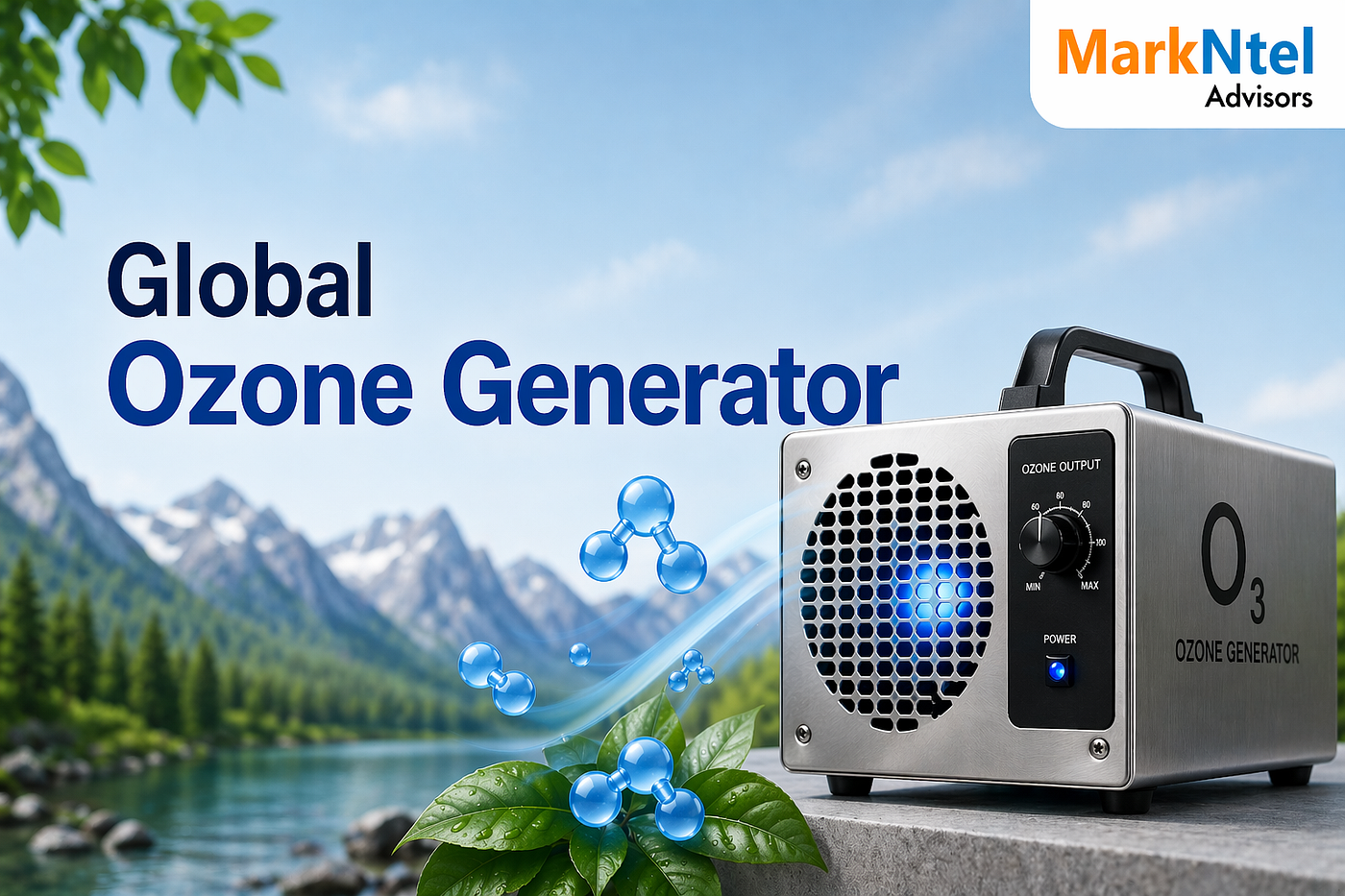
Ozone generators are increasingly being adopted across industries for their ability to disinfect, deodorize, and purify air and water without leaving harmful residues. Ozone (O₃), a powerful oxidizing agent, is widely used in applications ranging from municipal water treatment to industrial processing and healthcare sanitation. Its effectiveness against bacteria, viruses, and organic contaminants makes it a valuable solution in environments where hygiene and environmental compliance are critical.
In this context, insights from a MarkNtel Advisors study on the ozone generator sector indicate a steady expansion driven by rising demand for advanced purification technologies. The study highlights increasing adoption across water treatment facilities, food processing units, and healthcare institutions. Readers can explore detailed findings in this ozone generator market analysis, which outlines evolving industry dynamics and application trends.
How Ozone Generators Work
Ozone generators function by converting oxygen (O₂) into ozone (O₃) using electrical discharge or ultraviolet radiation. This ozone is then introduced into air or water systems, where it reacts with contaminants, breaking them down at a molecular level. Unlike traditional chemical disinfectants, ozone decomposes back into oxygen, leaving no residual chemicals behind.
According to the United States Environmental Protection Agency (EPA) guidance on ozone disinfection , ozone is a highly effective disinfectant for water treatment, capable of inactivating microorganisms and removing pollutants when applied under controlled conditions. This property makes ozone-based systems particularly relevant in industries aiming to reduce chemical usage and improve sustainability.
Key Applications Across Industries
Water & Wastewater Treatment
Ozone generators are widely used in municipal and industrial water treatment plants. They help eliminate pathogens, remove odors, and break down harmful organic compounds. Organizations such as the World Health Organization (WHO) safe drinking water guidelines recognize advanced treatment technologies, including ozone, as effective methods for improving water quality when properly managed.
Food Processing & Storage
In the food industry, ozone is used for sanitizing equipment, extending shelf life, and maintaining hygiene standards. Its ability to eliminate microbial contamination without altering food properties makes it a preferred solution in processing facilities.
Healthcare & Laboratories
Hospitals and laboratories use ozone generators for air purification and sterilization. The technology supports infection control measures by reducing airborne pathogens in controlled environments.
Industrial Manufacturing
Ozone is also applied in sectors such as textiles, pulp & paper, and chemical processing for bleaching, oxidation, and waste reduction processes.
Growth Drivers Shaping the Market
Several factors are contributing to the increasing adoption of ozone generators globally. One major driver is the growing focus on environmental sustainability. Industries are actively seeking alternatives to chlorine-based disinfectants, which can produce harmful by-products.
Additionally, rising concerns over water scarcity and pollution are pushing governments and municipalities to adopt advanced treatment technologies. Regulatory frameworks and environmental standards are also encouraging the use of cleaner and more efficient purification methods.
Technological advancements have further improved the efficiency and cost-effectiveness of ozone generators, making them accessible to a broader range of industries. As highlighted in this detailed industry report on ozone generators , the sector is witnessing consistent innovation aimed at enhancing performance and reducing operational costs.
Challenges and Considerations
Despite their advantages, ozone generators come with certain limitations. Ozone is a highly reactive gas and must be handled carefully to avoid health risks. Improper exposure can lead to respiratory issues, making it essential to use these systems in controlled environments with appropriate safety measures.
The Centers for Disease Control and Prevention (CDC) guidelines on ozone exposure and indoor air quality advise that ozone levels should be monitored to ensure they remain within safe limits, particularly in indoor applications. This highlights the importance of proper system design, installation, and maintenance.
Cost considerations can also be a barrier for small-scale adoption, especially in developing regions. However, long-term operational benefits often outweigh initial investment costs.
Future Outlook of Ozone Generator Adoption
The adoption of ozone generators is expected to continue expanding as industries prioritize sustainability, efficiency, and regulatory compliance. Increased awareness of water and air quality issues is likely to drive further demand for advanced purification solutions.
Emerging economies are also showing growing interest in ozone-based technologies as they modernize infrastructure and strengthen environmental policies. Innovations in compact and energy-efficient systems are expected to further support market penetration.
According to this ozone generator industry report , the sector is poised for steady development, supported by technological advancements and evolving industrial requirements.
Conclusion
Ozone generators are playing an increasingly important role in addressing global challenges related to water purification, air quality, and industrial hygiene. Their ability to deliver effective disinfection without harmful residues positions them as a sustainable alternative to conventional treatment methods.
As industries continue to adopt cleaner technologies, ozone-based systems are expected to remain a key component of modern environmental management strategies for future generations.
메타데이터
- post_id
- 6019320fa2d1
- slug
- how-ozone-generator-systems-improve-air-quality-and-water-safety-6019320fa2d1
- url
- https://medium.com/@marketinsights09/how-ozone-generator-systems-improve-air-quality-and-water-safety-6019320fa2d1
- canonical_url
- https://medium.com/@marketinsights09/how-ozone-generator-systems-improve-air-quality-and-water-safety-6019320fa2d1
- author_url
- https://medium.com/@marketinsights09
- status
- ok
- fetched_at
- 2026-06-28 04:42:08