How to Properly Clean and Reuse Grow Bags in Hydroponics
Grow bags have become a staple in hydroponic gardening due to their affordability, flexibility, and efficient root aeration. As with any…
How to Properly Clean and Reuse Grow Bags in Hydroponics
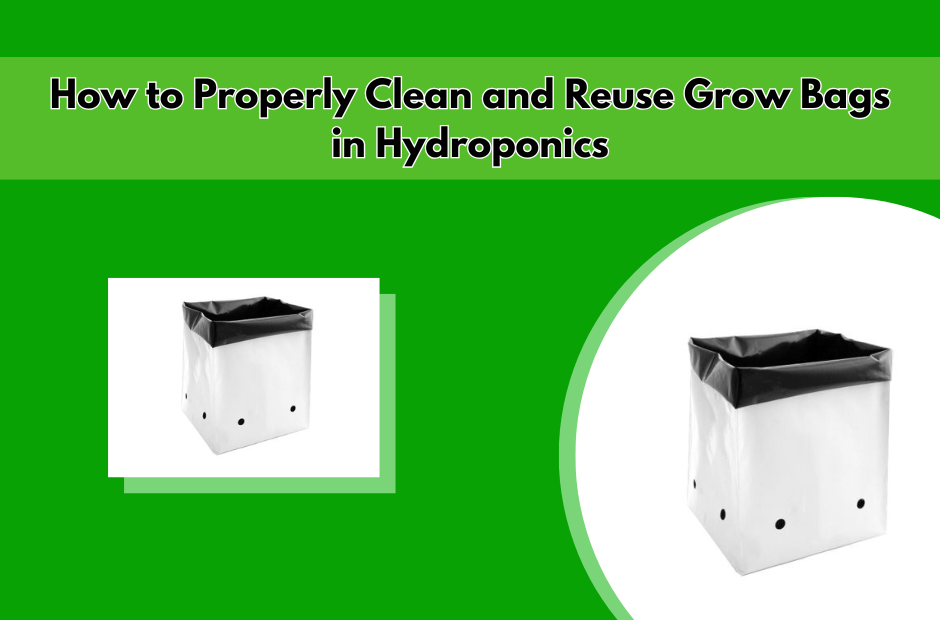
Grow bags have become a staple in hydroponic gardening due to their affordability, flexibility, and efficient root aeration. As with any hydroponic system equipment, proper maintenance is key to sustaining productivity, and this includes cleaning and reusing grow bags effectively. Reusing grow bags not only saves money but also supports environmentally responsible practices by reducing plastic waste.
In this guide, we’ll take a professional dive into the steps you should follow to clean and reuse grow bags in hydroponics, ensuring optimal hygiene and performance in your system.
Why Clean Grow Bags?
Grow bags are in direct contact with water, nutrient solutions, and plant roots. Over time, they can accumulate:
- Salt build-up from nutrient solutions
- Algae growth due to constant moisture exposure
- Pathogens such as fungi and bacteria
- Plant residue and root debris
These contaminants can severely affect plant health, disrupt nutrient uptake, and lead to disease outbreaks if not addressed properly. Regular and thorough cleaning not only extends the lifespan of the grow bags but also maintains the overall efficiency and cleanliness of your hydroponic setup.
Materials Needed for Cleaning
Before starting, gather the following tools and equipment to streamline the cleaning process:
- Large plastic bins or tubs for soaking
- Garden hose or high-pressure spray nozzle
- Soft-bristled brush
- Mild detergent or biodegradable soap
- Hydrogen peroxide (3%) or white vinegar
- Clean towels or drying racks
- Gloves and protective eyewear (for chemical handling)
Step-by-Step: How to Clean Grow Bags for Reuse
1. Remove Plant Matter and Media
Begin by emptying each grow bag completely. Remove all plant matter, including old roots, stems, and leaves. If your hydroponic system uses inert media like coco coir or perlite, you can sift it out for possible reuse after sterilization.
Tip: Shake out any loose debris before proceeding to the soaking stage.
2. Rinse with Water
Use a garden hose to rinse off dirt and residual nutrients from the inside and outside of the grow bags. This initial rinse helps remove surface contaminants and prepares the bags for a deeper clean.
If using fabric grow bags, be sure to rinse thoroughly, as fabric tends to trap debris more than plastic containers.
3. Soak in Cleaning Solution
Next, fill a large bin or tub with warm water and add a mild detergent or biodegradable soap. Soak the grow bags for 30 to 60 minutes. This helps to loosen stubborn residues, stains, and nutrient build-up.
Recommended ratio:
- 1 tablespoon of mild detergent per gallon of water
Throughout the soaking process, shake the bags occasionally to get rid of any dirt.
4. Scrub and Inspect
Using a soft-bristled brush, gently scrub both the inside and outside surfaces of each grow bag. Particular attention should be paid to the corners and seams where residues and microorganisms might gather.
Inspect for damage: Look for rips, tears, or thinning areas. Discard any bags that are compromised or structurally weak, as they may not perform well in the next growing cycle.
5. Rinse Thoroughly
Rinse each bag well with clean water after scrubbing to get rid of any soap residue. Leaving detergent on the bag can negatively affect pH levels in your hydroponic system and potentially harm plant roots.
Use high-pressure water if available for a more effective rinse.
6. Disinfect and Sanitize
Sanitizing the grow bags is the most critical step in preventing future contamination.
Two effective sanitizing solutions include:
- Peroxide of hydrogen (3%) Solution: Immerse bags for half an hour in a 1:1 hydrogen peroxide and water solution. This will kill pathogens without leaving toxic residues.
- White Vinegar Solution: Mix one part vinegar to three parts water. Soak the bags for 30–45 minutes.
Avoid using bleach, as it can degrade certain fabrics over time and may leave harmful residues.
7. Dry Completely
After being cleaned, place the bags flat in a well-ventilated area or hang them on drying racks to finish drying. Make sure they are completely dry before storing or reusing. Damp bags can harbor mold and mildew.
If weather permits, sun-drying is ideal, as UV rays naturally help sterilize surfaces.
How Often Should Grow Bags Be Cleaned?
For hydroponic systems, it is recommended to clean grow bags after every growing cycle. This ensures that each new batch of plants starts in a sterile, optimal environment.
If you’re growing fast crops (like leafy greens or herbs), you may get away with a lighter rinse between cycles, followed by a deeper clean every few harvests. However, for fruiting crops like tomatoes or peppers, thorough cleaning is necessary due to the longer growing period and increased root mass.
Reusing vs. Replacing: When to Retire a Grow Bag
While cleaning and reusing grow bags is cost-effective, they do have a finite lifespan. Here are some signs it’s time to replace them:
- Visible tears or punctures
- Excessive staining or salt crystallization
- Loss of structure (especially in fabric bags)
- Persistent odors after cleaning
- Unexplained plant health issues
Generally, high-quality grow bags can be reused for 3–5 cycles, depending on care and usage conditions.
Storage Tips for Clean Grow Bags
Proper storage also affects the longevity of your grow bags. Here’s how to store them:
- Ensure bags are 100% dry before storage
- Store in a cool, dry location, away from direct sunlight
- Keep them in sealed plastic bins or breathable fabric containers
- Avoid stacking bags under heavy objects, as it can deform the structure
Label bags by size or use if you operate a large hydroponic setup for easier sorting during your next cycle.
Professional Insights: Choosing the Right Grow Bags
For hydroponic systems, not all grow bags are created equal. Consider these factors when selecting grow bags for easy maintenance and reuse:
- Material: Fabric grow bags offer better aeration but may require more frequent cleaning. UV-resistant plastics are durable and easier to scrub.
- Size and Shape: Match bag size to the plant’s root structure and space available in your hydroponic system.
- Drainage Features: Look for bags with proper drainage holes or breathable materials that prevent root rot and improve nutrient uptake.
Brands offering commercial-grade hydroponic grow bags often include antimicrobial coatings or reinforced stitching — features that support multiple reuse cycles.
Maintaining clean and reusable grow bags is a vital part of running a successful hydroponic operation. By following a methodical approach to rinsing, soaking, sanitizing, and drying, you ensure that your system stays free from contaminants and ready for consistent, high-quality yields.
Reusing grow bags isn’t just about saving money — it’s a smart, sustainable practice that aligns with the goals of modern hydroponic farming. With regular upkeep and smart storage, your grow bags can serve your system well for many cycles to come.
메타데이터
- post_id
- 603c4ef045cc
- slug
- how-to-properly-clean-and-reuse-grow-bags-in-hydroponics-603c4ef045cc
- url
- https://medium.com/@hydroponicstown001/how-to-properly-clean-and-reuse-grow-bags-in-hydroponics-603c4ef045cc
- canonical_url
- https://medium.com/@hydroponicstown001/how-to-properly-clean-and-reuse-grow-bags-in-hydroponics-603c4ef045cc
- author_url
- https://medium.com/@hydroponicstown001
- status
- ok
- fetched_at
- 2026-06-09 15:37:30