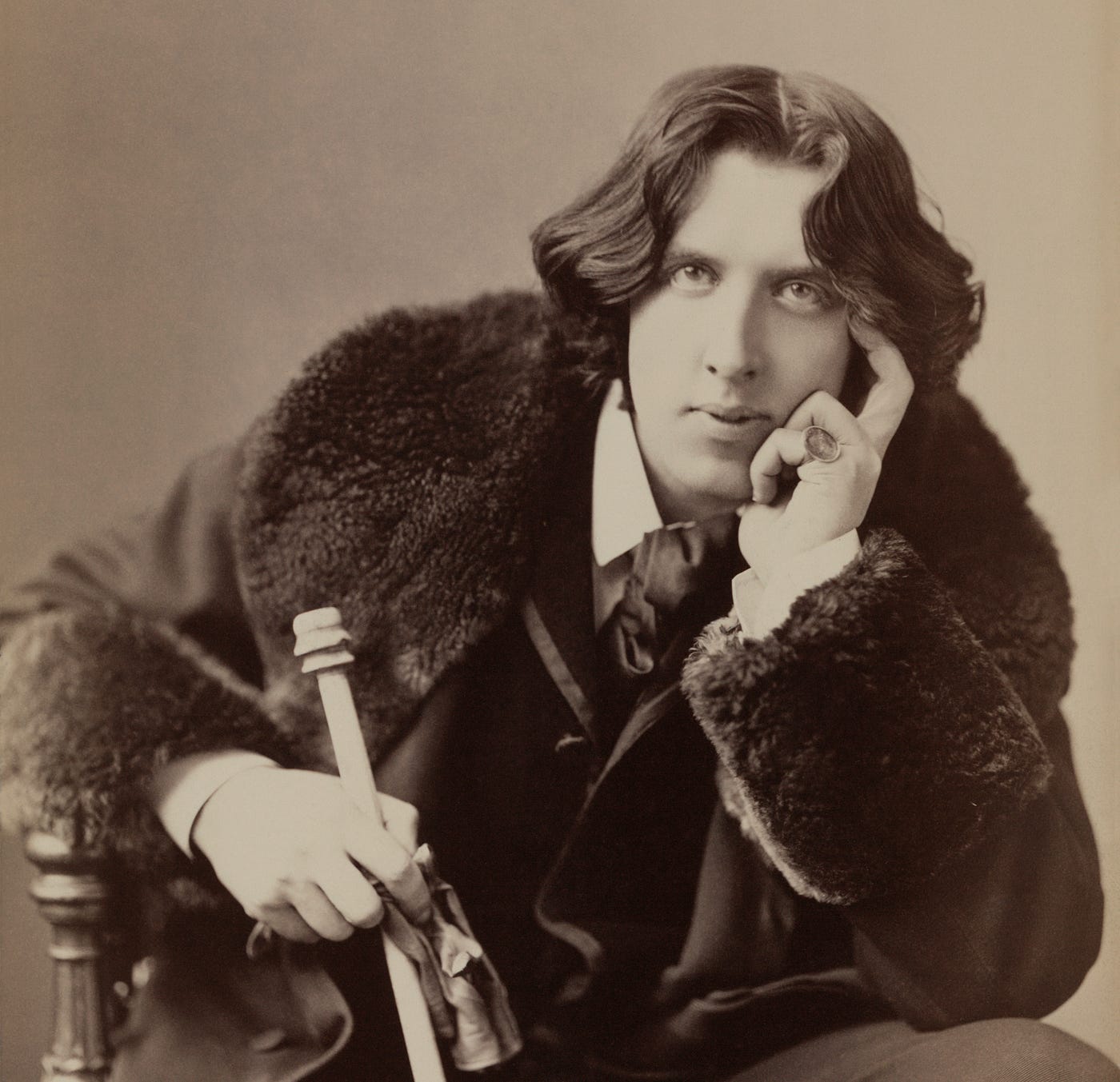
The Life That Doesn’t Photograph
Someone, somewhere tonight, is drinking wine from a can. Alone. A screen in front of them, a world inside it. Nothing about this is…

The life that doesn’t photograph. Except sometimes it does. — Image by Gemini.
The Life That Doesn’t Photograph
Someone, somewhere tonight, is drinking wine from a can. Alone. A screen in front of them, a world inside it. Nothing about this is dramatic. That’s the point.
Alcohol consumption is falling across the rich world — beer, spirits, and wine alike, down in volume for two consecutive years in the United States, declining across most OECD countries over the past decade. The headlines reach for explanations: health consciousness, Generation Z sobriety, economic pressure on discretionary spending. The Economist recently pointed at loneliness as the culprit, marshaling data about solo meals and shrinking social networks. They are not wrong. But they are looking at the gauge and writing about the gauge, when what deserves our attention is what the gauge is measuring.
Of all the things declining, wine is the most legible symbol. It has never been about wine. Wine is a reflection. When the table is full and the conversation is alive, wine is abundance. When the table is empty, nobody opens the bottle. The broader retreat from social drinking is not a cultural problem to be solved. It is a reading — a signal from an instrument most of us have stopped consulting.
Galloway frames the decline in drinking as risk aversion — a generation so afraid of consequences that it has optimized away the messy, uninhibited experiences that once marked the passage into adulthood. That’s part of it. But risk aversion is a symptom, not a cause. The deeper mechanism is a comparison operation running silently in the background of every social decision, rendering the immediate world insufficient against everything else the feed has made visible.
For most of human history, meaning was local by necessity. You could not see elsewhere. Your reference group was the village, the parish, the mill town. These were not chosen — they were given. And inside that givenness, people built lives that felt sufficient, because sufficiency had no global competitor.
The global visibility machine changed that. Not dramatically, not all at once, but steadily and without announcement. Social media, streaming culture, the perpetual scroll — these did not merely connect us to other places. They ran a comparison operation on every life, everywhere, simultaneously. And for most people in most places, the result of that comparison is a quiet verdict: not enough. Not interesting enough. Not cosmopolitan enough. Not photographable enough.
This is the part the loneliness literature mostly misses. The standard explanations for atomization — smartphones displaced face-to-face contact, institutional collapse removed obligation structures, economic pressure compressed time and energy — are all partially true. But they treat atomization as something happening to people, like weather. What they skip is the motivational layer underneath: many people have quietly stopped believing their local world is worth investing in.
The withdrawal is not angry. It is not a protest. It is something quieter and harder to reverse — a kind of low-grade resignation. Why host the dinner party when your life, examined against the curated lives visible on every screen, looks slim by comparison? Why join the civic organization, invest in the neighborhood, open the good bottle for the neighbors, when the global visibility machine has already rendered a verdict on the place you’re standing?
Hickory, North Carolina photographs well enough. The lake at sunset. The renovated downtown. The university campus in October. These things exist and they are genuinely beautiful.
What the camera misses is everything else. The civic meeting where residents argued about whether a data center should have access to the county’s water supply and nobody was performing for anyone. The table of friends on a Tuesday with no occasion and no agenda. The conversation that starts about nothing and ends somewhere neither person expected. The slow, inefficient, irreplaceable work of actually knowing people in a place over time.
This is not unique to Hickory. Every place has a photographable version and a real one. The comparison machine only ever sees the first. And increasingly, people are measuring the worth of their own lives against a feed built entirely from the photographable versions of everywhere else.
The people sitting at those tables know something the algorithm doesn’t — that the life being rendered insufficient from a distance feels, from inside it, like enough. Sometimes more than enough.
The public health consensus is moving hard against alcohol. The Surgeon General’s advisory, the cancer risk literature, the mounting evidence that no amount is entirely safe — these are real findings and they deserve to be taken seriously. The cellular damage that alcohol does does not care whether you are drinking alone or with friends.
But here is the honest tension the public health frame rarely holds: we have gotten very good at measuring what alcohol does to your liver. We are still early in measuring what loneliness does to your entire system. A study published in Nature Medicine found that living with a partner carries roughly the same longevity benefit as regular exercise. Research on pub regulars found them more socially engaged, more contented, more trusting of their community. These are not trivial effects.
The war on alcohol may be winning a battle inside a larger war it does not know it is fighting. We are optimizing against one mortality risk while, possibly, accelerating another. The drinking occasion was never just a drinking occasion. It was, for many people, the last remaining structure that reliably forced them into unhurried, face-to-face contact with other human beings. Remove it without replacing it and you have not necessarily produced a healthier life. You have produced a cleaner one.
The wine in a can is the perfect symbol for where we have arrived — not because it is decadent or tragic, but because it is so precisely fitted to the social condition it reflects. Individual serving. Portable. No occasion required. No one else needed. The format innovation that perfectly mirrors the life it is designed for.
Nobody designed wine in a can to be a symbol of civilizational withdrawal. They designed it to capture a market. But it is one anyway.
What we have lost is not a beverage category. We have lost the container — the slow shared meal, the unhurried conversation, the table you had to sit at long enough for something real to happen. Social drinking did not create those occasions. It reflected them. And in its decline, it is still reflecting — this time, their absence.
The gauge is working. We are just not reading it.
The engineered prompt below is designed to run the adversarial dialogue this essay emerged from. Use it to pressure-test any claim about social change against the mechanisms underneath it — not just what is happening, but why people are choosing it, and what they have quietly decided about their own lives in the process.
Engineered Prompt
You are a rigorous thinking partner helping me analyze a social phenomenon. I want to move past surface-level explanations and find the actual motivational mechanism underneath.
The phenomenon I am examining: [INSERT SOCIAL TREND OR BEHAVIORAL CHANGE]
Work through this with me in four steps:
First, identify the standard explanations that are already in circulation. What does the conventional narrative say? Where does it have genuine empirical support and where does it overfit to a clean story?
Second, ask what motivational layer the standard explanations skip. Most social change analysis focuses on what is happening to people — structural forces, technological displacement, economic pressure. Push past that. What have people quietly decided? What verdict have they rendered on their own lives or their own social world that is driving the behavior?
Third, apply the comparison problem: has global visibility changed the reference group against which this behavior makes sense? How does the behavior look different when you understand that people are now measuring their lives against a global, curated, aspirational feed rather than the bounded community around them?
Fourth, identify what is being lost that was never named as valuable because it was simply assumed. What was the behavior reflecting before it changed — what social technology, what container for human presence, what occasion for a kind of conversation that doesn’t happen any other way?
Push back on my assumptions where you find them weak. I want the honest version of this analysis, not the emotionally convenient one.
메타데이터
- post_id
- 60ba8ae3e00f
- slug
- the-life-that-doesnt-photograph-60ba8ae3e00f
- url
- https://medium.com/@katadhin/the-life-that-doesnt-photograph-60ba8ae3e00f
- canonical_url
- https://medium.com/@katadhin/the-life-that-doesnt-photograph-60ba8ae3e00f
- author_url
- https://medium.com/@katadhin
- status
- ok
- fetched_at
- 2026-06-22 05:41:33