City for People vs. City for Cars: Who Are Our Cities Actually Built For?
Have you ever looked around and realized that our cities are essentially just parking lots with a few buildings in between? It’s shocking…
City for People vs. City for Cars: Who Are Our Cities Actually Built For?
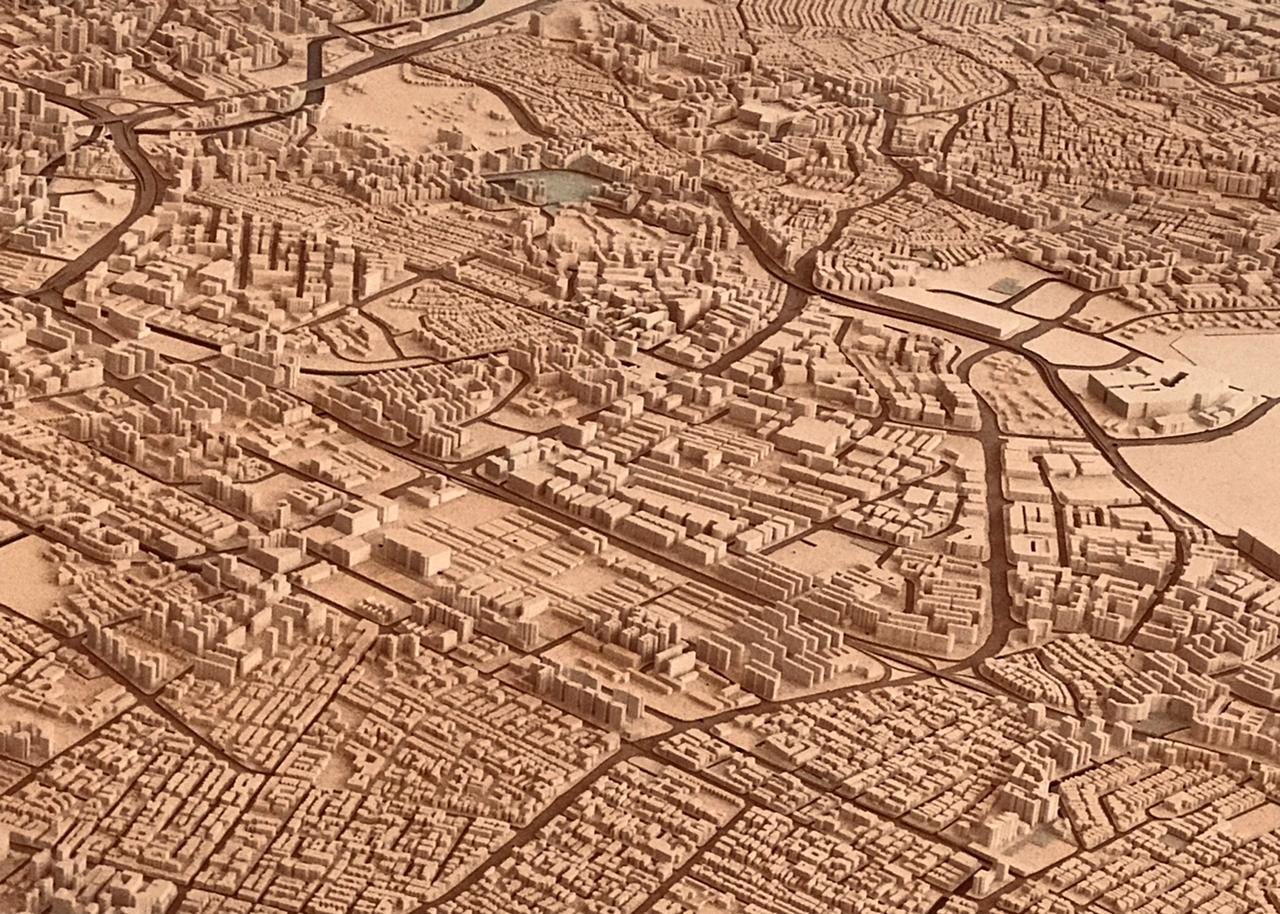
Center Point of Indonesia, Makassar (2026)
Have you ever looked around and realized that our cities are essentially just parking lots with a few buildings in between? It’s shocking to realize how much space we allocate to cars compared to people. Instead of proper pedestrian paths, we’re stuck dealing with heavy traffic, air pollution, and broken sidewalks. This is what happens when a city prioritizes the flow of cars over the well-being of people. We’ve spent decades designing our environments for the 60 km/h flow of motorized vehicles, while forgetting the 5 km/h pace of people who actually live there.
Living in a car-centric city is like being in a toxic relationship with our vehicles. We keep widening roads and building flyovers, hoping the traffic will finally clear. But in reality, more roads only bring more cars. When we design everything for the car, we lose the human scale of our streets. Many cities in developed countries prioritize pedestrian comfort by providing well-connected and maintained sidewalks. This contrasts sharply with cities in our own country, which prioritize cars. If we want to build a city that is truly for people, we need to shift our focus to these elements:
1. Shield from the Sun (Thermal Comfort)
In tropical countries, treeless sidewalks are a survival mission. In my city, we even have a local joke, “one person, one sun,” which shows how hot it is. I think many people would actually like to walk, especially if their destination is nearby. But because of the extreme heat, they prefer to use vehicles. And yes, we do need some greenery along the sidewalks. This isn’t just about a few potted plants, it’s about a continuous green canopy. Large trees not only block the sun but also create a microclimate, naturally cooling the air and making the walk feel like an experience rather than a survival mission.
2. Connected Sidewalks
The main problem in many cities isn’t a lack of sidewalks, but rather “half-hearted” sidewalks. Pedestrian paths abruptly interrupted by open sewers or converted into parking lots aren’t infrastructure, they’re decoration. A city for people treats sidewalks as a unified neural network. From home to the public transportation stop, and right to the front of the office, the path should be smooth, level, and inclusive for everyone (including those in wheelchairs, the elderly, and parents with strollers).
3. Public Space Enhancement
Walking for one kilometer can feel very long and tiring if we are only looking at high concrete walls or closed metal fences. However, that same walk feels much shorter if we pass by nice cafes, interesting shops, local art shows, and benches where we can take a break. When buildings “talk” to pedestrians, the streets become more lively and naturally feel safer because there are always people around and opportunities to interact with others.
4. An Economy That Moves on Foot
Pedestrians are often the most loyal customers. While cars simply pass by, pedestrians have the time to stop, look at shops, and step inside. When an area is designed to be pedestrian-friendly, the local economy actually thrives. Public spaces transform into creative hubs and community gathering spots where economic transactions happen naturally, free from the noise and stress of traffic.
Honestly, I never knew I actually liked walking until visited other cities in the last few years. In my city, walking feels more like an extreme sport. Walking here is a struggle against motorbikes on the sidewalks, dodging open sewers, and enduring heat without shelter. For a long time, I thought that was how city life was supposed to be. However, traveling opened my eyes. Despite their flaws, other cities feel far more pedestrian-friendly than my own. From a tourist’s perspective, good sidewalks allow us to explore a city more comfortably than by car. We can enjoy the city’s architecture at our own pace, free from traffic and the stress of finding a parking spot. Connected sidewalks make a city more accessible and welcoming, allowing us to walk safely between landmarks and engage with local culture.
In Yogyakarta, especially in the city center, the atmosphere feels different. Malioboro Street, the city’s most iconic area, accommodates various activities. Its wide sidewalks have transformed into a lively public space where people can do more than just walk. We can shop for local crafts, enjoy traditional cultural performances, and admire the classic architecture. The sidewalks are also inclusive, designed to accommodate people with disabilities. Its design also shows a great ambition for walkability, aiming to seamlessly connect landmarks like the Tugu Monument, Kilometer Zero Point, and Tugu Station.

Malioboro, Yogyakarta (2025)
While Yogyakarta is classic and relaxed, Surabaya is a metropolitan city with undeniably hot weather. By lining the sidewalks with plants, Surabaya has managed to mitigate the intense heat. While it’s still hot, of course, the green buffers make the temperature feel much more manageable. Moreover, the wide sidewalks have revived the local economy. Tunjungan Street has evolved into a ‘street culture’ area where people actually hang out, take photos, and support local shops without feeling overwhelmed by traffic. The Old Town in North Surabaya also offers a seamless walking tour. With its neat sidewalks and restored colonial buildings, the vintage atmosphere and local cafes make it perfect for exploring the city’s history on foot.

Tunjungan Street & Old Town, Surabaya (2025)
We can also truly feel the difference when a street is designed for people, like Braga or Asia Afrika Street in Bandung. These streets prove that when we make paths walkable, a boring road instantly attracts people and becomes a spot to hang out and support the local economy. With wide pavements, shops, vintage lamps, and public seating, these spaces invite people to come. However, because these spots are so attractive, they often face a ‘success trap,’ becoming so overcrowded that pedestrian flow stagnates. It’s a reminder that a ‘City for People’ needs to be functional across every neighborhood, not just on a few iconic streets.

Braga Street, Bandung (2025)
Building wide sidewalks is only the first step. The real challenge is making those spaces functional, shaded, connected, and accessible for everyone. While last-mile connectivity to residential areas still needs improvement, the progress in the city center serves as solid proof of concept. It shows that when we invest in high-quality sidewalks and urban greenery, we directly improve the quality of life. Roads should be public spaces for everyone, not just a racetrack for cars. It’s time we stop planning for cars and start designing for people.
Because a city that’s easy to walk in is a city that’s actually worth living in.
-D
메타데이터
- post_id
- 615ccf590ea1
- slug
- city-for-people-vs-city-for-cars-whom-are-our-cities-truly-built-for-615ccf590ea1
- url
- https://medium.com/@dealog/city-for-people-vs-city-for-cars-whom-are-our-cities-truly-built-for-615ccf590ea1
- canonical_url
- https://medium.com/@dealog/city-for-people-vs-city-for-cars-whom-are-our-cities-truly-built-for-615ccf590ea1
- author_url
- https://medium.com/@dealog
- status
- ok
- fetched_at
- 2026-06-11 05:11:55