Tips on garden Planning.
Feed the soil correctly, and the soil will feed generations.
Tips on garden Planning.
Feed the soil correctly, and the soil will feed generations.

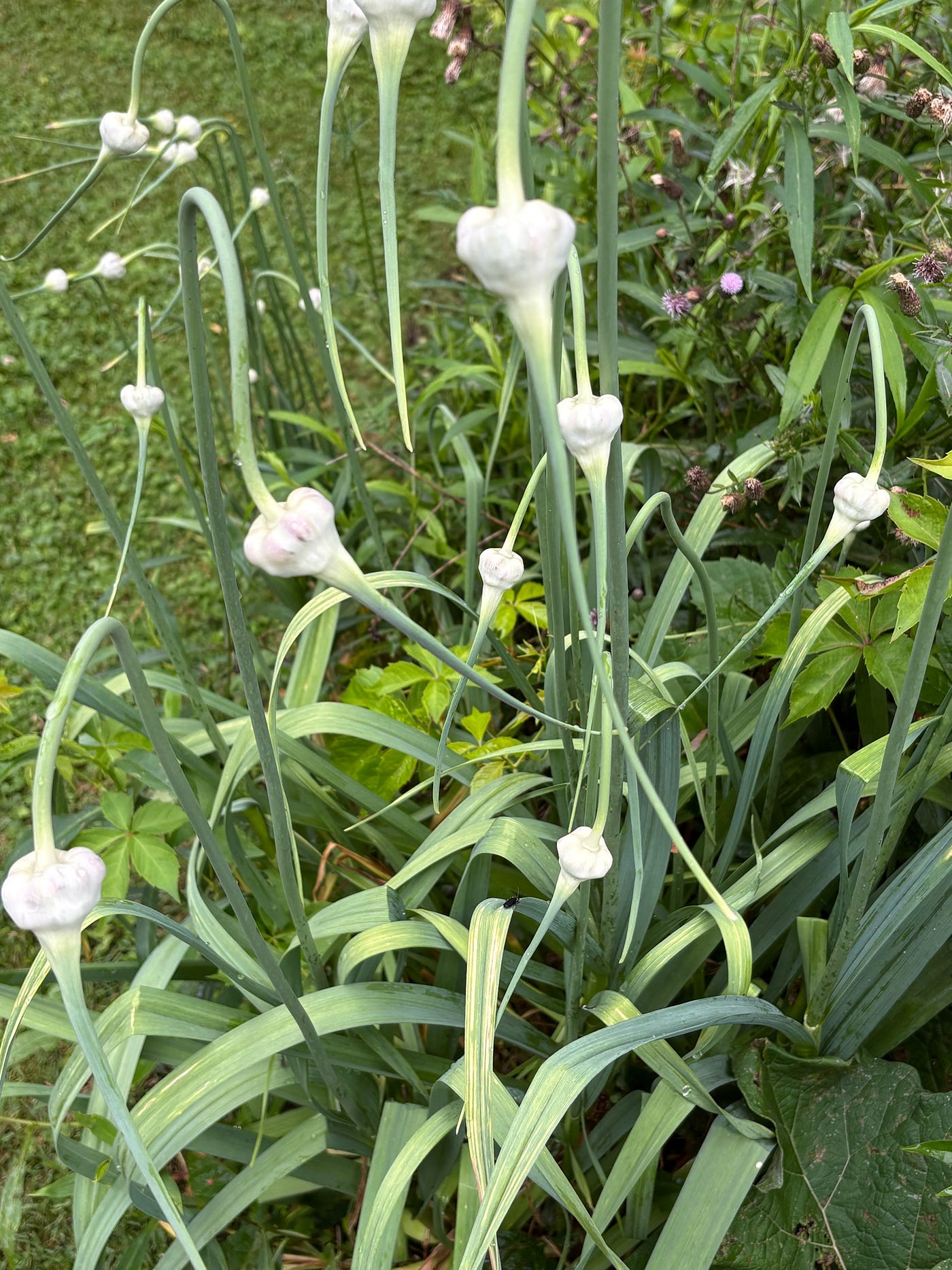
Jan Canty photo on unsplash
A productive garden starts with good planning, smart plant choices, and creativity with the materials you already have. Here are practical ideas to help you build a healthy and affordable home garden.
- Plan Your Garden Before Planting
Choose a location that:
Gets at least 6–8 hours of sunlight daily
Has easy access to water
Drains well after rain
Is protected from strong wind or animals
Sketch a simple layout:
Tall crops at the back (maize, climbing beans, tomatoes)
Medium crops in the middle (peppers, eggplants)
Small crops in front (lettuce, onions, herbs)
Group plants with similar water needs together.
- Best Crops for Small Home Gardens
Easy and productive crops include:
Tomato
Spinach
Onion
Carrot
Pepper
Beans
Lettuce
Cabbage
Herbs such as basil, coriander, mint, and parsley
For Rwanda’s climate, vegetables generally grow well during both rainy seasons if watering and drainage are managed properly.
- Practice Companion Planting
Some plants help each other grow:
Tomatoes + basil → helps repel pests
Beans + maize → beans improve soil nitrogen
Carrots + onions → reduce insect attacks
Avoid planting the same crop in the same spot every season to reduce disease buildup.
- Use Everyday Objects as Containers
You do not need expensive pots. Reuse household materials creatively.
Great container ideas:
Old buckets
Plastic bottles
Broken basins
Rice sacks
Cooking oil containers
Wooden crates
Old tires
Tin cans
Woven baskets lined with plastic
Important:
Make drainage holes at the bottom
Add small stones before soil for better drainage
Use rich compost mixed with soil
- Vertical Gardening for Small Spaces
If space is limited:
Hang bottles on walls
Stack tires
Use shelves or wooden frames
Grow climbing crops on sticks or wire
This works especially well for strawberries, herbs, beans, and leafy vegetables.
- Make Your Own Compost
Good compost improves soil naturally.
Use:
Dry leaves
Kitchen vegetable scraps Grass clippings
Animal manure
Ash in small amounts
Avoid:
Plastic
Meat waste
Diseased plants
Turn the compost regularly and keep it slightly moist.
- Water Smartly
Water early morning or evening
Mulch with dry grass to keep moisture
Use drip bottles with tiny holes for slow watering
Collect rainwater if possible
- Natural Pest Control
Instead of expensive chemicals:
Spray soapy water for soft insects
Use ash around plants to deter pests
Plant marigolds near vegetables
Remove infected leaves quickly
- Start Small and Expand
Begin with a few crops and containers. Learn what grows best in your area, then expand gradually into raised beds, fruit trees, or even greenhouse farming.
A well-planned garden can improve nutrition, reduce food costs, and even become a source of income.
Good farming is not about the size of the land — it’s about how well you manage it. Proper spacing, timely weeding, irrigation, and balanced fertilizer application are the foundation of a productive farm.
메타데이터
- post_id
- 61863dbee3ea
- slug
- tips-on-garden-planning-61863dbee3ea
- url
- https://medium.com/@ekwutosichinomso/tips-on-garden-planning-61863dbee3ea
- canonical_url
- https://medium.com/@ekwutosichinomso/tips-on-garden-planning-61863dbee3ea
- author_url
- https://medium.com/@ekwutosichinomso
- status
- ok
- fetched_at
- 2026-06-09 14:34:10