Kling AI Is Releasing Kling 3.0 Soon — and It Could Change How AI Video Is Made
Generative video is quietly entering a new phase — and Kling AI wants to be at the center of it.
Kling AI Is Releasing Kling 3.0 Soon — and It Could Change How AI Video Is Made
Generative video is quietly entering a new phase — and Kling AI wants to be at the center of it.
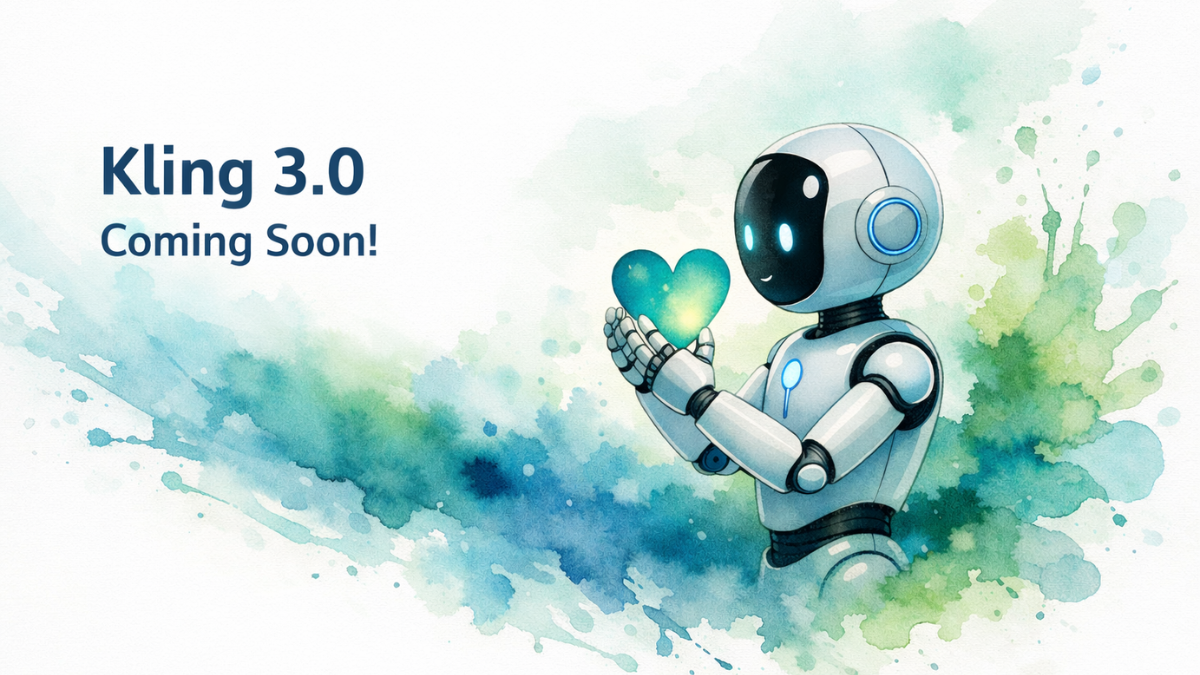
The company has begun rolling out early access to Kling 3.0, its next-generation video model, and the update points to something bigger than incremental improvements. This isn’t just about making AI videos look better. It’s about changing how they’re made.
For months, AI video tools have been dominated by short, eye-catching clips designed to impress on first watch. Kling 3.0 appears to move in a different direction — toward structure, continuity, and cinematic logic that resembles real production workflows.
At the core of the update is support for longer clips and multi-shot storytelling. Instead of generating a single visual moment, creators can begin thinking in scenes. Camera movement, transitions, and shot sequencing are increasingly handled as part of the model itself, rather than stitched together afterward.
Also Read.. Evolution AI Hub
Another notable shift: sound is no longer an afterthought. Kling 3.0 introduces native audio generation, including character voices, reducing the need for external tools and signaling a more complete creative pipeline. Combined with new methods for maintaining character consistency across shots, the model aims to solve some of the most persistent problems in AI video today.
What’s drawing industry attention isn’t just the feature list — it’s the intent behind it. Kling’s leadership has hinted at a future where video generation, audio, and broader “Omni” capabilities merge into a single, unified system. For professionals watching closely, that suggests a move away from experimental demos and toward scalable, repeatable production.
If that direction holds, the implications are significant. Content creators could prototype scenes faster. Media teams could compress timelines. And platforms may soon see an influx of AI-generated video that feels less artificial and more deliberately crafted.
Early access is currently limited, but a wider public release is expected soon. As competition in generative video intensifies, Kling 3.0 offers a clear signal: the race is no longer about who can generate the flashiest clip — it’s about who can support real storytelling.
👉 To explore what Kling 3.0 really changes, what experts are noticing, and what this means for the future of AI video, read the full analysis on our website.
Evolution AI Hub
메타데이터
- post_id
- 6225200c0a6f
- slug
- kling-ai-is-releasing-kling-3-0-soon-and-it-could-change-how-ai-video-is-made-6225200c0a6f
- url
- https://medium.com/@evolutionaihub/kling-ai-is-releasing-kling-3-0-soon-and-it-could-change-how-ai-video-is-made-6225200c0a6f
- canonical_url
- https://medium.com/@evolutionaihub/kling-ai-is-releasing-kling-3-0-soon-and-it-could-change-how-ai-video-is-made-6225200c0a6f
- author_url
- https://medium.com/@evolutionaihub
- status
- ok
- fetched_at
- 2026-06-09 15:37:30