Unveiling the Class Struggle in Pakistani Politics: A Personal Encounter
In the realm of social media, where political opinions clash and debates unfold, I, a proud supporter of the Pakistan Tehreek-e-Insaf (PTI)…
Unveiling the Class Struggle in Pakistani Politics: A Personal Encounter
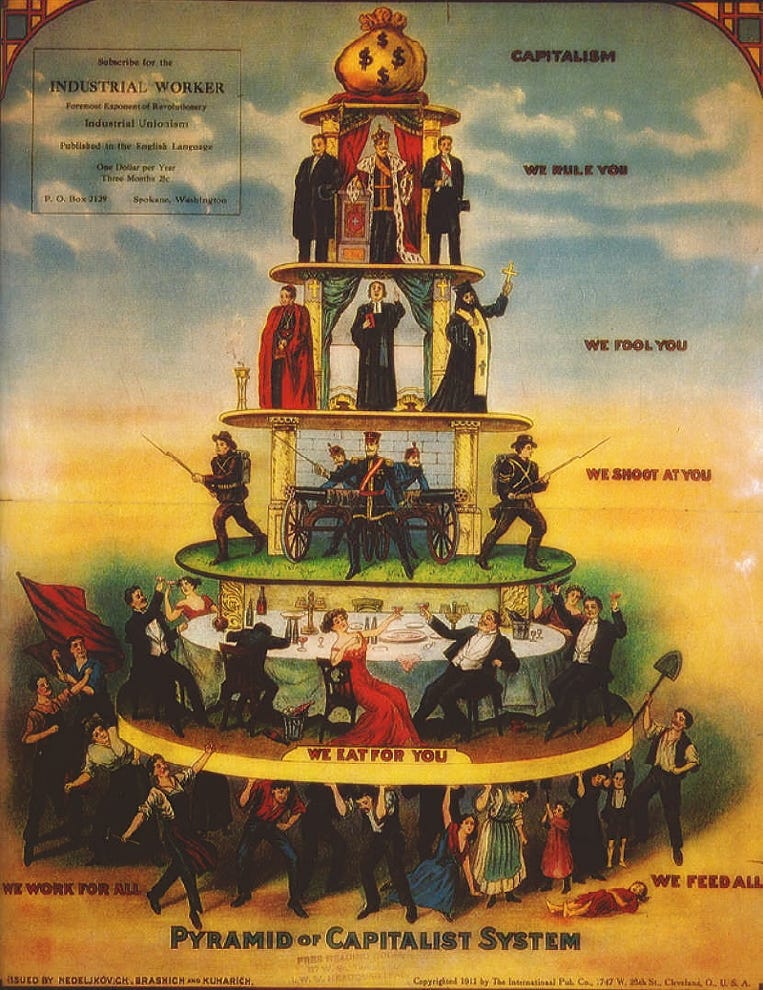
In the realm of social media, where political opinions clash and debates unfold, I, a proud supporter of the Pakistan Tehreek-e-Insaf (PTI) party, found myself embroiled in a heated Facebook argument. Little did I anticipate that this exchange would transcend mere political disagreement, evolving into a reflection of the deep-seated class struggles that persist in the fabric of Pakistani society.
The incident occurred when a comment I made in favor of PTI policies sparked a response from a woman whom I recognized as my former school teacher. What unfolded next was not just a political disagreement but a confrontation that delved into the complex dynamics of class, education, and political affiliations.
The teacher, a staunch supporter of the Pakistan Muslim League-Nawaz (PMLN) party, dismissed my political stance with a condescending tone. In a moment of blatant elitism, she referred to me as a “middle-class woman from Karachi” who, in her eyes, perceived herself as “too high and mighty” due to having pursued education and becoming a doctor.
This exchange underscored a stark divide — not just political but social and economic — that has persisted in Pakistani society for decades. On one side stood the PTI supporter, representative of the middle-class aspirations for change and reform. On the other side was the PMLN supporter, the wife of a landowner, embodying the traditional elite class that has long held sway in the country.
The derogatory remark about my education and profession exposed a mindset that seeks to belittle the achievements of those who have worked hard to attain education and success. It symbolized a reluctance to acknowledge the rising middle class and its aspirations for a more inclusive and equitable society.
Furthermore, the clash between PTI and PMLN supporters mirrors a broader political struggle in Pakistan, one that pits a populist movement against the entrenched elite. PTI, with its emphasis on anti-corruption and meritocracy, has garnered support from the middle class — a demographic that has historically felt excluded from the corridors of power.
Conversely, PMLN has often been associated with traditional political dynasties and landowners, representing a political establishment that some argue perpetuates inequality and favors the interests of the elite. The exchange on Facebook inadvertently brought these deep-rooted issues to the forefront.
As a PTI supporter and a woman who has worked hard to attain an education and professional success, I refuse to be reduced to mere stereotypes or dismissed based on my socio-economic background. My journey is a testament to the aspirations of countless individuals striving for a fair and just society.
In conclusion, what began as a routine political discussion on social media unraveled into a profound reflection of the class struggles within Pakistani politics. The encounter highlighted the need for respectful dialogue, acknowledging diverse perspectives, and, most importantly, recognizing the evolving socio-economic landscape that is shaping the future of the nation.
메타데이터
- post_id
- 62733e38b604
- slug
- unveiling-the-class-struggle-in-pakistani-politics-a-personal-encounter-62733e38b604
- url
- https://medium.com/@faryalkhanbaloch786/unveiling-the-class-struggle-in-pakistani-politics-a-personal-encounter-62733e38b604
- canonical_url
- https://medium.com/@faryalkhanbaloch786/unveiling-the-class-struggle-in-pakistani-politics-a-personal-encounter-62733e38b604
- author_url
- https://medium.com/@faryalkhanbaloch786
- status
- ok
- fetched_at
- 2026-06-25 07:00:49

