5 Reasons Your Emails Land in Spam (and How to Fix Each One)
Have you ever sent emails that looked perfect but still they landed in spam? Once an email goes to spam, it’s almost invisible. It’s a…
5 Reasons Your Emails Land in Spam (and How to Fix Each One)
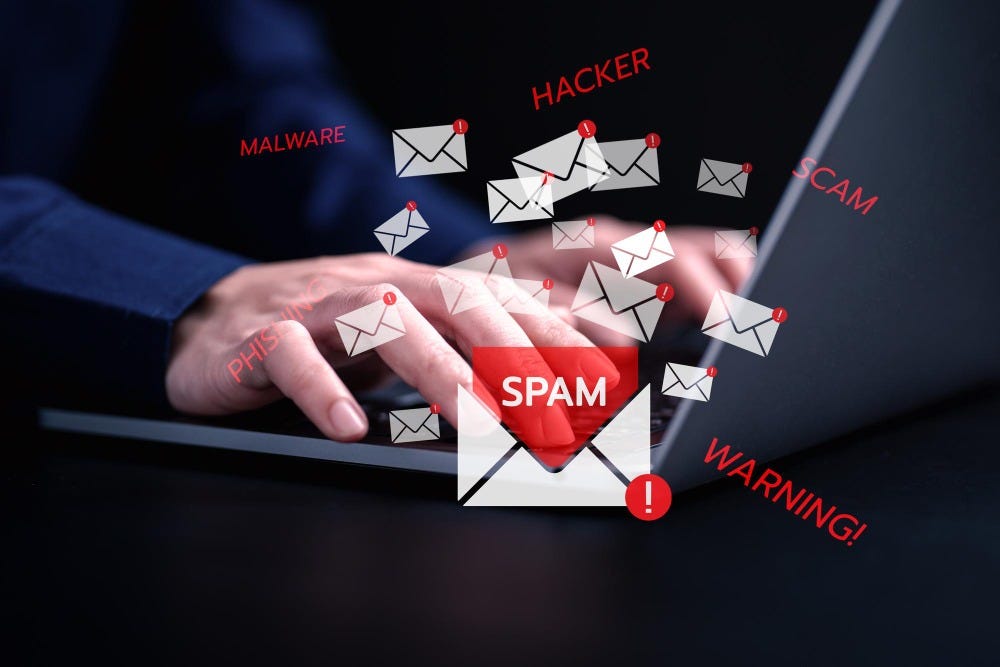
Have you ever sent emails that looked perfect but still they landed in spam? Once an email goes to spam, it’s almost invisible. It’s a common issue for marketers, businesses, and developers working on email campaign strategy.
Most of the time, it’s not random and happens due to issues like weak authentication, poor list quality, or content signals that confuse email providers and affect trust.
If you’re someone who’s thinking asking why are my emails going to spam, this guide will help you understand everything in detail.
In this blog post you’ll learn 5 common email spam problems and simple fixes to improve email deliverability and reduce emails marked as spam across your **email campaign**.
What do reports say about email spam problems?
Reports show that approx 45% of global emails are marked as spam, and and inbox providers filter billions of messages every day before they reach users.At the same time, around 1 in 5 legitimate marketing emails never reach the inbox, often due to authentication issues, weak sender reputation, or low engagement.
Studies suggest less than 5% of users regularly check their spam folder only for important things like OTPs or password resets.
Here are the 5 reasons why your emails are going to spam and how to fix them:
1. Missing email authentication
Why it happens: When your emails are not verified your email service providers will mark them as fake, suspicious or unsafe. When authentication like SPF, DKIM, and DMARC are not set up correctly, so inbox providers don’t trust your domain and emails will land in spam.
How to Fix: Set up SPF and DKIM properly and publish a DMARC policy. This is a one of the most important steps to solve **email deliverability** issues and stop emails going to spam.
2. Weak domain or IP reputation
Why it happens: If you’re using a new, shared, or previously abused domains/IPs, it can lower trust scores. Sometimes using a blacklisted IP address can also be blocked or flagged by spam filters.
How to Fix: Always use a dedicated sending domain and warm it up slowly. Avoid shared low-quality sending sources that increase email spam problems. You can also check your blacklist presence via IP blocklist checkers or domain blocklist checking tools and request if required.
3. Bad email lists and high bounce rates
Why it happens: Sending emails to invalid addresses means poor email list hygiene which often leads to high bounce rates and low engagement as well. If your email list is clean, you’re more likely to be flagged as spammer and it will affect your overall performance of email campaign.
How to Fix: Make sure you clean your email list regularly by removing unsubscibed, inactive and unenaged recipients to reduce the hard bounces. Verify emails before sending the mails to your subscribers, it wil improve your email deliverability over time.
4. Using spammy words in content
Why it happens: Email services provides like Gmail, Yahoo, Microsoft Outlook etc check each email using spam filters. These filter detect the specific words or terms used by spammers in body or subject line and direct mark the email as spam.
How to Fix: Avoid using overly promotional language, excessive punctuation, emojis or too many links that seems suscpicious. Keep your email copy natural and valueable. This reduces chances of emails marked as spam in your email campaign.
5. No unsubscribe option
Why it happens: Email that have missing unsubscription links have higher chance of going to spam folder. Lack of easy opt-out increases complaints and also damages sender reputation because visible unsubscribe option are required in marketing emails to stop getting emails whenever they want.
How to Fix: Always add a clear, visible link for unsubscribe at the bottom of each email. Make the process simple for users so that they can unsubscribe with one click.
Final Thoughts
If you’re thinking how to stop emails going to spam, you can simply follow the mentioned 5 tips and solution for your email marketing strategy. Most cases of emails marked as spam can be fixed with technical or content changes.
When you identify those common email spam problems and the key reasons behind poor email deliverability, high bounce rates and other email marketing challenges, your email marketing strategy becomes more stable. This will help your email reach subscriber’s inboxes more consistently with fewer emails going to spam.
If you’re looking for an email marketing tool with pre-warmed IPs, automation, and high deliverability consider trying Truesend. It supports both transactional and bulk email via a fast API, provides real‑time delivery and engagement analytics.
TrueSend also offers deliverability tools like inbox testing, automation, and dashboards so you can monitor bounces, spam complaints, and campaign performance in one place which is ideal for marketers who need high deliverability and easy troubleshooting.
메타데이터
- post_id
- 62a66966c8bb
- slug
- 5-reasons-your-emails-land-in-spam-and-how-to-fix-each-one-62a66966c8bb
- url
- https://medium.com/@truesend92/5-reasons-your-emails-land-in-spam-and-how-to-fix-each-one-62a66966c8bb
- canonical_url
- https://medium.com/@truesend92/5-reasons-your-emails-land-in-spam-and-how-to-fix-each-one-62a66966c8bb
- author_url
- https://medium.com/@truesend92
- status
- ok
- fetched_at
- 2026-06-09 15:37:30