Litha: The Day That Refuses to End
The Summer Solstice, the longest day of the year, and the strange beauty of too much light
Litha: The Day That Refuses to End
The Summer Solstice, the longest day of the year, and the strange beauty of too much light
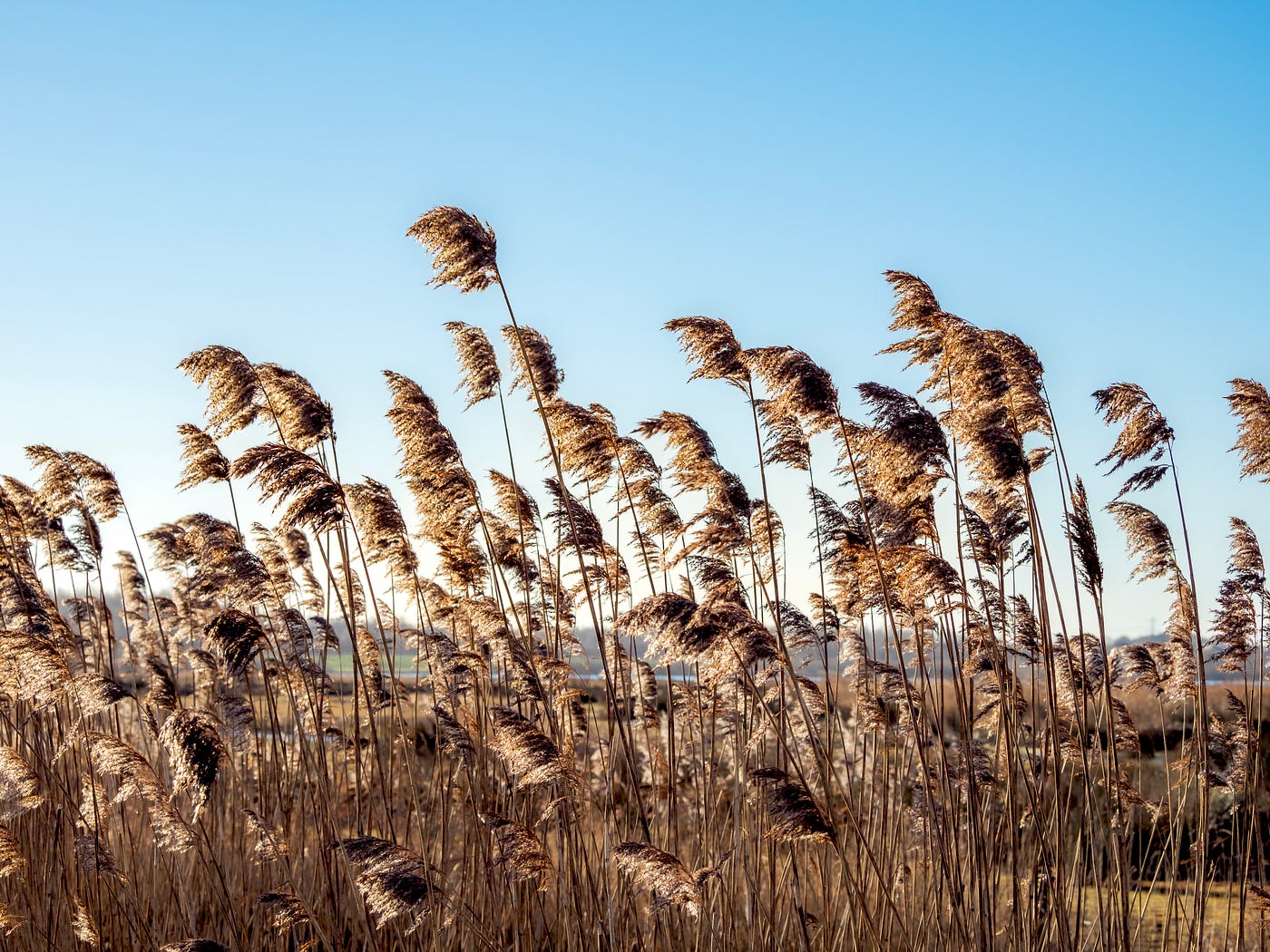
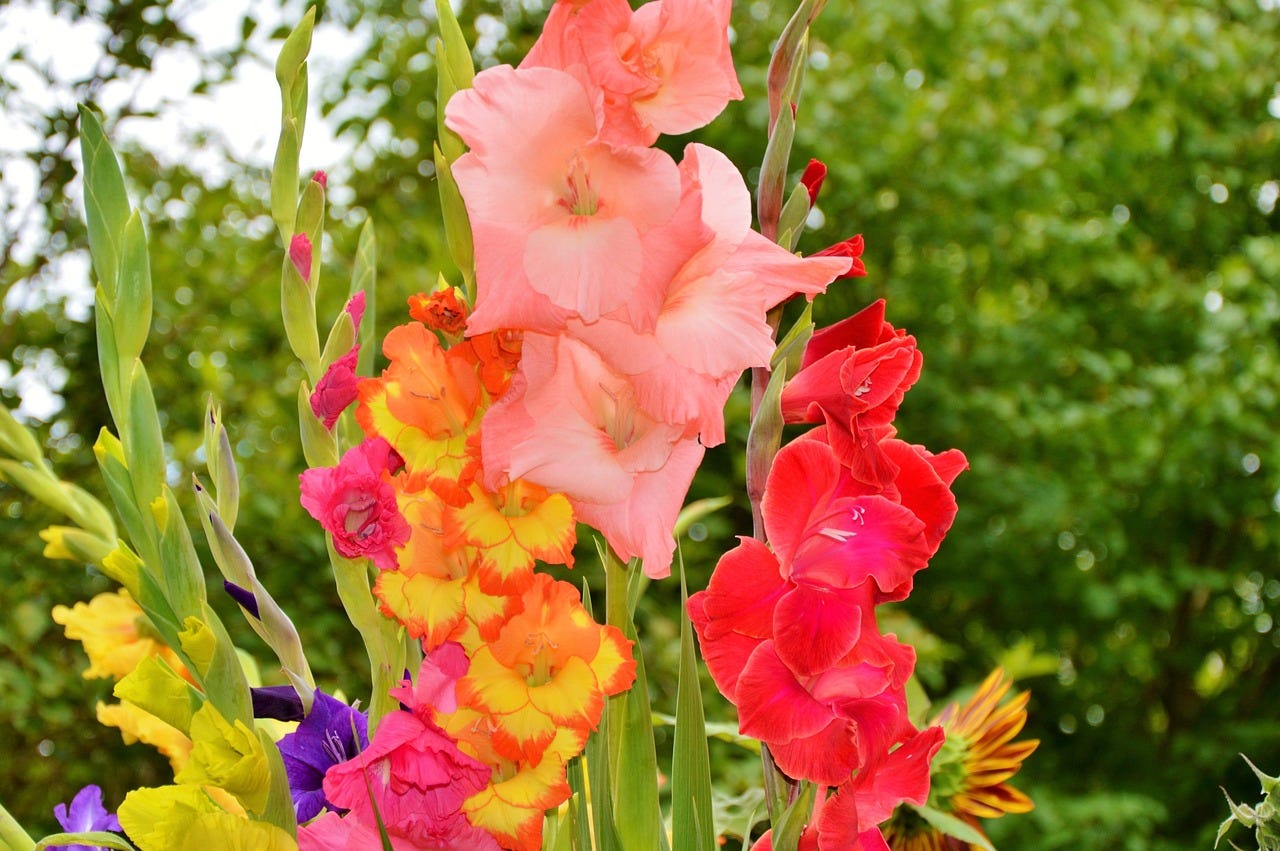
Photo by Ankit Sood on Unsplash
There is one day in the year when the light seems to forget it is supposed to leave. The sky stays fully bright at nine in the evening. The ceiling of your bedroom is lit up in a way that makes sleep feel like a personal choice the day has decided not to support. Your curtains, which have been perfectly adequate for eleven months, are suddenly revealed as optimists.
This is the Summer Solstice. In 2026 it falls on 21 June. Astronomically, it is the moment when the Sun reaches its highest point in the sky above the Northern Hemisphere and the day reaches its greatest length. The word solstice comes from the Latin sol (sun) and sistere (to stand still). The year climbs and climbs and then, at the very top, holds still for just a moment before it begins, without any announcement, to come back down.
It is the longest day. It is also, though this tends not to make the celebration posters, the day the year starts turning back toward winter.
Litha and the Wheel of the Year
Litha is the modern pagan name most commonly used for the Summer Solstice, particularly within the Wheel of the Year, an eight-point calendar of seasonal festivals marking solstices, equinoxes, and the cross-quarter days between them.
The name Litha is modern, whereas the solstice isn’t. People were watching the midsummer sky, marking the date, building things aligned to the sunrise, and doing considerable amounts with fire long before anyone designed a wheel, seasonal or otherwise. The Sun itself is indifferent to naming conventions. It just keeps doing what it does, every year, whether we call it Litha or Midsummer or simply June being too much again.
The Height of the Growing Year
The solstice is solar, yes. But the reason it mattered to ordinary people for most of human history wasn’t only the sky. It was everything happening at ground level at exactly the same time.
By late June, the land is at its fullest. Not harvest yet. That comes later, and it comes with its own particular anxiety. This is the moment before that. The crops are up. The hay meadows are thick. The hedgerows have got so overgrown they’ve started making decisions about the path width without consulting anyone. Gardens are producing more than anyone can keep up with. Bees are extremely busy and definitely not interested in your schedule. The air in the evening smells of warm grass, dry earth, and someone’s citronella candle doing its best.
The air feels abundant, but not settled. Everything is still building up. There’s a particular quality to midsummer evenings that people who grew up around farmland or countryside tend to recognise: that feeling of the land being completely, almost exhaustingly alive. The insects. The birds still going at nine in the evening. The light catching the tops of things.
Maybe people born around this time of year pick up a little of it. I can’t help noticing they often carry an unusual brightness. That refusal to wind down before everyone else is ready. Make of that what you will.
Stonehenge and the Solstice Sunrise
Every year, tens of thousands of people make their way to Stonehenge in the dark to watch the sun rise over the Heel Stone at midsummer dawn.
Think about that for a moment! Tens of thousands of people. Setting alarms they did not enjoy. Driving or getting coaches through the night. Arriving in a field in Wiltshire in the small hours, in varying states of preparation, to stand with strangers and wait for a sunrise!? Druids in white robes next to students who have come more for the occasion than the theology. Tourists who have flown in from other countries. People who do this every year and people who have always meant to. Someone with a professional camera, someone holding a phone at an angle that won’t produce a useful photo, and someone, always, with a thermos.
It is chaotic and a little cold and crowded and, by almost every account, genuinely moving.
Stonehenge is aligned so that the midsummer sunrise falls directly along its central axis, which is not a coincidence. Beyond that, we should be careful, because the honest answer is that we don’t know exactly what Stonehenge was for. We know it was important. We know the effort required to build it was staggering. And we know that thousands of years later, people are still turning up in the dark to watch the sun come up over the same stones. People still show up for moments like that. Even now.
Fire, Flowers, and Midsummer Custom
Midsummer has always had its rituals. Bonfires lit on hilltops. Herbs gathered at what was believed to be the peak of their potency. Flowers worn in hair or hung above doorways for luck and protection. Staying out later than was sensible, because the night was short and the fire was warm and it felt important to mark the occasion somehow.
Some customs were protective, some celebratory, and some probably both. A fire on a hill is warmth, light, spectacle, community, and a warning to whatever might be lurking at the edge of the season. Efficient, really. Flowers over a doorway are pretty, but they also say: this house has noticed the turning.
Many of these traditions cluster more densely around St John’s Eve on 23 June, which has its own rich folklore around fire, midsummer herbs, and the uncanny atmosphere of the shortest night. When the year is doing this much, you don’t stay inside.
And Then the Year Starts Leaning Back
The longest day and the turning point are not two separate things. They are actually the same moment.
On the morning of 22 June, nothing will look different. The pavements will be warm. The weeds in the cracks will be exactly as overconfident as they were the day before. The light through the window will feel more or less the same. But the year has already changed direction. A little less light each day from here. Gradual at first, almost rude in how quietly it happens.
A day like this only matters because it doesn’t last. If the light stayed like this forever, we would stop noticing it. We’d just complain about the curtains and get on with things. That is probably what gives the solstice its weight. It’s not just the day when everything reaches its fullest. It is the day fullness begins to move on.
A Few Words at the End
Go outside on the evening of 21 June, if you can. Stay out longer than you planned. Notice the light still doing its thing at a time when the light has no business still doing its thing.
And somewhere in the middle of that long, unreasonable, beautiful evening, notice that the year is already on its way back. That is what the solstice is. The moment when everything the year has built arrives at once, and the turning is already underway. The curtains will cope eventually.
I write about folklore, seasons, and the strange persistence of old images. If you found this useful or interesting, you’re welcome to share it.
[embed]The Green Man The Face of the Wild Returningmedium.com
메타데이터
- post_id
- 634140bdacca
- slug
- litha-the-day-that-refuses-to-end-634140bdacca
- url
- https://medium.com/irisseraphim/litha-the-day-that-refuses-to-end-634140bdacca
- canonical_url
- https://medium.com/irisseraphim/litha-the-day-that-refuses-to-end-634140bdacca
- author_url
- https://medium.com/@irisseraphim
- status
- ok
- fetched_at
- 2026-06-23 03:48:11