How Much of Me is Still In Play?
The work that remains unnamed: choosing motion over drift
How Much of Me is Still In Play?
The work that remains unnamed: choosing motion over drift
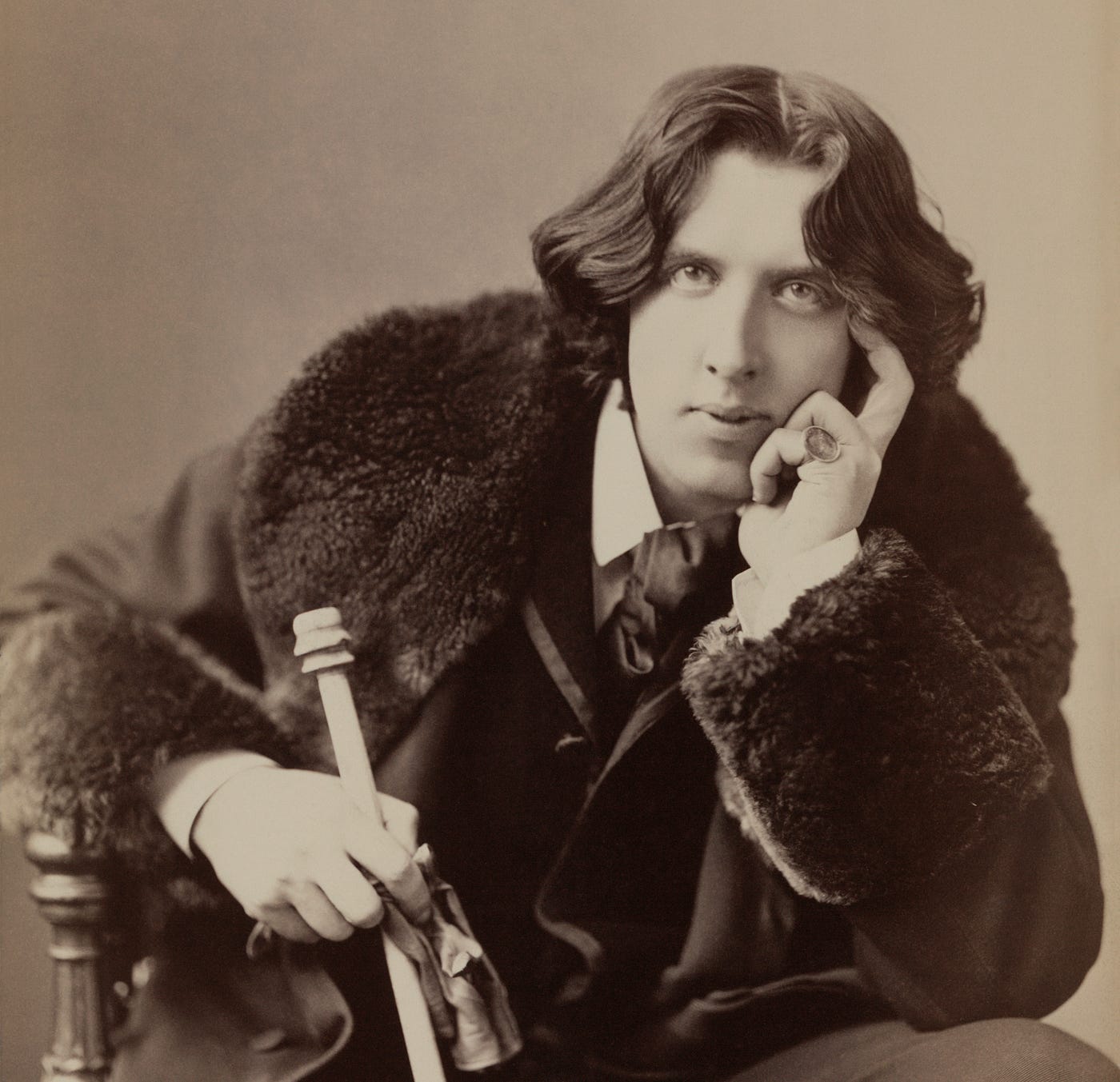
Photo by Nurzhan Amanov on Unsplash
There is a time when the world begins to lower its expectations of you as an adult, and you begin to wonder about your own capacities.
There is no announcement made. No bell is rung. It shows up instead as comments like “You might take it easy” or suggestions that you consider training your replacement.
Pasture or More Thriving
The gentle redirection away from effort toward comfort, the assumption that your most meaningful contributions are now behind you. It is the cultural version of “being put out to pasture.”
I never had anyone say that to me. But when the AARP started mailing me notifications, I knew my time was nearly up.
And yet in my interior space, another voice continued to stir. Less accommodating. Less interested in narratives of completion. It asks, almost irritably: Is that really all?
There is a tension between these two forces: external diminishment and internal resistance.
Do you accept the narrowing of your sphere, or do you quietly, even stubbornly, continue to widen it? Do you throw in the towel or find something new and exciting to undertake?
The difficulty is that “doing more” no longer has the same shape it once did. Earlier in life, more was measurable in terms of career advancement, accumulation, or more visible productivity.
More in Small Ways
Now, in the remaining years, the metrics are subtler. Here at the senior community, more might mean initiating one additional conversation at the dinner table instead of retreating into the familiar silence.
It might mean reading one more difficult book rather than drifting through the agreeable lapse of one more sporting event on TV. It might mean raising a hand, offering a thought, risking the mild embarrassment of not being fully formed.
In this sense, the pasture is not a place but a posture. It is the gradual outsourcing of one’s agency to circumstance (or these days, to Al). There may be a quiet agreement to let the environment set the ceiling of your engagement.
The question becomes less dramatic, but more precise: Where am I conceding unnecessarily?
Because there are, of course, real limitations. Energy is not what it was. The body negotiates differently now. The walkers parked along the wall in the dining area are reminders of diminished capacity.
Remaining Prospects
Time, once expansive, has taken on edges. But limitation is not the same as surrender. The former asks for adaptation; the latter asks for abdication.
There is a kind of respectable disengagement that appears to be maturity. “I’ve done enough,” one might say — and sometimes that is true. But sometimes it is a cover story, a way of avoiding the small frictions that come with continued growth. Growth, after all, has never been particularly comfortable, at any age.
So how does one decide?
Here is the distinction. On one side we have:
A, The Non-Developmental Path
· “The story is over.”
· “My job now is to endure, not to create.”
· “Change is dangerous; stability is safety.”
This stance is often protective. It reduces stress, emotional risk, and the threat of failure. It is a retreat into identity conservation.
B. The Developmental Stance
These elders believe:
· “The story is still unfolding.”
· “I can still become someone.”
· “Losses require new forms of selfhood.”
This stance is generative. It accepts vulnerability as the price of diminished vitality. It is identity expansion rather than conservation
I am interested in knowing which psychological traits tend to encourage the choice to expand identity.
It turns out that several psychological traits consistently predict which elders continue to expand their identities rather than contract them.
Traits the Encourage Thriving
These are openness to experience, sense of purpose, self‑efficacy, and sociability. These traits appear repeatedly in empirical studies as buffers against decline and as engines of continued self‑authorship.
I find it very encouraging that some elders continue to expand when contraction is expected. Not in a performative way, not to prove anything to anyone, but as a kind of private allegiance to one’s own unfinishedness.
The pasture, then, is always available. It is easy to enter, easy to justify, and once inside, easy to remain.
But so is the alternative; it is less visible, less endorsed, but still accessible: the quiet decision to keep going. Not recklessly, not exhaustively, but deliberately. To do a little more than is expected. To remain in motion, even if the pace has changed.
And perhaps, in the end, that is the real measure; it is not how much you do, but whether you have within yourself agreed to keep going even when obstacles are mounting.
메타데이터
- post_id
- 63826e4008a2
- slug
- how-much-of-me-is-still-in-play-63826e4008a2
- url
- https://medium.com/illumination/how-much-of-me-is-still-in-play-63826e4008a2
- canonical_url
- https://medium.com/illumination/how-much-of-me-is-still-in-play-63826e4008a2
- author_url
- https://medium.com/@sanfmark
- status
- ok
- fetched_at
- 2026-07-14 22:12:21